-400x299.png&w=1080&q=75&dpl=dpl_Hi6ZKV3Miso167J9igyQX1ihqdht)
What R-Value Do Phoenix Homes Need to Maximize Energy Efficiency?
Key Takeaways
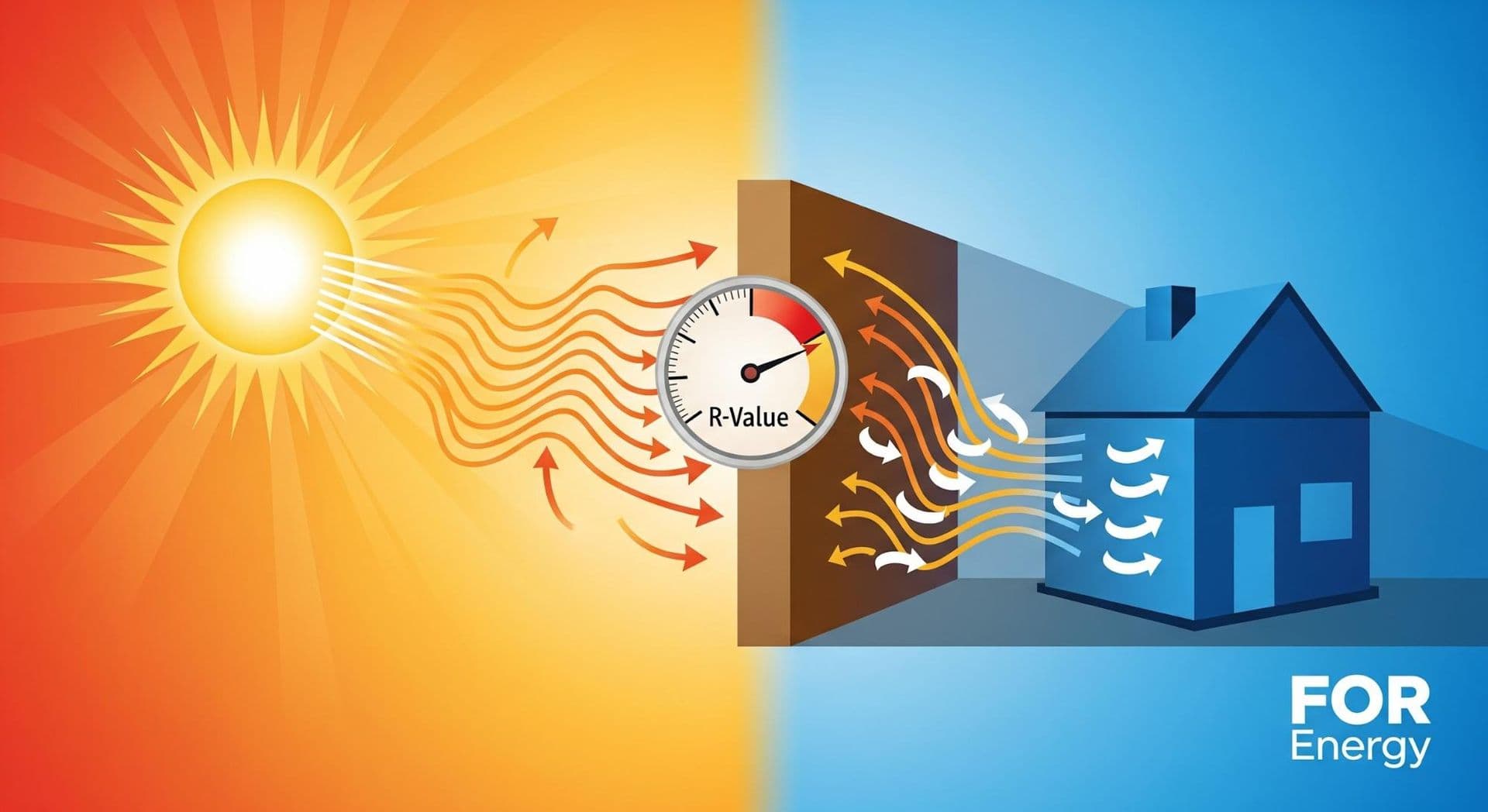
R-value measures thermal resistance; higher R-values mean better insulation against Phoenix heat.
Phoenix's extreme climate requires specific, higher R-values, especially for attic insulation.
Optimal insulation levels go beyond minimum code requirements for true comfort and energy savings.
A professional home energy checkup identifies specific R-value upgrade needs for maximum efficiency.
Upgrading R-value can significantly reduce cooling costs and improve indoor comfort in desert homes.
Understanding R-Value: More Than Just a Number
When discussing home performance and energy efficiency, the term "R-value" comes up frequently. But what does it actually mean for your comfort and your utility bills? Simply put, R-value is a measurement of thermal resistance. The "R" stands for resistance to heat flow. The higher the R-value, the greater the insulating power of a material, and the better it is at preventing heat from moving through it.
Understanding this concept is the first step toward creating a more comfortable and energy-efficient home. It’s not just about having insulation; it’s about having the right amount of insulation with the correct R-value for your specific climate. In a place like the Phoenix metro area, where summer heat is a formidable opponent, a high R-value isn't just a recommendation—it's a necessity for keeping your home cool and your cooling costs under control. It directly impacts your home's ability to maintain a stable indoor temperature, reducing the strain on your HVAC system.
Phoenix Climate Zone: Unique Insulation Challenges
Phoenix is located in the U.S. Department of Energy Climate Zone 2, a hot-dry region that presents unique challenges for home energy performance. Unlike colder climates, where the primary goal is to prevent heat loss during winter, here the main battle is against relentless heat gain for most of the year. The intense solar radiation beats down on our roofs and walls, constantly trying to force its way inside.
This is why generic, one-size-fits-all insulation advice often falls short for Arizona homeowners. The strategies that work in milder climates are simply not enough to combat the extreme temperatures we face. The biggest energy hog in most Phoenix homes is the air conditioner, and its workload is directly tied to how effectively your home’s thermal envelope can resist heat gain. Knowing where homes lose most energy reveals that the attic is the primary battlefield. Without adequate thermal insulation, your home is fighting a losing battle against the sun, leading to uncomfortable indoor spaces and sky-high electricity bills.
Recommended R-Values for Phoenix Homes
To truly maximize energy efficiency, Phoenix homes require specific R-values that are often higher than what you might find in older homes or even some new constructions built only to the minimum code. Here’s a breakdown of the optimal R-value recommendations for different areas of your home.
Attic Insulation: Your First Line of Defense Against Desert Heat
The attic is, without a doubt, the most critical area to insulate in a desert climate. It acts as a buffer zone between the sun-baked roof and your living space below. To effectively stop that intense heat from radiating down into your home, we recommend an attic insulation level between R-38 and R-60+. This high R-value creates a powerful thermal barrier, significantly reducing heat gain. Investing in high-quality attic insulation in Phoenix is one of the most impactful energy-efficient home upgrades you can make, directly translating to a lighter load on your AC and more consistent indoor temperatures. While the R-value is key, the insulation material also plays a role, which you can learn more about in our guide to cellulose vs. fiberglass attic insulation in Arizona.
Wall Insulation: Keeping the Heat Out Where It Belongs
While the attic is the top priority, walls are the next largest surface area exposed to outdoor heat. For wall insulation, an R-value of R-13 to R-19 is generally recommended. However, retrofitting walls in an existing home can be more complex than an attic upgrade. Solutions like dense-pack insulation can be installed without major demolition, adding significant thermal resistance to your home's exterior envelope. For new construction or major renovations, installing rigid foam sheathing on the exterior can further boost the wall assembly's total R-value, creating a continuous barrier against heat.
Floor & Crawl Space Insulation: Don't Overlook the Foundation
For homes with a raised foundation and a crawl space, floor insulation is another important component of a whole-home energy strategy. Heat can be absorbed from the ground and transferred up into your living area. Insulating the floor to an R-value of R-19 to R-30 helps stabilize the temperature of your floors, contributing to overall comfort and preventing your HVAC system from working harder than it needs to. This ensures that every part of your home's envelope is protected, creating a truly efficient and comfortable environment.
Beyond Code: Achieving Optimal Home Performance
It's crucial to understand the difference between building codes and optimal performance. Minimum building codes are just that—the absolute minimum required for a home to be legally habitable. They are not a benchmark for energy efficiency, comfort, or long-term savings. A home built "to code" may still be an energy guzzler in the Phoenix heat.
At FOR Energy, our philosophy is rooted in the "whole-home" approach guided by Energy Star standards, which far exceed minimum codes. We believe in providing solutions over sales. As we explain in our About FOR Energy mission, our goal is to identify the root causes of energy waste and discomfort. This means looking at how all the systems in your home—insulation, ductwork, and air sealing—work together. Achieving an optimal R-value is a cornerstone of this approach, ensuring your home performs at its peak, saving you money and keeping your family comfortable year-round.
The Tangible Benefits of Upgrading Your Home's R-Value
Investing in the right R-value for your home isn't just a technical upgrade; it delivers real, tangible benefits that you'll feel every day. The most immediate impact is on your wallet through a significantly reduced electricity bill, as your air conditioner won't have to run as long or as hard to maintain your desired temperature.
Beyond savings, you'll experience a dramatic improvement in indoor comfort. Proper insulation eliminates hot and cold spots, creating a more consistent and pleasant environment in every room. This also reduces the wear and tear on your HVAC system, potentially extending its lifespan and saving you from costly repairs. Furthermore, when combined with professional air sealing services, a well-insulated home helps improve indoor air quality by preventing dust, pollen, and other outdoor pollutants from entering. Following these tips for a more energy-efficient home starts with a strong thermal barrier.
Is Your Phoenix Home Under-Insulated? Identifying the Signs
Many Phoenix homes, especially those built before modern energy standards were adopted, are significantly under-insulated. You might be losing money and comfort without even realizing it. So, how to tell if attic insulation needs replaced or upgraded? Here are some common signs that your home's R-value is too low:
High Energy Bills: Your cooling costs seem excessively high, especially during the summer months.
Inconsistent Temperatures: Some rooms feel like an oven, while others are comfortable.
HVAC System Runs Constantly: Your air conditioner seems to never shut off, struggling to keep up.
Hot Ceilings or Walls: The interior surfaces of walls or ceilings feel warm to the touch on a hot day.
Excessive Dust: Poor insulation is often linked to air leaks, which can pull in dust from the attic or outdoors.
If you recognize any of these symptoms, there's a strong chance that insufficient insulation is the culprit. An expert assessment is the best way to know for sure.
Take the Next Step Towards a More Efficient Home
Understanding what R-value is needed to maximize energy efficiency is the first step, but putting that knowledge into action is what truly transforms your home. While the recommendations provided here are a great starting point, every home is unique. The most effective way to determine your exact needs is with a professional evaluation. Our comprehensive home insulation services are designed to address these specific challenges. A thorough assessment will pinpoint areas of weakness and provide a clear roadmap for achieving optimal performance, comfort, and savings.
Ready to Transform Your Home's Energy Efficiency?
Don't let the Phoenix heat drain your wallet and comfort. Discover the true potential of your home's insulation and pinpoint precise R-value needs with our complimentary 21-Point Home Energy Checkup. Schedule your free assessment today!
FAQs
What R-value is recommended for attics in the Phoenix climate zone?
Answer: For optimal energy efficiency and comfort in Phoenix's extreme heat, we typically recommend an R-value between R-38 and R-60+ for attic insulation. This significantly combats heat gain during long summers and helps maintain consistent indoor temperatures.
How can I tell if my Phoenix home's existing insulation needs an R-value upgrade?
Answer: Common signs of inadequate insulation in Phoenix include uneven temperatures between rooms, noticeably hot ceilings or walls, an HVAC system running constantly, and persistently high cooling bills. A professional 21-Point Home Energy Checkup can accurately assess your current R-values and identify specific deficiencies.
Is a higher R-value always better for insulation, or is there a point of diminishing returns?
Answer: While a higher R-value generally indicates greater thermal resistance, there is a point of diminishing returns where the cost of further R-value increase outweighs the energy savings. The goal is to achieve an optimal R-value that maximizes efficiency for your specific climate without unnecessary over-investment, often best determined through a comprehensive energy audit.
Does improving my home's R-value also help with indoor air quality in Phoenix?
Answer: Indirectly, yes. While R-value directly addresses heat transfer, effective insulation often goes hand-in-hand with air sealing. When combined, these measures reduce drafts and prevent outdoor pollutants, dust, and allergens from entering your home, contributing to improved indoor air quality.
Why is attic insulation so crucial for Phoenix homes specifically?
Answer: In Phoenix, the sun beats down on roofs for much of the year, leading to significant heat transfer into the attic and then into the living space below. High R-value attic insulation creates a powerful barrier against this intense solar heat gain, drastically reducing the workload on your air conditioning system and lowering cooling costs.
Schedule Your
Free Home Energy Check Up!
Recent Posts
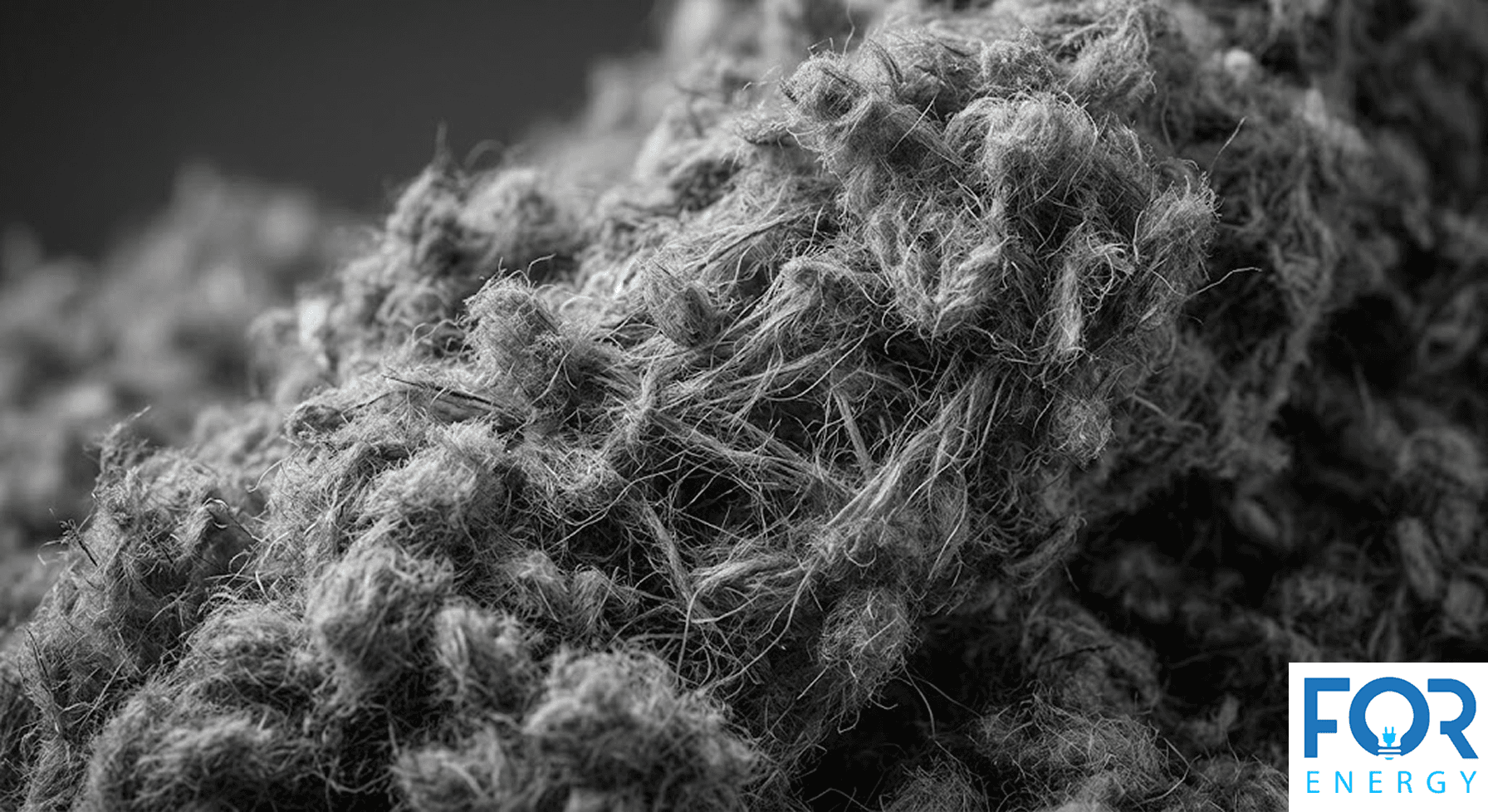
Superior Heat Resistance: Cellulose insulation has a high density and R-value, creating an exceptional thermal barrier that effectively blocks the intense radiant heat common in Phoenix.
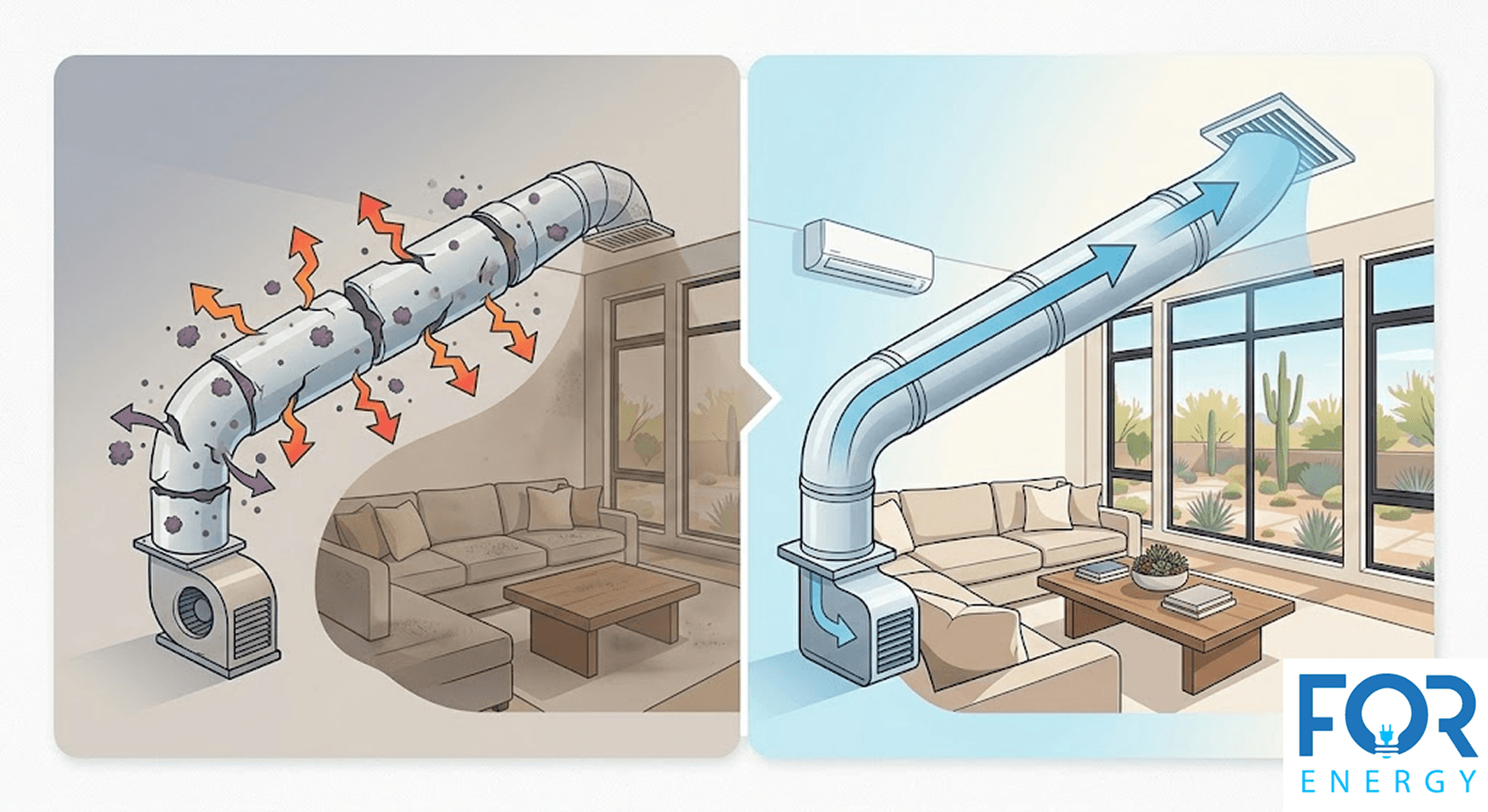
Leaky ducts can account for up to 30% of your home's conditioned air loss, leading to higher energy bills and an overworked HVAC system.
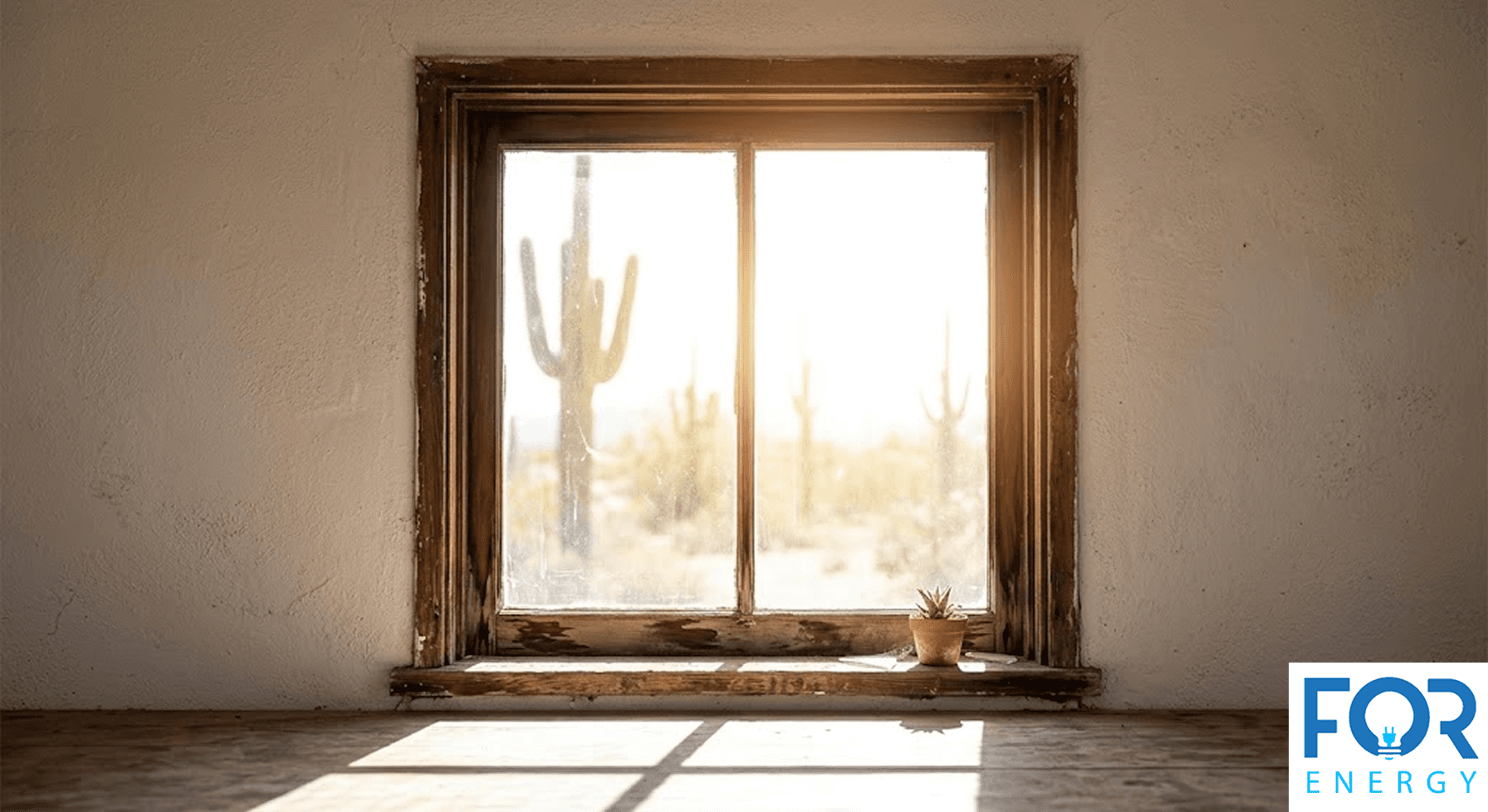
Phoenix Climate Demands Specific Solutions: Standard windows are not built for Arizona's extreme heat. Energy-efficient windows designed for our climate are one of the most effective investments you can make to lower energy bills and improve home comfort.
Featured Customer Review
The whole process with FOR Energy, a local Arizona company, has been a positive experience! Jen was knowledgeable about the pressure check and attic seal, which was the first process, and Tyler performed the check very quickly one evening, which was best for my schedule. I really enjoyed working with Eric on my contract. He was very honest and helped me pick the perfect system for our home. The best part was working with Spencer and Dylan as part of my project management team. They were very informative and responsive to my questions. They helped communicate with the city during the permitting process and kept me up to date with appointments and visits from Titan Solar, APS, and the City of Phoenix muni. I highly recommend FOR Energy! Skip the others, and stay local for your solar needs.
Schedule Your Free Home Energy Checkup With One of Our Experts
We've helped thousands of families get the best value for their money in the past 12 years
Where We Work

Mon-Thu: 8:30 AM- 7:30 PM
Fri: 8:30 AM–5:30 PM
Sat: 9:00 AM–5:30 PM
Sun: Closed