-400x299.png&w=1080&q=75&dpl=dpl_73Rd1Z1oC3NjwfsZ3zJbj3MZgbjF)
Signs Your Air Ducts Are Leaking Energy in Phoenix Homes
Key Takeaways
Leaky air ducts in Phoenix homes can lead to significant energy loss, uneven cooling, and increased utility bills, particularly due to the extreme attic temperatures.
Common indicators of duct leaks include hot and cold spots, weak airflow from vents, excessive dust, and an HVAC system that runs longer than usual.
Phoenix's harsh climate and attic-located ductwork make homes especially vulnerable to duct leakage, which allows conditioned air to escape into unconditioned spaces.
Professional solutions like AeroSeal duct sealing can effectively address hidden leaks, improve indoor air quality, enhance comfort, and substantially reduce energy waste.
Scheduling a free home energy checkup with FOR Energy helps homeowners identify root causes of energy loss and provides tailored, science-backed solutions.
Why Duct Leakage Is Common in Phoenix Homes
Air ducts are the circulatory system for your home's comfort, but this crucial network can develop problems over time. In Phoenix, several factors contribute to duct leakage in both new and older homes. Aging ductwork is a primary culprit; over the years, the materials can degrade, and the seals at joints and connections can crack and fail. Poor initial installation is another common issue, where seams are not properly connected or sealed, creating built-in inefficiencies from day one.
The extreme temperature fluctuations in the desert climate also play a significant role. The constant expansion and contraction of duct materials can weaken connections and break down sealants like tape and mastic. Furthermore, pests can cause physical damage by chewing through flexible duct lines. These vulnerabilities mean that even a relatively new HVAC system could be losing a significant amount of the conditioned air you’re paying for.
How Leaky Ducts Increase Cooling Costs
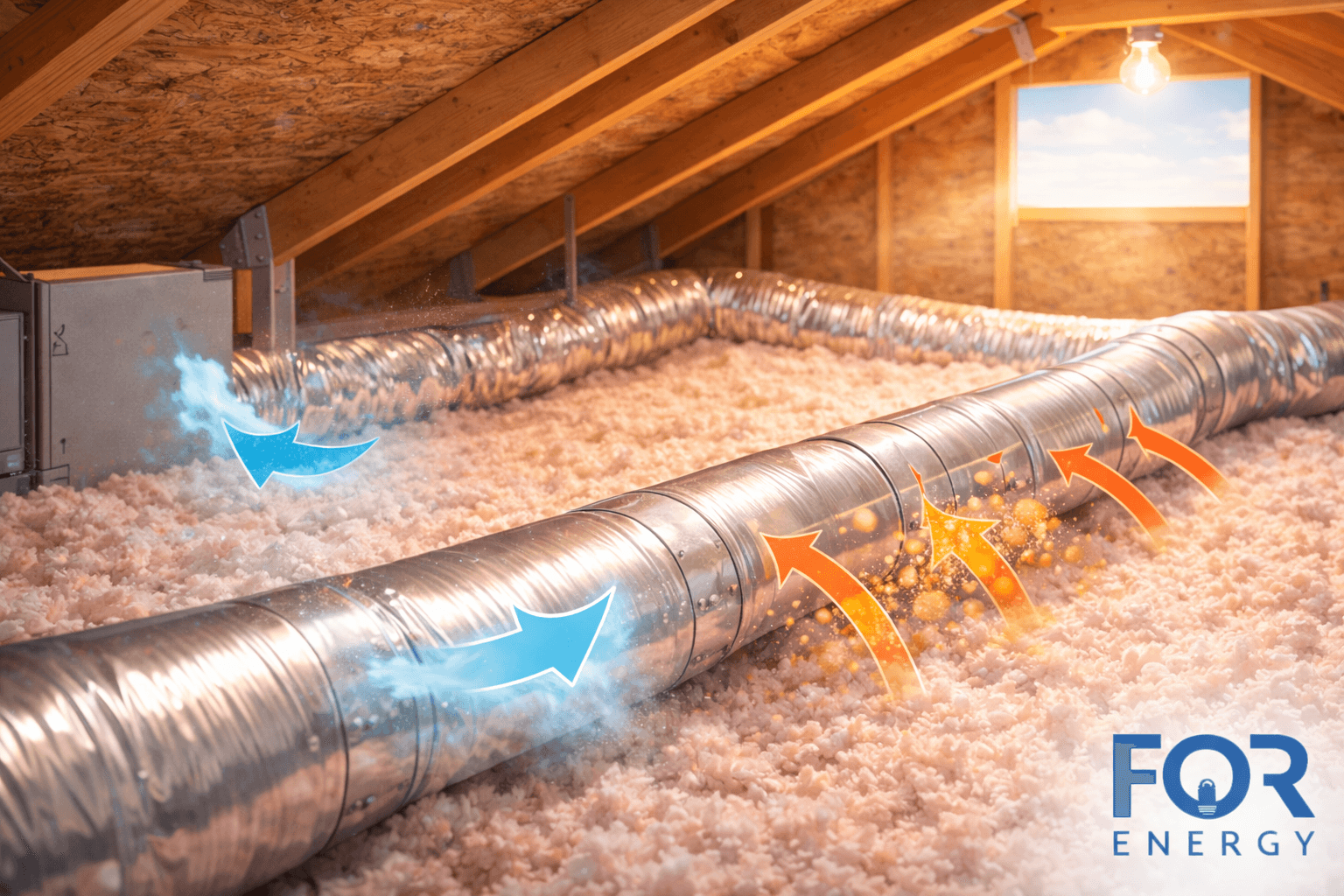
When your air ducts leak, they release the cool, conditioned air you've paid for into unconditioned spaces like your scorching attic, crawlspace, or wall cavities. This forces your HVAC system into a state of constant overwork. To compensate for the lost air and maintain the temperature you’ve set on your thermostat, the system has to run longer and more frequently.
This inefficiency is not a minor issue. According to ENERGY STAR, a typical home can lose about 20% to 30% of the air that moves through the duct system to leaks, holes, and poor connections. For a Phoenix homeowner, this translates directly into higher monthly utility bills, as a significant portion of your cooling budget is spent conditioning air that never even reaches your living spaces. This wasted energy puts unnecessary strain on your HVAC equipment, potentially leading to more frequent repairs and a shorter lifespan for the unit.
Common Signs of Leaky Air Ducts
Identifying duct leakage can be challenging because the ductwork is mostly hidden. However, there are several tell-tale signs that can alert a homeowner to potential problems. Paying attention to these symptoms is the first step in diagnosing energy loss and restoring home comfort.
Uneven Temperatures Between Rooms
One of the most common duct leakage symptoms is the presence of hot and cold spots throughout your home. If you notice that one bedroom is always warmer than the others, or a particular room feels stuffy and difficult to cool, it could be due to leaks in the ducts supplying that area. When a significant amount of conditioned air is lost before it reaches the vent, the room will struggle to reach the desired temperature, leading to frustrating and uncomfortable imbalances.
Higher Than Normal Energy Bills
A sudden or gradual unexplained increase in your electricity bills is a major red flag for HVAC duct leaks and energy loss. If your usage habits haven't changed but your cooling costs are climbing, your HVAC system is likely working harder to compensate for inefficiencies. Leaky ducts are a primary cause of this energy waste, as your system runs for longer cycles to make up for the cooled air being dumped into the attic. Understanding where do homes lose most energy can help pinpoint the source of these high bills.

Weak Airflow From Vents
Go and check the registers in your rooms. If you feel weak or inconsistent airflow coming from one or more vents, it's a strong indicator of a breach in the duct line. Leaks reduce the air pressure within the duct system, so by the time the air reaches its destination, its velocity has dropped significantly. This results in less conditioned air being delivered to your living spaces, compromising comfort and system performance.
Excessive Dust or Poor Indoor Comfort
Leaky return ducts can negatively impact your indoor air quality by pulling in outside air from unconditioned areas. This means dust, insulation fibers, allergens, and other pollutants from your attic or crawlspace can be drawn into your HVAC system and then distributed throughout your entire home. If you're noticing an unusual amount of dust buildup or your allergy symptoms seem worse indoors, it might be time to investigate your ductwork. Proper air sealing of the entire home envelope, including ducts, is crucial for a healthier living environment.
Why Attic Heat Makes Duct Leaks Worse
In the Phoenix area, the attic is the worst possible place for duct leaks to occur. During the summer, attic temperatures can easily exceed 150°F. When your cooled, conditioned air, typically around 55-60°F, escapes through duct leaks into this superheated environment, it is instantly wasted. This extreme temperature difference forces your HVAC system to work exponentially harder to cool your home.
This harsh attic environment also accelerates the degradation of the ductwork itself. The intense heat can cause duct tape to lose its adhesion and traditional mastic sealant to crack and peel away over time, worsening existing leaks and creating new ones. This creates a vicious cycle of energy loss that is particularly costly in the Phoenix climate.
How Professional Duct Sealing Solves the Problem
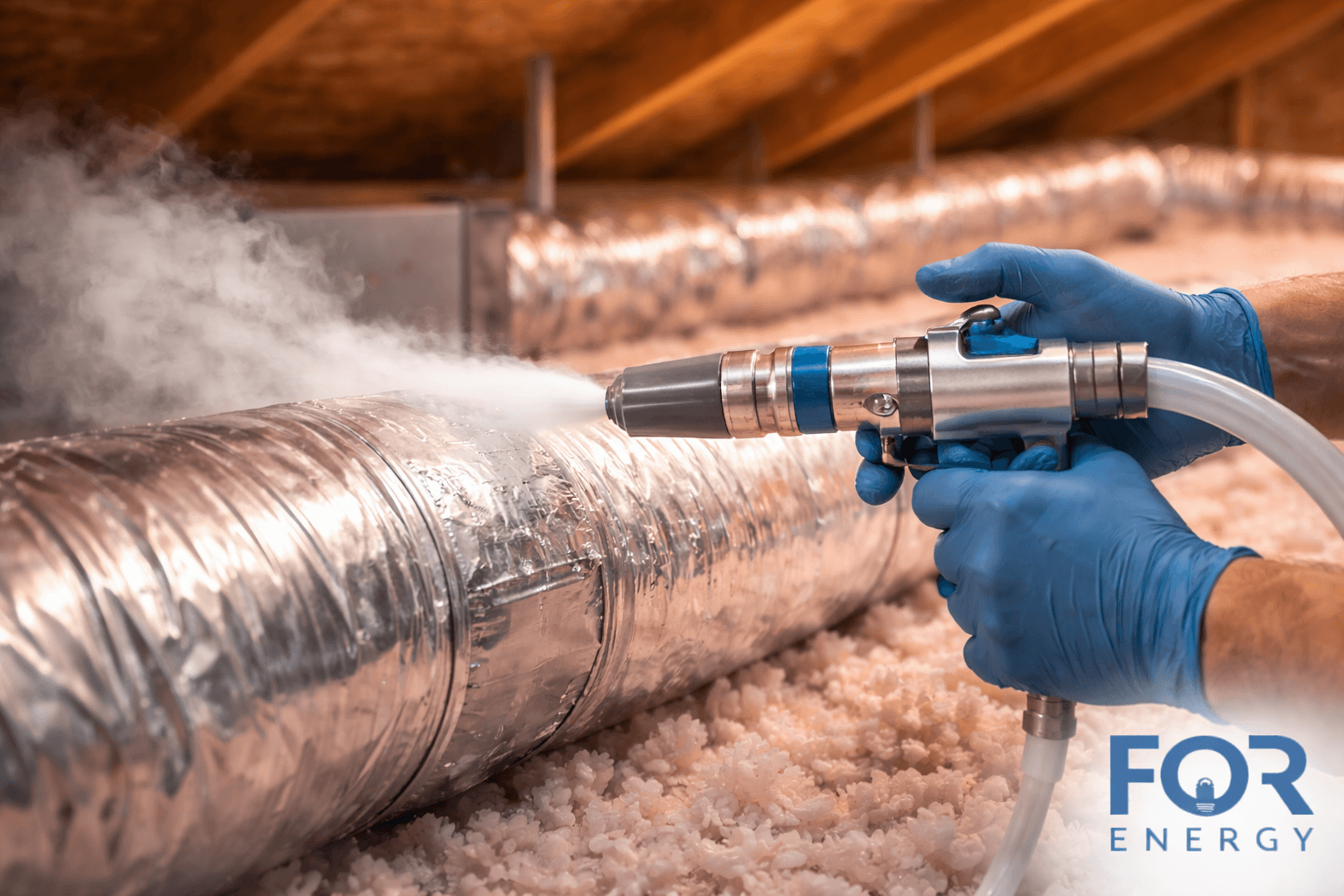
While some accessible leaks can be sealed with mastic or metal tape, the most effective way to solve widespread duct leakage is with professional solutions. Technologies like AeroSeal duct sealing offer a comprehensive fix by sealing the entire duct system from the inside out. This process involves pressurizing the ductwork and injecting a non-toxic, aerosolized sealant that automatically finds and fills cracks and holes, even those hidden in walls or inaccessible areas.
The benefits are immediate and substantial. Professional duct sealing restores powerful, even airflow to all rooms, eliminates hot and cold spots, and enhances overall comfort. By preventing air from escaping, it dramatically improves energy efficiency, leading to lower utility bills. Furthermore, it improves indoor air quality by stopping dust and pollutants from being pulled into your airstream. This science-backed approach addresses the root cause of the problem, ensuring your HVAC system operates at peak performance.
Schedule a Phoenix Home Energy Assessment
If you're experiencing any of the signs of leaky air ducts, the next step is to get a professional diagnosis. A comprehensive home energy checkup from FOR Energy can pinpoint the exact sources of energy loss in your Phoenix home. Our experts use advanced diagnostic testing, including blower door and duct leakage tests, to provide a complete picture of your home's performance.
Don't let leaky ducts compromise your comfort and inflate your energy bills any longer. Take the first step toward a more comfortable, efficient, and healthy home. Schedule a consultation with our team or contact us today to learn how our science-backed solutions can help you save money and improve your quality of life.
FAQs
How can I tell if my air ducts are leaking in my Phoenix home?
Common signs of leaky air ducts in Phoenix include uneven cooling or heating in different rooms, consistently high energy bills, weak airflow from your vents, excessive dust accumulation, and an HVAC system that runs for extended periods. Professional testing can confirm leaks.
What impact do leaky air ducts have on my energy bills in Phoenix?
Leaky air ducts can significantly increase your energy bills by allowing conditioned air to escape into unconditioned spaces like your attic, forcing your HVAC system to work harder and longer to maintain desired temperatures. Studies suggest 20-30% of conditioned air can be lost.
Why are duct leaks a particular problem in Phoenix attics?
In Phoenix, attic temperatures can soar above 150°F, severely heating any conditioned air lost through leaky ducts. This extreme environment accelerates the degradation of duct materials and sealants, making attic duct leaks a major source of energy waste and comfort issues.
Does duct sealing improve indoor air quality?
Yes, professional duct sealing can significantly improve indoor air quality. Leaky ducts can draw dust, allergens, insulation fibers, and even mold spores or pest residue from attics and crawl spaces into your living areas. Sealing these leaks prevents contaminants from circulating throughout your home.
How does professional duct sealing work to fix leaks?
Professional duct sealing methods, like AeroSeal, involve sealing leaks from the inside of your ductwork using specialized polymer particles. This process targets and seals cracks and holes that are often inaccessible through conventional methods, restoring airflow and efficiency to your HVAC system.