-400x299.png&w=1080&q=75&dpl=dpl_73Rd1Z1oC3NjwfsZ3zJbj3MZgbjF)
How Insulation and Air Sealing Work Together to Improve Energy Efficiency in Phoenix Homes
Key Takeaways
Air sealing and insulation are complementary, not interchangeable, for optimal home energy efficiency, especially in the Phoenix desert climate.
Air leaks allow cooled air to escape, while insulation slows heat transfer, making both crucial for maintaining a comfortable indoor temperature and reducing utility bills.
Understanding the unique challenges of heat in Phoenix homes highlights the necessity of a comprehensive approach to energy upgrades.
A professional home energy assessment is key to identifying specific air leakage points and insulation needs, leading to tailored, effective solutions.
Combining insulation and air sealing significantly reduces energy waste, improves indoor comfort, and contributes to a healthier home environment.
Why Energy Efficiency Is Important for Phoenix Homes
Living in Phoenix means embracing the sun, but it also means battling relentless summer heat. The triple-digit temperatures that define our desert climate put an enormous strain on our homes and our wallets. For Phoenix homeowners, "energy efficiency" isn't just a buzzword; it's a critical strategy for survival, comfort, and financial stability. High cooling costs are a significant part of any household budget, and every bit of cooled air that escapes is money wasted.
A home that isn't optimized for our climate is constantly fighting a losing battle against heat gain. This not only leads to shockingly high utility bills but also creates an uncomfortable living environment with hot spots, inconsistent temperatures, and an HVAC system that runs constantly without ever seeming to catch up. By focusing on home performance upgrades, you can transform your house into a cool, comfortable sanctuary that works with you, not against you, to combat the extreme heat. It’s about creating a smarter, more resilient home that enhances your quality of life while reducing your environmental footprint and, most importantly, keeping more of your hard-earned money.
What Air Sealing Does for Home Efficiency
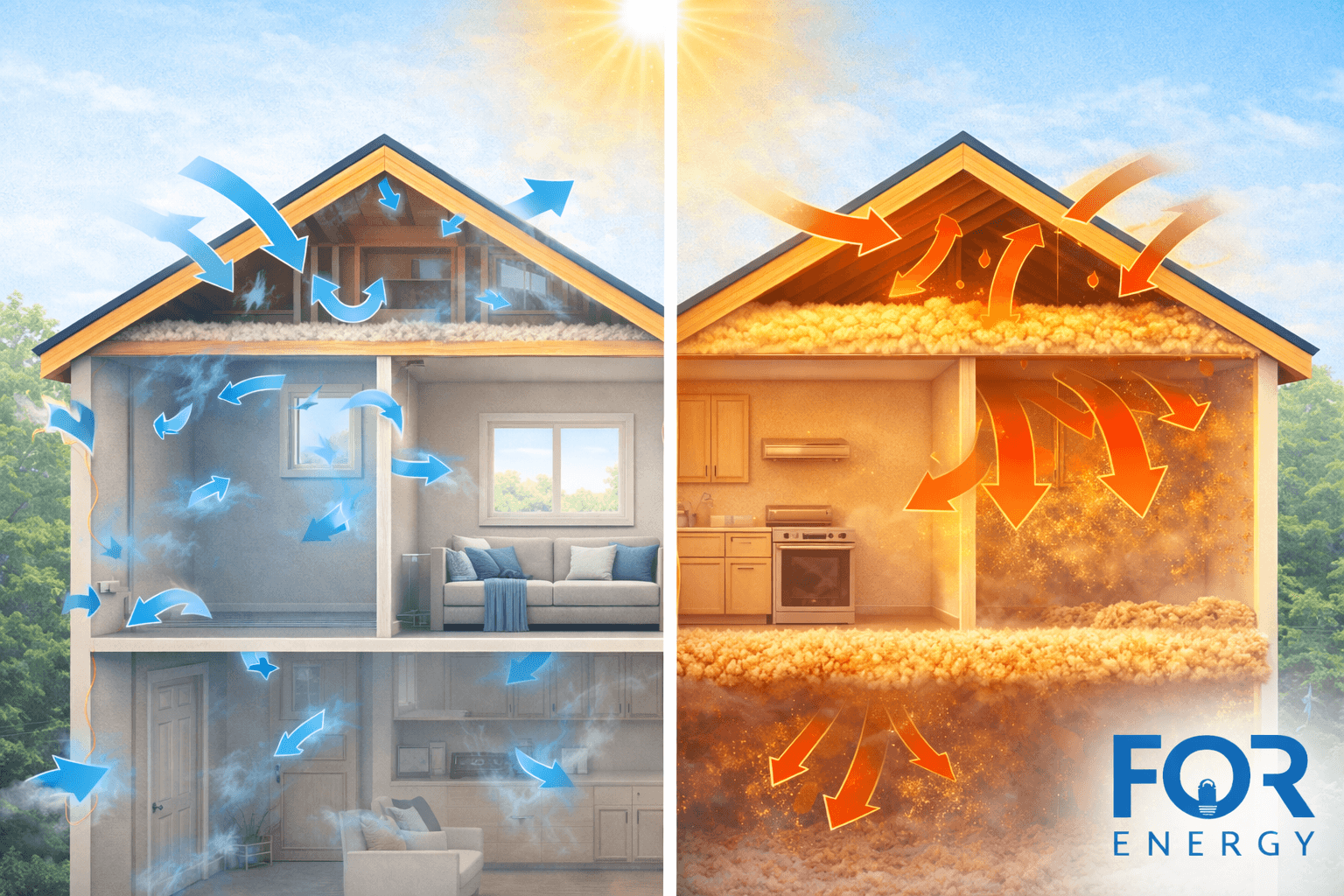
Many homeowners think of insulation as the primary defense against heat, but it's only half of the equation. Before insulation can do its job effectively, you must control airflow. This is the crucial role of air sealing. Think of your home as having a protective shell, often called a building thermal envelope. Over time, this envelope develops countless cracks, gaps, and holes that allow air to move freely between your conditioned living space and the unconditioned outdoors.
Air sealing is the systematic process of finding and closing these leaks. When these gaps are left unsealed, your expensive, cooled indoor air escapes, while hot, dusty, and often allergen-filled desert air infiltrates your home. This uncontrolled air movement is a primary driver of energy waste. According to the U.S. Department of Energy, air leakage can account for 30% or more of a home's cooling costs. By properly air sealing your home, you create a more airtight barrier. This simple but powerful step drastically reduces the workload on your HVAC system, as it no longer has to fight the constant intrusion of hot outside air. This leads directly to lower energy bills, improved indoor air quality, and a more consistently comfortable home.
Common Sources of Air Leaks in Phoenix Homes
Air leaks are masters of disguise, hiding in plain sight and silently costing you money. In Phoenix homes, they can be found from the foundation to the attic. Some of the most common culprits include:
Attic Penetrations: Gaps around recessed lighting (can lights), plumbing stacks, electrical wiring, and the attic access hatch are major sources of air leakage.
Windows and Doors: Worn-out weatherstripping or poorly sealed frames allow significant airflow.
Wall Penetrations: Holes drilled for plumbing, electrical outlets, and light switches are often left unsealed.
Ductwork: Leaks in your HVAC duct system, especially in a hot attic, can spill a massive amount of cooled air into unconditioned spaces before it ever reaches your rooms. Proper duct sealing is essential.
Sill Plates and Rim Joists: The connection point where the walls of your home meet the foundation is a common area for air intrusion.
Identifying these hidden leaks is the first step toward a more efficient home.
How Insulation Improves Thermal Performance
Once you’ve controlled for airflow, the next step is to manage heat transfer. This is where insulation comes in. Insulation’s job is not to stop air leaks but to slow down the movement of heat. Heat naturally flows from a warmer area to a cooler area. In a Phoenix summer, that means the intense heat outside is constantly trying to get into your cooler, air-conditioned home.
Insulation acts as a thermal barrier, resisting this heat transfer. The effectiveness of insulation is measured by its R-value; the higher the R-value, the better it is at resisting heat flow. In the desert climate, having robust home insulation, particularly in the attic, is non-negotiable. The sun beats down on your roof all day, turning the attic into an oven that can reach temperatures of 150°F or more. Without adequate attic insulation, that heat radiates directly down into your living space, forcing your HVAC system to work overtime. By slowing this process, insulation keeps your home cooler for longer, maintains a stable indoor temperature, and plays a vital role in reducing energy consumption.
Why Insulation Alone Is Not Enough
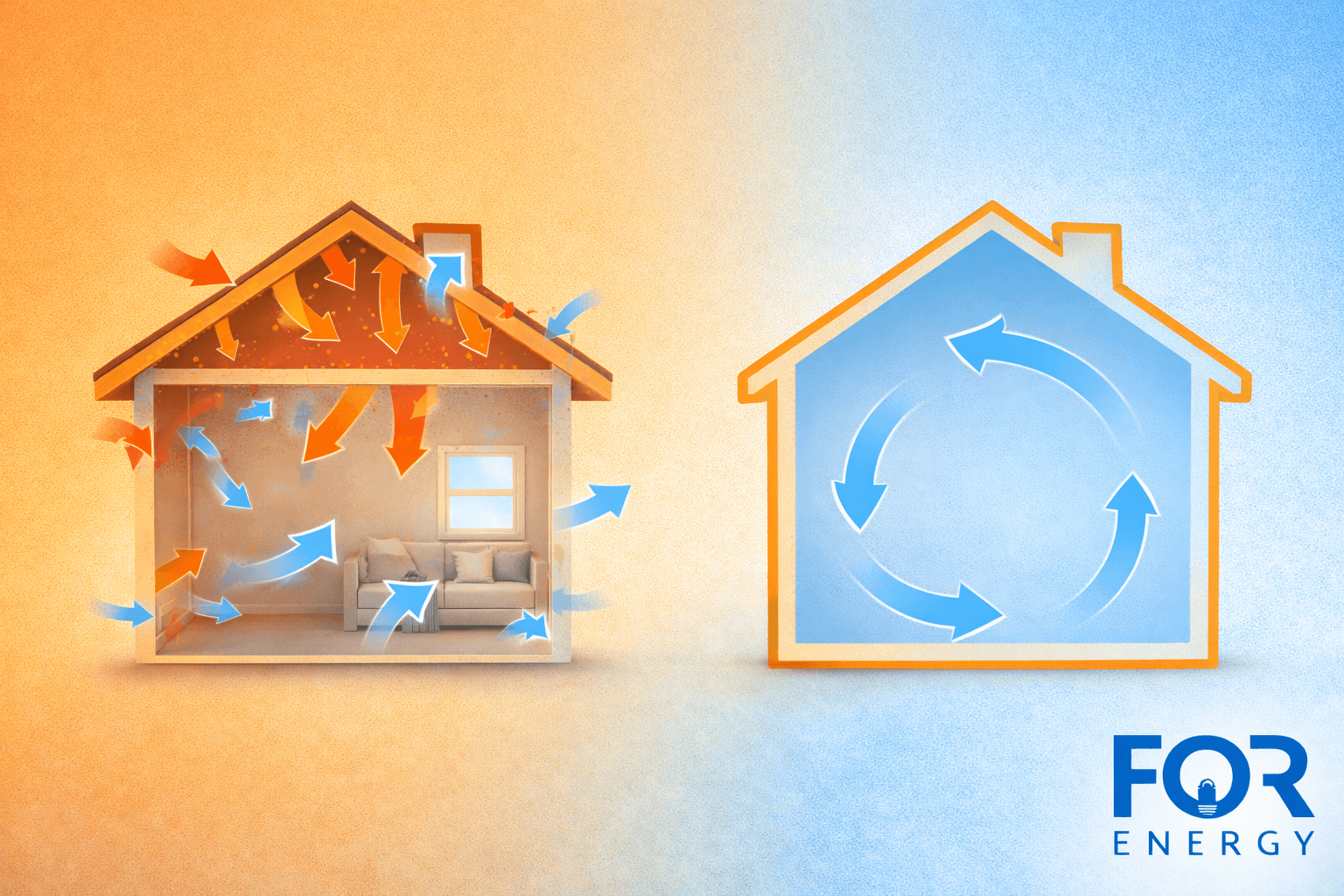
A common mistake in home energy upgrades is focusing solely on insulation while ignoring air leaks. Homeowners might invest in high-R-value insulation, expecting a dramatic drop in their energy bills, only to be disappointed. The reality is that insulation cannot perform optimally in a leaky house.
Imagine wearing a thick, wool sweater on a windy day. The sweater material is like insulation, but the wind cuts right through the loose knit, chilling you to the bone. Now, if you put on a thin, windproof shell over that sweater, you’re suddenly comfortable. The shell stops the airflow, allowing the sweater to trap your body heat effectively. Air sealing is the windproof shell for your house. Without it, hot air can bypass your insulation through countless cracks and gaps, a phenomenon known as "convective bypass", rendering it far less effective. You can have the best insulation in the world, but if you haven't addressed air leakage first, you're still wasting a significant amount of energy and money.
How Air Sealing and Insulation Work Together
The true power of home energy efficiency is unleashed when air sealing and insulation are combined. This partnership creates a complete thermal boundary that addresses both major sources of energy loss: uncontrolled airflow and heat transfer. First, air sealing creates an airtight container, preventing the exchange of air between the inside and outside. This is the foundational step that ensures the conditioned air you’ve paid to cool stays inside your home.
With the home’s envelope now tight, insulation can do what it was designed for: effectively slow down the conductive and radiant transfer of heat through the roof and walls. This synergy is what building science is all about. Together, they ensure that your home doesn't just get cool, but that it stays cool with minimal effort from your HVAC system. This comprehensive approach is recognized by programs like ENERGY STAR as one of the most cost-effective ways to improve a home's comfort and efficiency. The result is a home that is not only more affordable to operate but also healthier, quieter, and significantly more comfortable year-round.
The "Hat and Coat" Analogy for Your Home
To bring this concept to life, let’s use a simple analogy. Think of preparing for a frigid, windy winter day. Your insulation is like a big, warm coat. It’s thick and designed to hold in your body heat. However, if you only wear the coat, the wind can still whip around your neck and head, causing you to lose a lot of heat.
Now, add a winter hat. The hat is your air sealing. It stops the wind from hitting your head and prevents that critical heat from escaping. When you wear both the hat (air sealing) and the coat (insulation), you are fully protected. The hat stops the airflow, and the coat manages heat loss. In your Phoenix home, air sealing is the "hat" that stops hot air from infiltrating your attic and living space, while insulation is the "coat" that prevents the sun's heat from radiating through your roof. You need both to be truly comfortable and efficient.
Energy Savings From Combining Both Upgrades
When homeowners tackle both air sealing and insulation, the results are more than just additive; they're exponential. This comprehensive strategy leads to significant reductions in energy waste, which translates directly into lower cooling costs. Homeowners can save an average of 15% on heating and cooling costs by air sealing and insulating. In a climate like Phoenix, where cooling is the dominant energy expense for most of the year, these savings can be substantial.
Beyond the financial benefits, the improvement in home comfort is immediate and profound. Hot and cold spots are eliminated, creating a consistent temperature from room to room. The tighter building envelope also improves indoor air quality by reducing the amount of dust, pollen, and other pollutants that can enter the home from outside. Furthermore, an efficient home puts less demand on the electrical grid, contributing to a more sustainable community. By investing in a complete insulation and air sealing solution, you are making a smart, long-term upgrade that enhances your home’s performance, value, and livability.
Schedule a Phoenix Home Energy Assessment
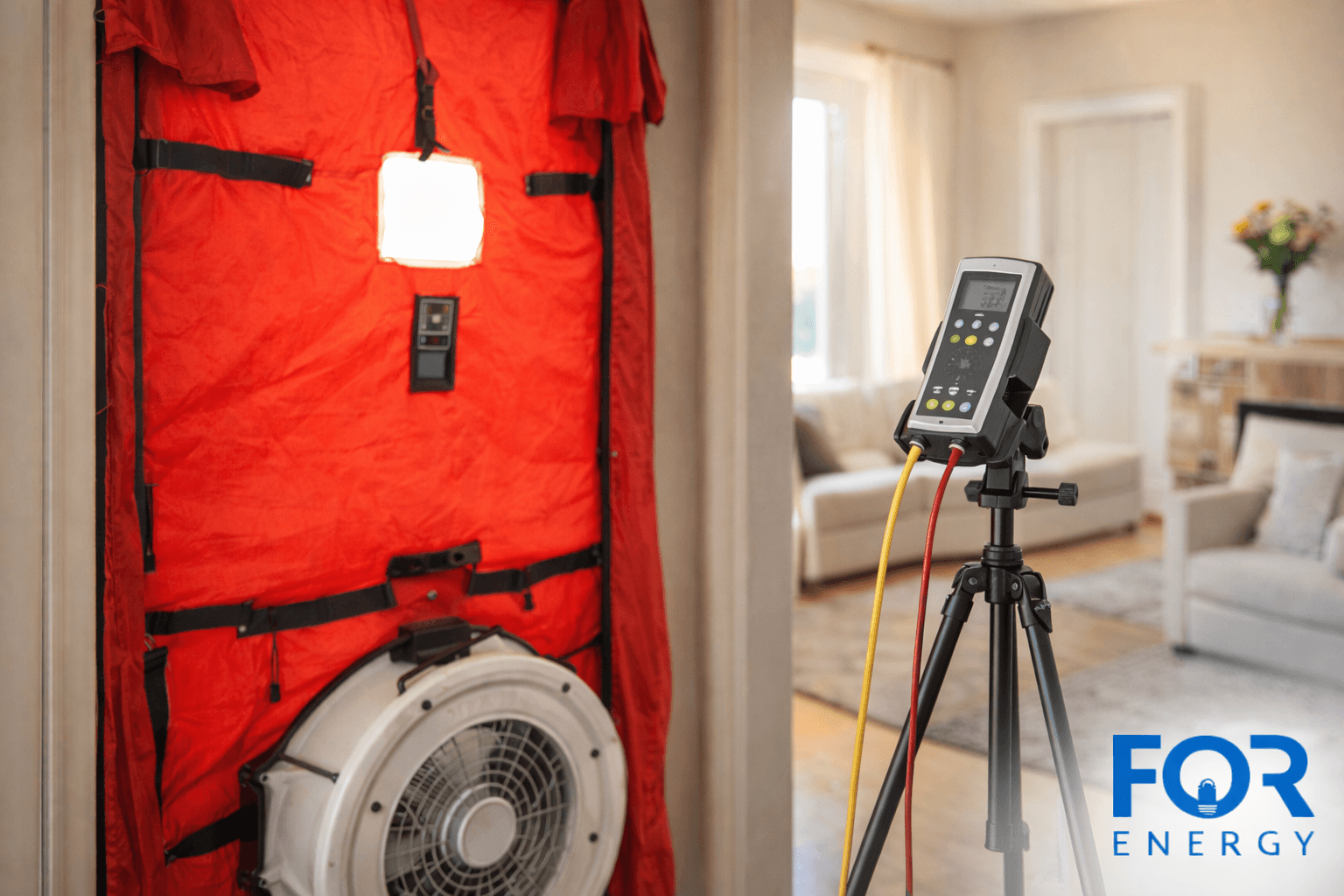
Understanding that your home needs both insulation and air sealing is the first step, but every home is unique. The key to maximizing your energy savings is to identify the specific areas of weakness in your home's thermal envelope. This is where a professional home energy assessment becomes invaluable. FOR Energy offers a complimentary home energy checkup designed to pinpoint exactly where your home is leaking air and where insulation is lacking.
Our certified technicians use advanced diagnostic tools like blower door tests and infrared cameras to gather data, not just guess. This scientific approach allows us to create a customized plan tailored to your home's specific needs, ensuring that your investment delivers the best possible results. A comprehensive assessment is detailed in our guide, Maximizing Energy Efficiency: A Comprehensive Guide to Home Energy Checkups. Don't let another scorching Phoenix summer drain your bank account. Take the next step towards a more comfortable and efficient home. Schedule your consultation with FOR Energy today and discover the powerful benefits of combining insulation and air sealing.
FAQs
How do air sealing and insulation work together to save energy in a Phoenix home?
In Phoenix, air sealing first stops conditioned air from escaping and hot air from entering through leaks, creating a tight thermal envelope. Insulation then slows down heat transfer through walls and ceilings, ensuring the sealed home stays cooler with less effort from your HVAC system, significantly reducing cooling costs.
Can I just have good insulation without air sealing and still see energy savings?
While good insulation helps, it's not fully effective without air sealing. Air leaks allow hot air to bypass insulation, reducing its performance. Combining both ensures your home's thermal barrier is complete, preventing both air movement and heat transfer for maximum energy efficiency.
Why are both insulation and air sealing particularly important in the Phoenix desert climate?
Phoenix's extreme heat means homes face constant high heat gain. Air sealing prevents hot outdoor air from infiltrating, while insulation creates a barrier against heat transfer, especially in attics. Together, they are critical to keep intense desert heat out and maintain a comfortable, affordable indoor environment.
What is a home energy checkup, and how does it help identify air sealing and insulation needs?
A home energy checkup is a comprehensive assessment that uses diagnostic tools like blower door tests and infrared cameras to pinpoint exact locations of air leaks and evaluate insulation levels. This data helps identify the most effective and personalized solutions for your home's unique energy challenges.
What are the main benefits of combining air sealing and insulation upgrades for a Phoenix homeowner?
Combining these upgrades provides significant benefits, including dramatically lower cooling bills, improved and consistent indoor comfort, enhanced indoor air quality by reducing dust and allergens, and a quieter home environment. It's a holistic approach to home energy performance.