-400x299.png&w=1080&q=75&dpl=dpl_73Rd1Z1oC3NjwfsZ3zJbj3MZgbjF)
Signs Your Attic Insulation Is Causing High Energy Bills in Phoenix
Key Takeaways
Phoenix attics can reach extreme temperatures (140°F-180°F), demanding robust insulation to prevent heat transfer into living spaces.
Common indicators of failing attic insulation include high energy bills, uneven home temperatures, a constantly running HVAC system, and hot ceilings.
Poor insulation forces HVAC systems to work overtime, leading to increased wear, higher utility costs, and reduced indoor comfort.
A professional home energy assessment is crucial for accurately diagnosing insulation issues and determining the best solutions for Phoenix homeowners.
Upgrading attic insulation to recommended R-values can significantly lower energy bills, improve comfort, and extend HVAC system lifespan.
Why Attic Insulation Is Critical for Phoenix Homes
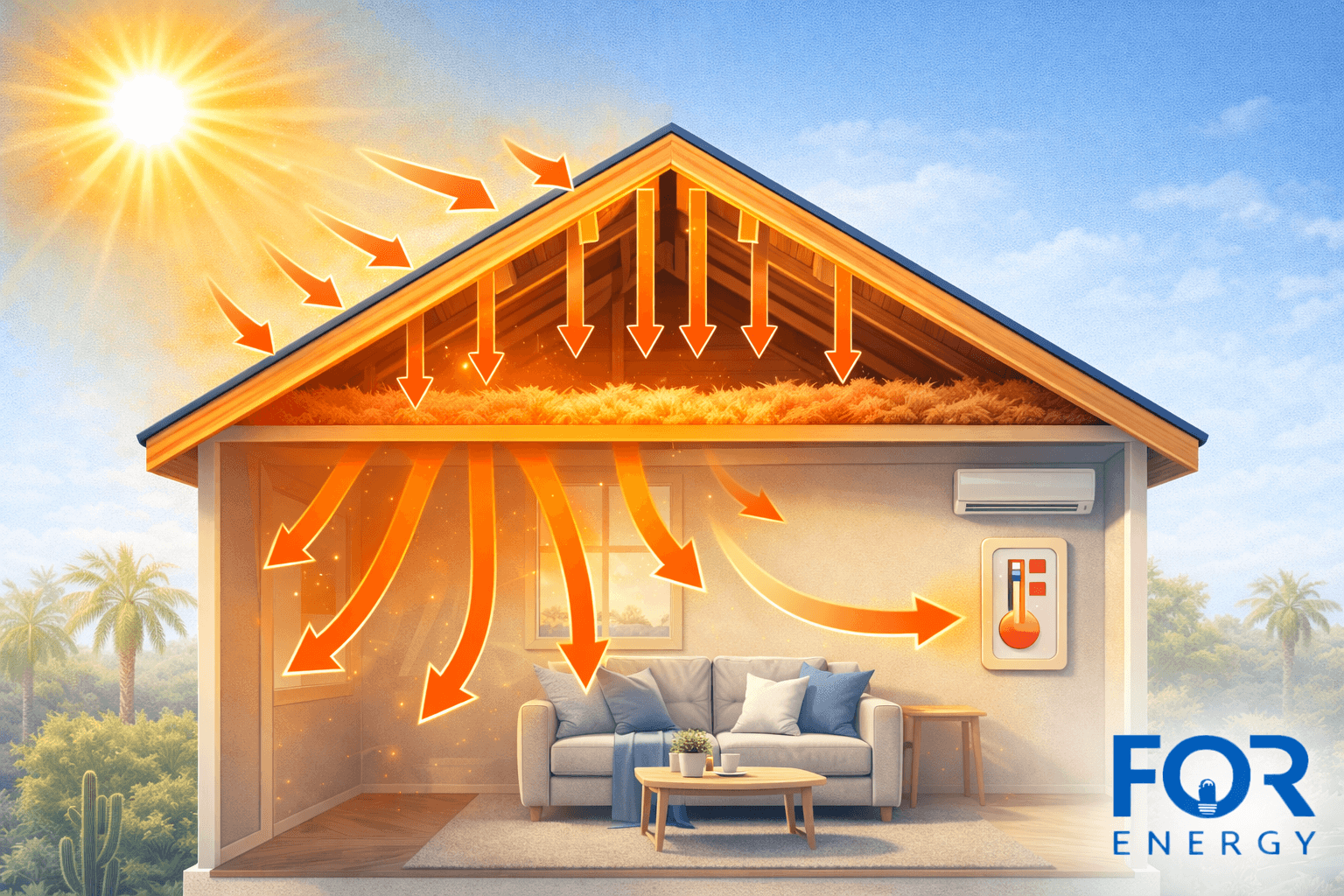
In the relentless heat of a Phoenix summer, your home's first line of defense isn't your air conditioner; it's your attic insulation. Think of it as a thermal barrier, a shield standing between the scorching sun and your comfortable living space. Quality attic insulation works by slowing down heat transfer, specifically the radiant heat that builds up in your attic and tries to push its way into your house.
When this barrier is effective, it keeps the superheated attic air from influencing the temperature of your home. This allows your HVAC system to maintain your desired temperature without a constant, energy-guzzling struggle. A well-insulated home is a more efficient home, which translates directly to lower energy bills and a more comfortable indoor environment, even when temperatures outside soar into the triple digits.
How Arizona Heat Impacts Attic Temperatures
To understand why attic insulation is so vital in Arizona, it's important to grasp the extreme conditions it battles every day. While the official temperature in Phoenix might be 110°F, the sun's direct solar radiation can heat your roof's surface to much higher temperatures. This heat is then transferred into your attic, and without proper ventilation and insulation, the trapped air can reach a staggering 140°F to 180°F.
This intense pocket of heat relentlessly radiates downward, warming up your ceiling, passing through drywall, and ultimately heating your living spaces. This process, known as radiant heat transfer, forces your air conditioner to work significantly harder to remove the heat that is constantly infiltrating your home from above. It’s not just fighting the outdoor heat; it’s battling a superheated oven right above your head. This is a primary reason homes lose the most energy through the attic.
Common Signs Your Attic Insulation Is Failing
When your attic's thermal shield is compromised, your home and your wallet will start sending you distress signals. Recognizing these signs is the first step toward diagnosing an inefficient attic and reclaiming your comfort.
Uneven Temperatures in the Home
Do you have rooms, particularly on the upper floor, that are consistently hotter than the rest of the house? These "hot spots" are a classic symptom of failing or insufficient insulation. When insulation is thin, compressed, or unevenly distributed, it creates weak points where heat can easily penetrate, leading to noticeable temperature imbalances from one room to the next.
Rising Energy Bills
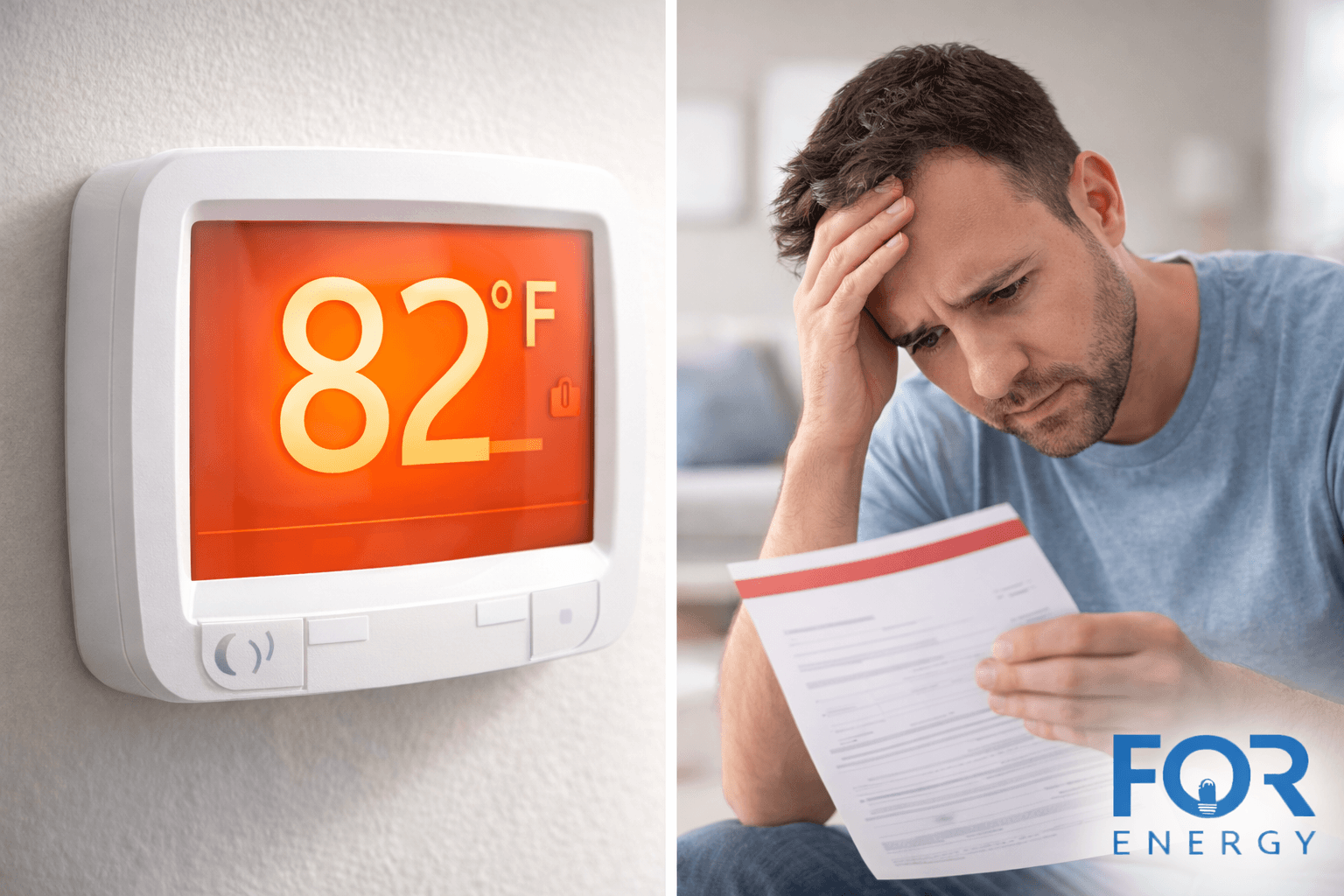
One of the most direct signs of poor attic insulation is a sudden or steady increase in your cooling costs. If your usage habits haven't changed, but your summer electricity bills are climbing, your HVAC system is likely compensating for heat gain. Inadequate insulation forces your AC to run longer and more frequently to maintain the thermostat setting, directly impacting your energy consumption.
HVAC Running Longer Than Usual
An air conditioner in a well-insulated home should cycle on and off at a reasonable pace. If you notice your AC is running almost constantly without ever seeming to catch up, it’s a clear indication that it’s fighting a losing battle against heat intrusion. This constant operation not only drives up bills but also puts excessive strain on the HVAC equipment, leading to premature wear and potential breakdowns.
Hot Ceilings or Rooms
In the rooms directly beneath the attic, place your hand on the ceiling on a hot afternoon. If it feels noticeably warm to the touch, you are feeling radiant heat transferring directly from the attic into your living space. This is a tangible sign that your insulation is no longer providing an adequate thermal barrier to stop the heat.
When Attic Insulation Should Be Replaced
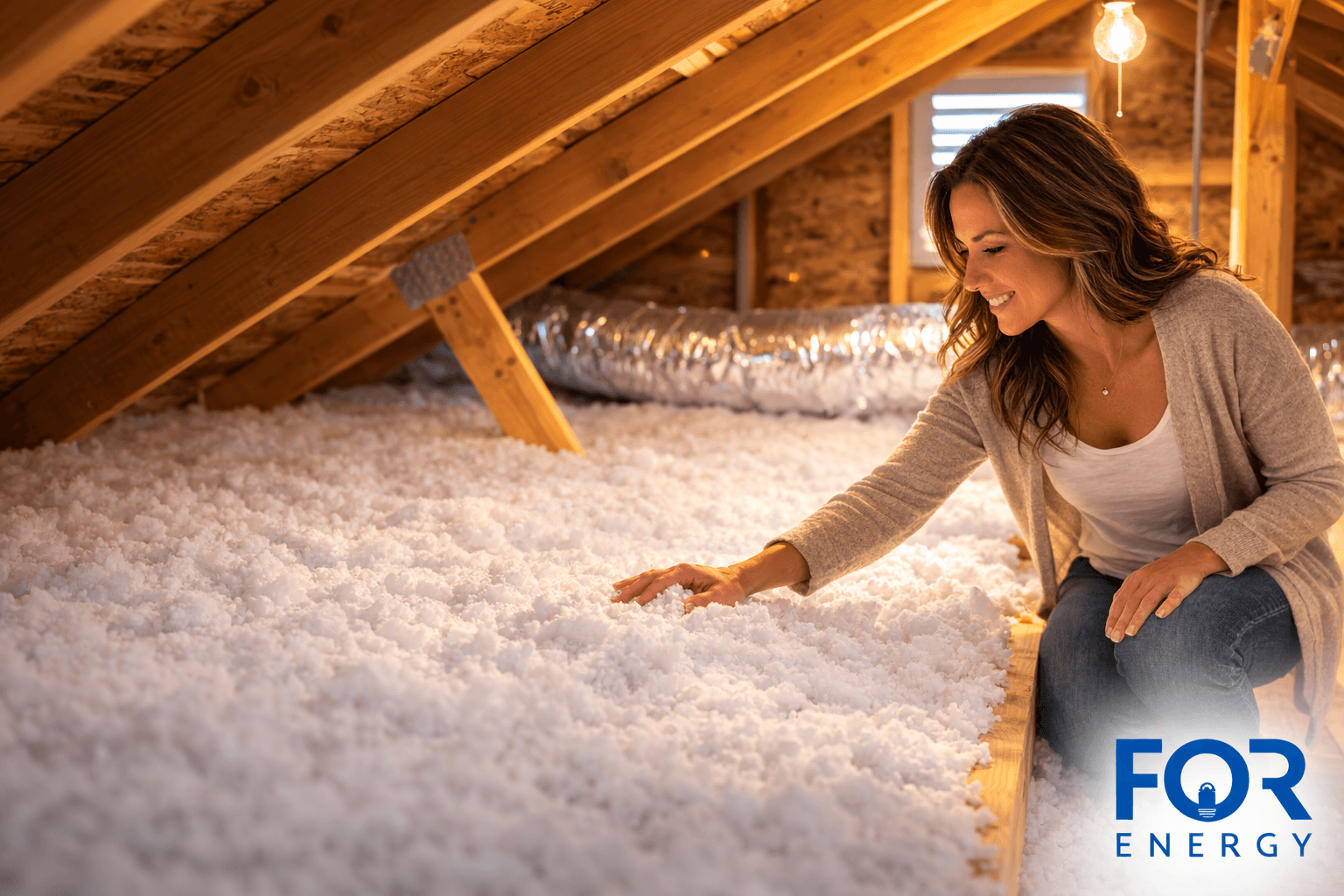
Most insulation materials have a finite lifespan. Depending on the type, be it fiberglass, cellulose, or foam, you can expect it to perform effectively for about 15 to 25 years. Homes built decades ago in Arizona may have insulation that is now well below the recommended R-value for our climate. The U.S. Department of Energy recommends an R-value between R-30 and R-60 for attics in the Phoenix climate zone.
Beyond age, there are other reasons to consider a replacement. Visual signs of trouble include insulation that appears flat, compressed, or has visible gaps where it has settled over time. Any evidence of moisture damage from roof leaks or signs of pest infestations can also severely compromise its performance. If you see exposed ceiling joists, it's a clear indicator that your insulation has lost volume and effectiveness. Improving insulation often goes hand-in-hand with services like air sealing and duct sealing to create a truly efficient system.
Schedule a Phoenix Home Energy Assessment
Guessing about your insulation's effectiveness can be a costly mistake. The most reliable way to understand your home's energy performance is with a professional diagnosis. A home energy audit provides a science-based evaluation of where your home is losing energy and why.
At FOR Energy, we offer a complimentary 21-point home energy checkup to pinpoint the root causes of high bills and discomfort. Our experts use diagnostic tools to assess your current insulation levels, identify air leaks, and provide a clear, data-driven roadmap to improving your home's efficiency. Rather than guessing, a professional assessment empowers you with the knowledge to make a lasting investment in your comfort and energy savings. For a comprehensive overview, explore our guide to home energy checkups.
Don't let another scorching summer pass by with high bills and a struggling AC. Schedule your complimentary consultation today to discover how upgrading your attic insulation can transform your Phoenix home.
FAQs
How hot does an attic in Phoenix get during the summer?
In Phoenix summers, attic temperatures can easily exceed 140°F, often reaching 160°F or even up to 180°F, significantly hotter than the ambient outdoor temperature.
What is a common R-value recommendation for attic insulation in Phoenix homes?
For attics in Phoenix (Climate Zone 2), the U.S. Department of Energy recommends an R-value between R-30 and R-60, with many local experts suggesting R-38 to R-49, or even R-49 as a strong recommendation.
Can poor attic insulation really lead to significantly higher energy bills?
Yes, poor attic insulation can significantly increase energy bills. It forces your air conditioning system to work much harder and longer to combat heat transfer from the attic into your living space, leading to higher electricity consumption and costs.
How can I tell if my attic insulation is old or damaged?
You can look for signs such as visibly compressed, flat, or dirty insulation, gaps where insulation has settled, exposed ceiling joists, or signs of moisture damage and pest activity. If your insulation is 15-25 years old, it's often a good time for an inspection.
What is the best way to determine if my Phoenix home needs new attic insulation?
The best way to definitively determine if your Phoenix home needs new attic insulation is to schedule a professional home energy assessment or insulation inspection with an expert who can evaluate your current insulation, identify heat loss, and recommend appropriate solutions.