-400x299.png&w=1080&q=75&dpl=dpl_Hi6ZKV3Miso167J9igyQX1ihqdht)
Phoenix Homeowners: Discover the Most Cost-Effective Attic Insulation for Energy Savings
Key Takeaways
In Phoenix's extreme heat, the most cost-effective attic insulation combines strong R-value with effective air sealing to combat heat transfer and lower cooling bills.
Blown-in cellulose and fiberglass offer excellent value for reaching recommended R-values (R-38 to R-49) and are often the fastest for ROI, especially when supplementing existing insulation.
Spray foam insulation provides superior air sealing and a higher R-value per inch, leading to significant long-term energy savings, though with a higher initial investment.
Radiant barriers complement traditional insulation by reflecting radiant heat, offering additional savings and comfort in the scorching Arizona climate.
A professional home energy checkup is essential to assess your attic's specific needs and determine the optimal, tailored solution for maximum energy efficiency and comfort.
Why Cost-Effective Attic Insulation is Crucial in Phoenix
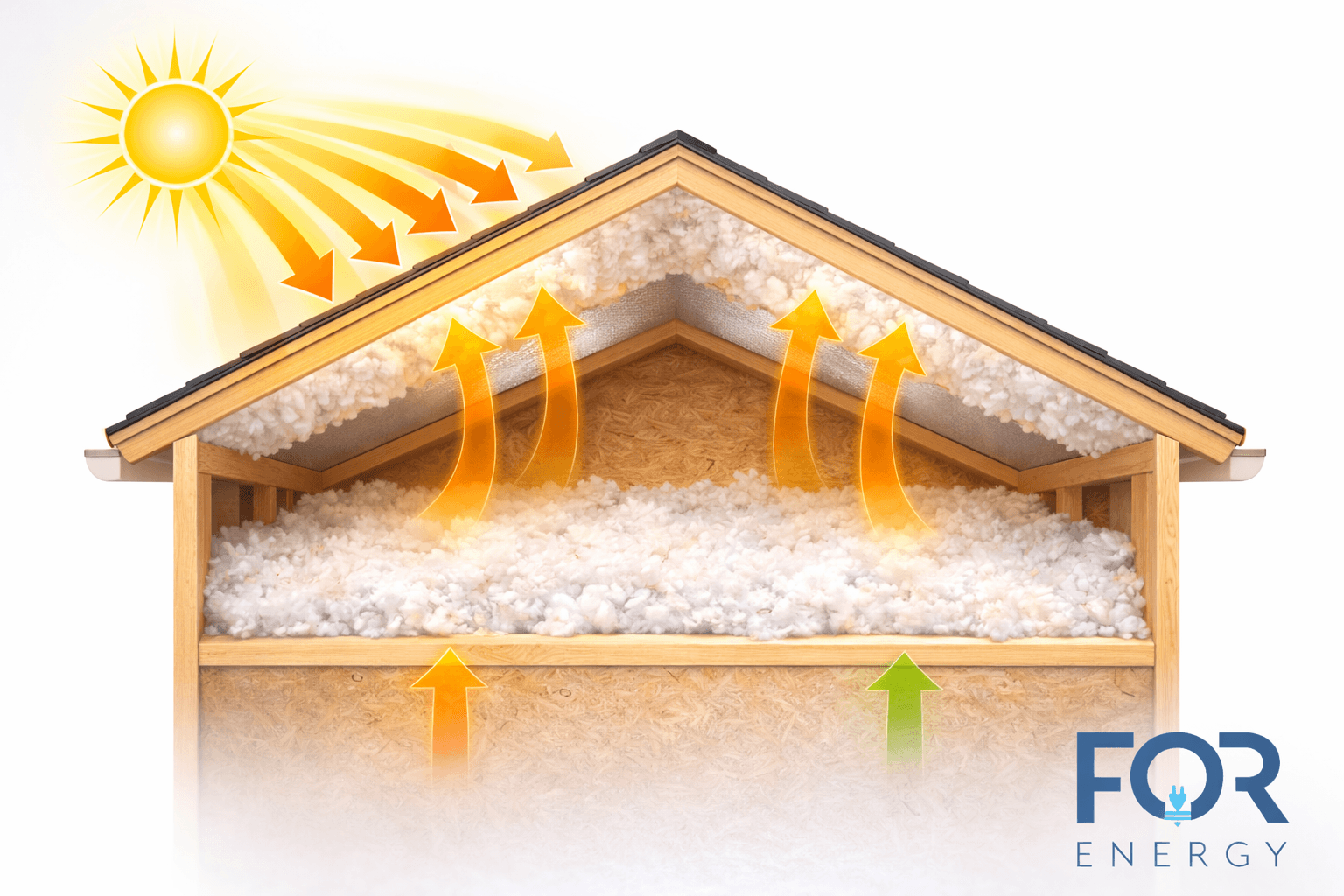
Living in the Valley of the Sun means embracing the sunshine, but for homeowners, it also means a relentless battle against extreme heat. The attic is the frontline in this battle. During a scorching Phoenix summer, temperatures in an under-insulated attic can soar to 150°F or higher. This intense heat radiates downward, forcing your HVAC system to work overtime just to maintain a comfortable temperature inside your home. This constant strain is a primary driver of sky-high electricity bills and is a key area where homes lose most energy.
Effective Attic Insulation acts as a thermal barrier, slowing this transfer of heat from the attic into your living space. By investing in the right insulation, you’re not just buying a product; you’re investing in year-round comfort, lower energy consumption, and a more resilient home. For residents of the Phoenix metro area, choosing the most cost-effective solution means finding the sweet spot between upfront investment and long-term energy savings. It's about making a smart financial decision that pays dividends every month when you receive your utility bill.
Understanding R-Value and Its Importance for Arizona Homes
When discussing insulation, the term "R-value" is paramount. An R-value is a measure of a material's thermal resistance, or its ability to resist heat flow. The higher the R-value, the greater the insulating power. In a climate as demanding as Phoenix's, a high R-value is not a luxury; it's a necessity for improving your home's energy efficiency.
The U.S. Department of Energy categorizes the country into climate zones to provide tailored insulation recommendations. Phoenix falls into Climate Zone 2, where the recommendation for attics is an R-value between R-30 and R-60. For optimal performance and savings, targeting an R-value of R-38 to R-49 is often the ideal goal for local homes. Achieving this standard is one of the most impactful upgrades a homeowner can make. It ensures that the intense summer heat stays out of your home and your cooled, conditioned air stays in, directly reducing the workload on your air conditioner and leading to substantial savings. A home with an adequate R-value is a home that is better equipped to handle the Arizona climate efficiently.
Cost-Effective Attic Insulation Options for Phoenix
Choosing the right insulation involves weighing upfront costs against long-term performance and energy savings. In Phoenix, the most cost-effective solution must excel at combating intense radiant heat and be durable enough to last for decades. Homeowners have several excellent attic insulation options, each with a unique profile of benefits, costs, and return on investment. The best choice often depends on your home's specific construction, your existing insulation levels, and your budget. Below, we compare the leading materials to help you make an informed decision.
Blown-In Insulation: Fiberglass and Cellulose
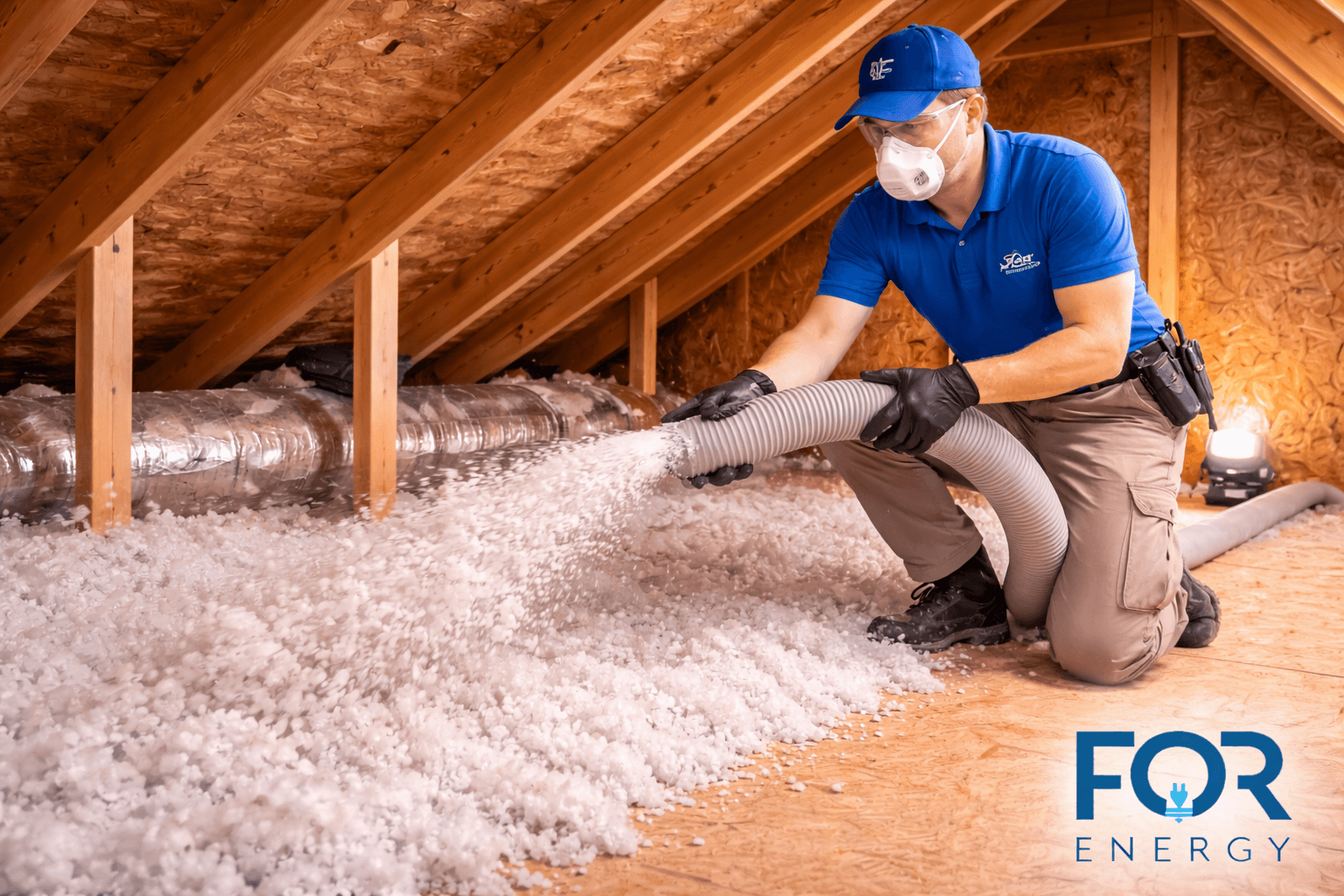
Blown-in insulation, which includes both fiberglass and cellulose, is one of the most popular and cost-effective choices for Phoenix attics. This method involves using a specialized machine to blow loose-fill material into the attic, allowing it to settle into a thick, uniform blanket that covers the attic floor, joists, and hard-to-reach crevices. This comprehensive coverage is key to its effectiveness.
Fiberglass, made from fine strands of glass, is naturally resistant to moisture and fire. Cellulose, composed of recycled paper products treated with a fire retardant, is often praised for its eco-friendly properties and its ability to deter pests. Both options provide an excellent R-value per dollar and are ideal for topping up existing insulation to reach the recommended R-38 to R-49 levels. For many homeowners, blown-in insulation offers the quickest return on investment, providing significant improvements in comfort and energy savings without the higher upfront cost of other materials.
Spray Foam Insulation: A Premium for Long-Term Savings
For homeowners seeking the highest level of performance, spray foam insulation is the premier choice. Though it comes with a higher initial investment, its long-term benefits are unmatched, particularly in extreme climates. Spray polyurethane foam (SPF) is applied as a liquid that expands to fill every crack and gap, creating a powerful, seamless barrier against both heat transfer and air leakage.
There are two main types: open-cell and closed-cell. Closed-cell spray foam offers a superior R-value per inch (up to R-7) and acts as a vapor barrier, adding structural integrity to the roof deck. By creating an almost perfect air seal, spray foam dramatically reduces energy loss. This can lead to cooling cost reductions of 40-50%, a figure that makes a significant impact over the life of the home. For those planning to stay in their homes long-term, the substantial energy savings and enhanced comfort delivered by spray foam make it an incredibly cost-effective investment.
The Critical Role of Air Sealing for Maximum Savings
Insulation is only half of the equation. To truly maximize your energy savings, you must also address air leakage. Heat doesn't just move through materials; it's also carried by airflow. Small gaps around light fixtures, plumbing pipes, ductwork, and attic hatches can allow hot attic air to infiltrate your living space and expensive cooled air to escape. This is why professional air sealing is a critical first step before adding insulation.
According to the U.S. Environmental Protection Agency, homeowners can save an average of 15% on heating and cooling costs by sealing air leaks and adding insulation. By addressing the importance of air sealing before insulation, you ensure that your new insulation can perform at its peak R-value. This one-two punch of air sealing and insulation creates a robust thermal envelope that keeps your home comfortable, improves indoor air quality by keeping out dust and pollutants, and provides the deepest possible energy savings.
Radiant Barriers: Enhancing Performance in Desert Heat
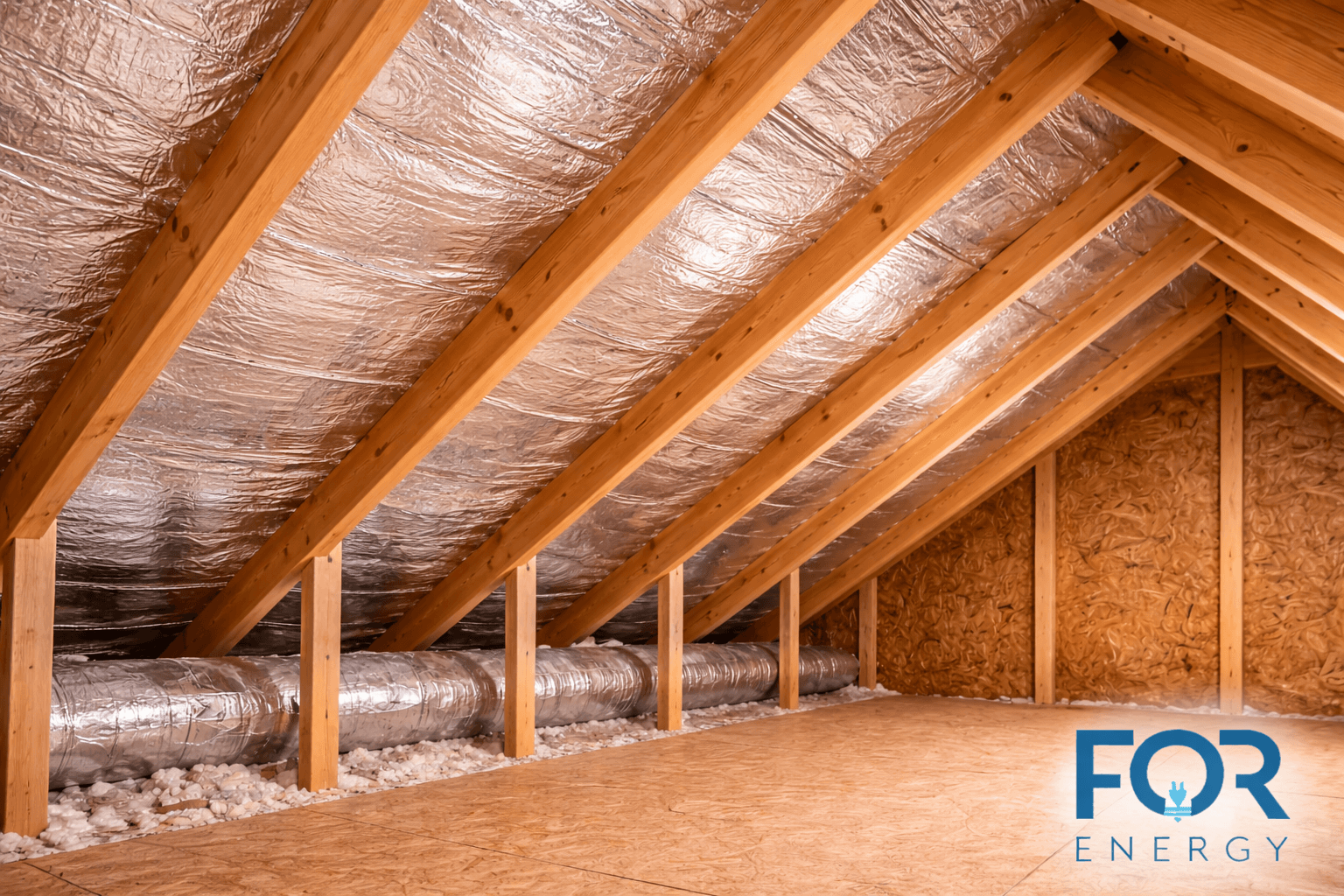
In a sun-drenched climate like Phoenix, a significant portion of heat gain comes from radiant heat, the infrared energy radiated from a hot roof down into the attic. Traditional insulation works by slowing conductive and convective heat flow, but a radiant barrier is specifically designed to combat radiant heat. It consists of a highly reflective material, usually aluminum, that is typically installed on the underside of the roof rafters.
Instead of absorbing heat, a radiant barrier reflects up to 97% of radiant energy back out through the roof. This can significantly lower attic temperatures, which in turn reduces the amount of heat transferring into your home and eases the load on your air conditioning system. The U.S. Department of Energy notes that radiant barriers can reduce cooling costs by 5% to 10% in warm, sunny climates. While not a replacement for thermal insulation, a radiant barrier is a highly cost-effective supplement that enhances the overall performance of your attic system.
Choosing the Right Solution: Factors to Consider
Determining the single most cost-effective attic insulation isn't a one-size-fits-all answer. The best choice for your home depends on a variety of factors. You'll need to consider the age of your home, the amount and condition of any existing insulation, your budget, and your long-term energy-saving goals. For example, if you have damaged or contaminated materials, insulation removal may be necessary before a new installation.
This is where a professional assessment becomes invaluable. A comprehensive home energy audit goes beyond a simple quote. A trained analyst will inspect your attic, use diagnostic tools like blower doors and infrared cameras to pinpoint air leaks, and measure existing insulation levels. This science-based approach identifies the root causes of inefficiency. For a detailed overview of this process, consult our comprehensive guide to home energy checkups. By understanding your home’s unique performance profile, you can receive a tailored recommendation that guarantees the best return on your investment.
Your Path to a More Efficient Phoenix Home
Investing in the right attic insulation and air sealing is one of the most powerful steps a Phoenix homeowner can take to combat high energy bills and improve home comfort. From the excellent value of blown-in fiberglass and cellulose to the superior long-term performance of spray foam and the added benefit of radiant barriers, there is a cost-effective solution for every home and budget. By focusing on science-backed, whole-home solutions, you can address the true sources of energy waste.
At FOR Energy, we are committed to being educators and trusted advisors for homeowners. We believe in empowering you with the knowledge to make confident, informed decisions. Our goal is to help you find the perfect balance of upfront cost and long-term savings, ensuring your home is comfortable, healthy, and energy-efficient for years to come. To start your journey, we invite you to schedule a complimentary Free Home Energy Checkup with our local Phoenix experts today.
FAQs
Q1: What R-value is recommended for attic insulation in Phoenix, Arizona?
A1: For attics in Phoenix (Climate Zone 2), the U.S. Department of Energy recommends an R-value between R-30 and R-60, with R-38 to R-49 often cited as ideal for optimal energy efficiency in the extreme heat.
Q2: How much can I save on electricity bills with new attic insulation in Phoenix?
A2: Proper attic insulation, especially when combined with air sealing, can significantly reduce cooling costs. Homeowners in Phoenix can see savings ranging from 15% to 60% on their heating and cooling costs, depending on existing insulation levels and the chosen solution.
Q3: Is blown-in insulation or spray foam more cost-effective for Phoenix attics?
A3: Blown-in insulation (fiberglass or cellulose) typically has a lower upfront cost and offers a faster return on investment for reaching recommended R-values. Spray foam insulation, while more expensive initially, provides superior air sealing and a higher R-value per inch, leading to greater long-term energy savings and overall home performance in Phoenix's extreme heat.
Q4: Should I consider a radiant barrier in my Phoenix attic?
A4: Yes, a radiant barrier can be a cost-effective addition to traditional insulation in Phoenix's hot climate. It works by reflecting radiant heat away from your attic, reducing heat gain from the sun, and potentially lowering cooling costs by an additional 5-10%.
Q5: Why is air sealing important for attic insulation in Arizona?
A5: Air sealing is crucial because it stops conditioned air from escaping and hot outdoor air from entering your home through gaps and cracks in the attic. Even with adequate insulation, air leaks can severely compromise energy efficiency, making air sealing a fundamental step for maximizing savings and comfort in Phoenix.