-400x299.png&w=1080&q=75&dpl=dpl_Hi6ZKV3Miso167J9igyQX1ihqdht)
Is Your Phoenix Home Losing Energy? Key Signs of Inefficient Windows
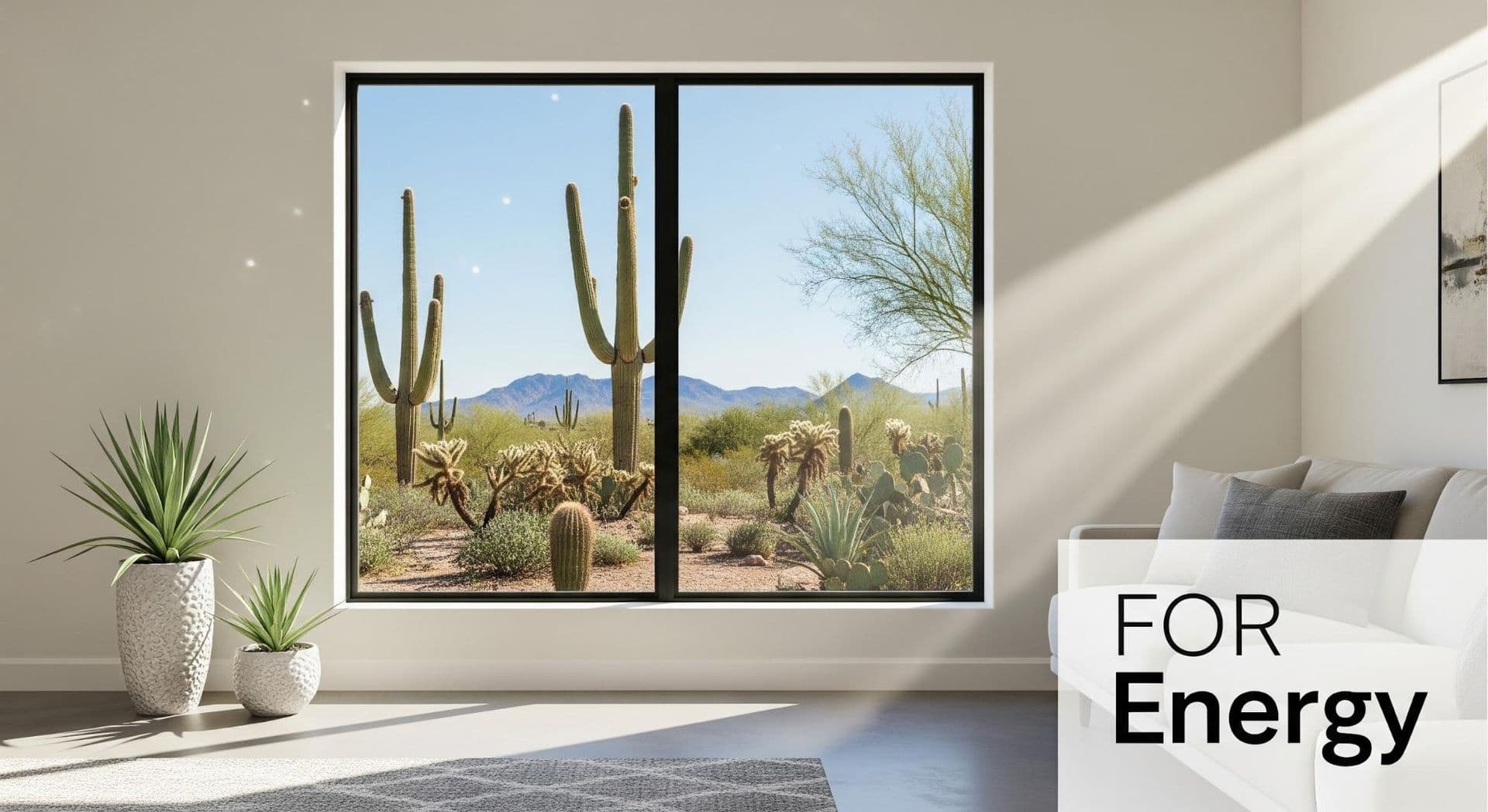
Key Takeaways
Identify clear signs like drafts, fogged panes, and rising energy bills to spot inefficient windows.
Understand how Phoenix's extreme heat uniquely impacts window performance and cooling costs.
Learn how old windows contribute to uncomfortable hot spots and UV damage inside your home.
Discover why addressing inefficient windows is crucial for home comfort and energy savings in Arizona.
A professional home energy checkup can confirm window issues and recommend targeted solutions.
The Hidden Costs of Old Windows in Phoenix
In the Valley of the Sun, your windows are on the front lines, battling relentless heat and intense UV rays year-round. While we often focus on our air conditioners and attic insulation, windows are one of the most critical components of a home's thermal envelope. Old, failing, or poorly designed windows can be silent energy drains, allowing the scorching outdoor heat to infiltrate your living space, forcing your HVAC system to work overtime just to keep up. This not only leads to uncomfortably warm rooms and surprisingly high electricity bills but also undermines other energy efficiency efforts you may have made.
Why Phoenix Homes Need Peak Window Performance
The challenge for any home in the Phoenix area is managing solar heat gain—the increase in temperature caused by sunlight passing through glass. Inefficient windows act like passive heaters, letting in not just light but also a tremendous amount of infrared radiation (heat). This forces your air conditioner into a constant battle against the sun. Modern, high-performance windows are engineered specifically to block this heat while still allowing visible light, forming a crucial barrier that maintains indoor comfort and keeps cooling costs under control. Investing in the right windows isn't a luxury; it's a strategic necessity for comfortable and affordable living in the desert.
Visual Cues: What You Can See
Sometimes, your windows will give you obvious visual clues that they're no longer performing their job effectively. Before you even feel a draft or see a high energy bill, a quick visual inspection can reveal signs that your home's thermal barrier has been compromised. Paying attention to these details can help you identify problems early.
Condensation Between Panes (Fogged Glass)
If you have double- or triple-pane windows and notice a persistent fog, haze, or moisture trapped between the layers of glass, you're looking at a clear sign of seal failure. These windows are designed with an airtight seal filled with an inert gas (like argon) that acts as an insulator. When that seal breaks, the gas escapes, and moisture-laden air gets in. This condensation means the window's insulating value is gone, and it's now performing little better than a single sheet of glass.
Visible Damage to Frames, Sashes, or Seals
Take a close look at the window's entire structure. Do you see cracked or peeling caulk around the exterior? Are wooden frames showing signs of rot, warping, or softness? Is the weather stripping around the sashes brittle, compressed, or missing in sections? Any visible damage indicates a potential pathway for air leakage and heat transfer. These seemingly small flaws can add up to a significant loss of efficiency, making a complete window replacement a more practical solution than a temporary fix.
Fading Furniture or Floors from UV Exposure
Have you noticed that the part of your sofa, rug, or hardwood flooring nearest a window has become faded and discolored over time? This is a direct result of ultraviolet (UV) radiation penetrating the glass. Older windows offer little to no UV protection. Modern energy-efficient windows, however, feature Low-E (low-emissivity) coatings that block a significant portion of UV rays, protecting your valuable furnishings and preventing unwanted solar heat gain.
Sensory & Comfort Cues: What You Can Feel & Hear
Beyond what you can see, your other senses can provide powerful clues about your windows' performance. These are the signs that directly impact your daily comfort, turning your home from a cool sanctuary into a space with frustrating inconsistencies and surprisingly high energy costs.
Drafts or Air Leaks
One of the most common signs of inefficient windows is a noticeable draft. On a windy day, you might feel a slight breeze even when the window is latched shut. A simple test is to slowly move a lit candle or incense stick around the frame; if the flame flickers or the smoke wavers, you have an air leak. These leaks not only let hot air in during the summer but also allow your conditioned air to escape, a problem that effective air sealing can help address throughout the home.
Hot Spots Near Windows
Even with the AC running, do you feel a wave of radiant heat when you stand or sit near a window? This is a classic sign of poor thermal insulation. The glass is absorbing heat from the outside and radiating it into your room, creating uncomfortable hot spots and forcing you to lower the thermostat even further. An efficient window should feel close to room temperature, not like a warm panel.
Difficulty Maintaining Consistent Indoor Temperatures
If your HVAC system seems to be running constantly but some rooms never feel cool enough, your windows could be a major culprit. When windows allow significant heat gain, they create a constant thermal load that your AC struggles to overcome. This can lead to uneven temperatures throughout the house and is often a sign that other systems, like your ducts, may also need attention through services like duct sealing.
Increased Noise from Outside
While not directly an energy issue, poor sound insulation often goes hand-in-hand with poor thermal insulation. If you can hear traffic, neighbors, and other outside noises more clearly than you'd like, it suggests your windows aren't providing a very robust barrier. The features that block heat transfer—multiple panes, insulating gas, and sturdy frames—also happen to be very effective at dampening sound.
Financial Cues: Checking Your Bills
For many homeowners, the most convincing sign of a problem is the one that hits their wallet every month. Your utility bills can tell a story about your home's performance, and a sudden or steady increase can often be traced back to failing components like windows.
Unexpectedly High Electricity Bills
If you've noticed your summer electricity bills climbing higher each year, even without major changes in your habits, inefficient windows are a likely contributor. As windows age and seals fail, they let in more heat, forcing your air conditioner—one of the largest energy consumers in your home—to run longer and harder. Improving your home’s efficiency is one of the best tips for a more energy-efficient home and can lead to significant savings.
Constant HVAC Cycling
Pay attention to how often your air conditioner turns on and off. A system that is constantly cycling is a sign that your home is losing cooled air or gaining heat too quickly. Leaky, inefficient windows are a primary cause, creating a constant need for conditioning that wears on your HVAC equipment and drives up energy consumption. This issue is often compounded by poor home insulation in other areas, like the attic.
The Age & Design Factor: Outdated Windows
Sometimes, a window's inefficiency isn't due to damage but to its original design. Window technology has advanced dramatically over the past few decades. If your home still has its original windows, they may simply be incapable of meeting modern energy standards, regardless of their condition.
Single-Pane Glass
If your windows have only one pane of glass, they offer minimal insulation. A single pane of glass has almost no resistance to heat transfer, making it one of the least efficient materials in your home. Upgrading from single-pane to modern double-pane windows is one of the most impactful energy efficiency improvements you can make. If you want to dive deeper into the mechanics, you can learn more about how energy-efficient windows work and the technology behind them.
Original Builder-Grade Windows
Many homes built in Phoenix decades ago were fitted with basic, inexpensive "builder-grade" windows. These were often aluminum-framed, single-pane units designed to meet minimum code at the lowest cost. Now, 20, 30, or even 40 years later, these windows are far past their effective lifespan and are a significant source of energy loss and discomfort for homeowners.
Beyond the Signs: What to Do Next in Phoenix
Recognizing these signs is the first crucial step toward a more comfortable and efficient home. But pinpointing the exact cause and determining the best solution requires a comprehensive approach. Instead of guessing, you can get a clear, data-driven picture of your home's performance.
The Value of a Professional Home Energy Checkup
The most reliable way to confirm if your windows are underperforming—and to see how they impact your home's entire energy ecosystem—is with a professional assessment. FOR Energy offers a Free Home Energy Checkup. This complimentary 21-point inspection uses diagnostic tools to identify air leaks, insulation gaps, and thermal weaknesses. It provides a science-based evaluation, so you get recommendations based on data, not guesswork.
Why FOR Energy is Your Trusted Partner
At FOR Energy, we are educators first. Our goal is to help you understand the root cause of your home's comfort and efficiency issues. We adhere strictly to Energy Star standards and believe in providing solutions over sales. If your windows are a problem, we can help you explore our energy-efficient window solutions designed specifically for the Arizona climate. If the issue lies elsewhere, we'll show you that, too. When you're ready to make an informed decision, you can easily schedule a consultation to discuss a plan that’s right for your home and budget.
Ready to Experience a More Comfortable, Efficient Phoenix Home?
Don't let inefficient windows drain your comfort and wallet. Take the first step towards a better home today. Schedule your Free Home Energy Checkup with FOR Energy.
FAQs
How can I quickly check my windows for drafts?
Answer: You can perform a simple "candle test." Light a candle or incense stick and slowly move it around the edges of your closed windows. If the flame flickers or smoke moves inward, you likely have an air leak, indicating inefficiency.
Is condensation between window panes always a sign of inefficiency?
Answer: Yes, condensation between the panes of a double or triple-pane window almost always indicates that the seal has failed. This compromises the insulating gas between the panes, significantly reducing the window's energy efficiency.
Can new, energy-efficient windows really save me money in Phoenix?
Answer: Absolutely. In Phoenix's extreme heat, inefficient windows are a major source of heat gain, forcing your AC to work overtime. Upgrading to energy-efficient windows can significantly reduce your cooling costs, improve home comfort, and protect your interiors from UV damage.
What's the difference between window inefficiency and poor home insulation?
Answer: While both affect energy use, window inefficiency specifically refers to heat transfer through glass and around frames. Poor home insulation, on the other hand, relates to heat transfer through walls, attics, and floors. Often, a home has both issues, which is why a whole-home energy assessment is crucial.
Schedule Your
Free Home Energy Check Up!
Recent Posts
Superior Heat Resistance: Cellulose insulation has a high density and R-value, creating an exceptional thermal barrier that effectively blocks the intense radiant heat common in Phoenix.
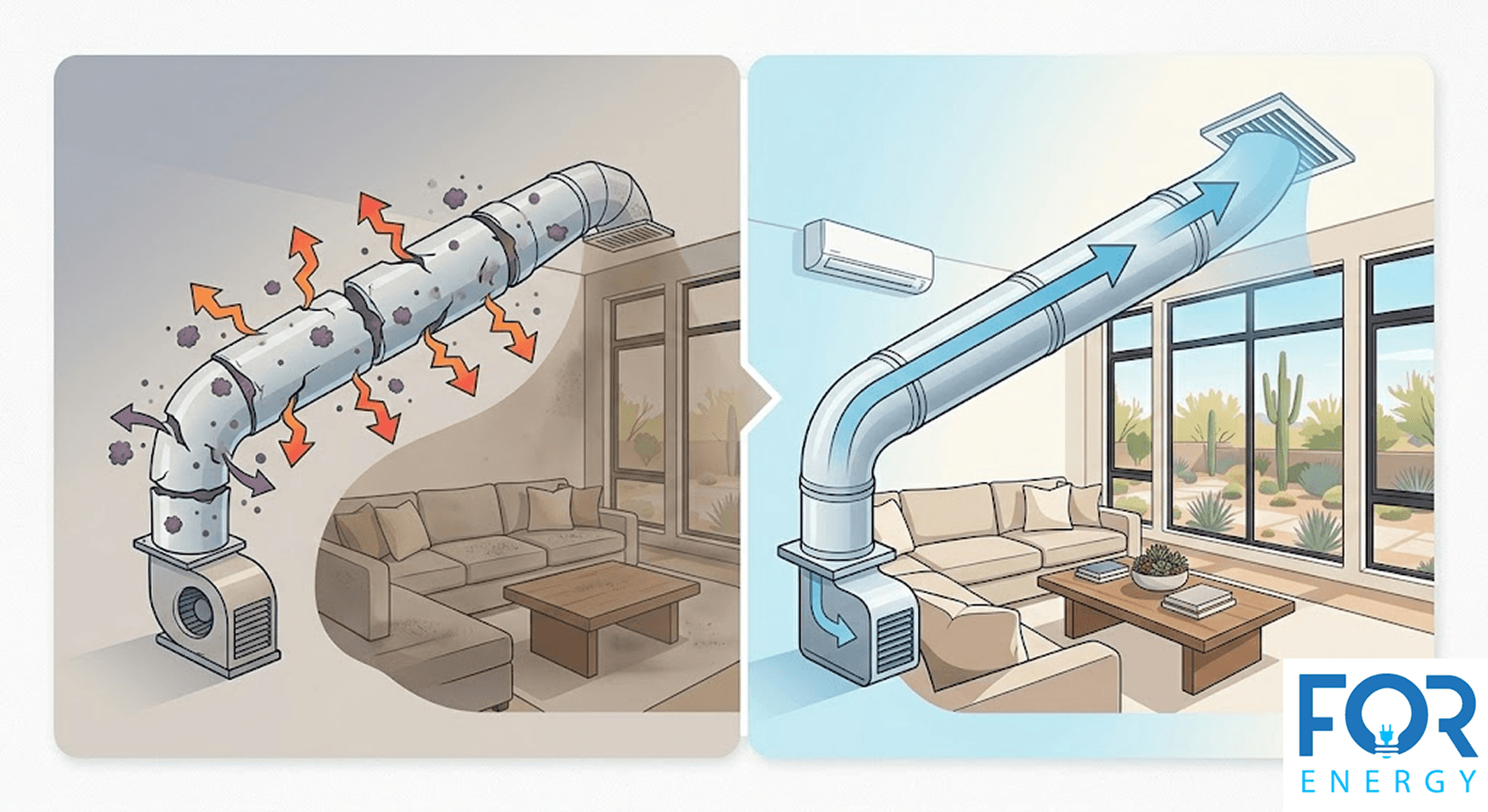
Leaky ducts can account for up to 30% of your home's conditioned air loss, leading to higher energy bills and an overworked HVAC system.
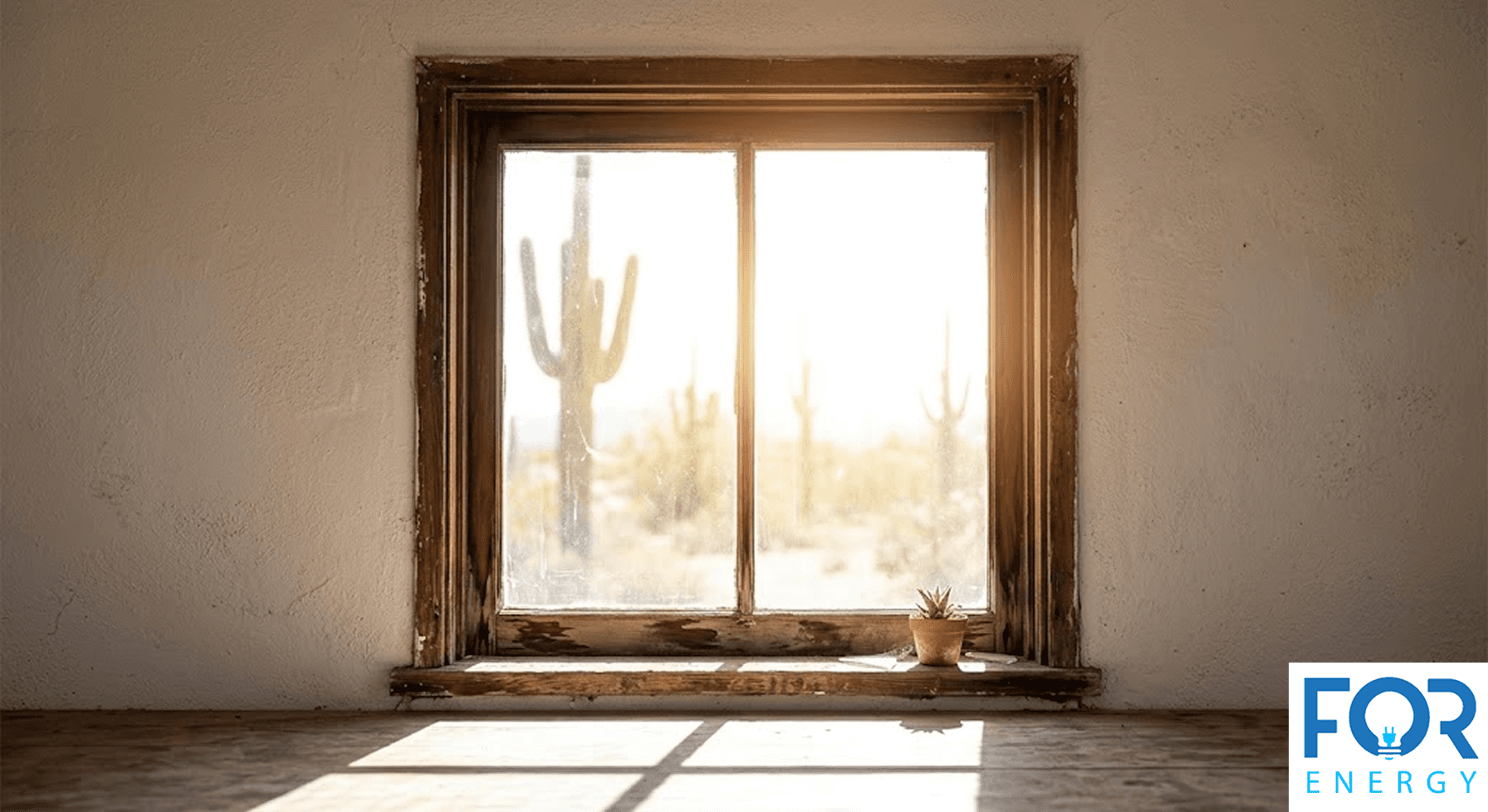
Phoenix Climate Demands Specific Solutions: Standard windows are not built for Arizona's extreme heat. Energy-efficient windows designed for our climate are one of the most effective investments you can make to lower energy bills and improve home comfort.
Featured Customer Review
The whole process with FOR Energy, a local Arizona company, has been a positive experience! Jen was knowledgeable about the pressure check and attic seal, which was the first process, and Tyler performed the check very quickly one evening, which was best for my schedule. I really enjoyed working with Eric on my contract. He was very honest and helped me pick the perfect system for our home. The best part was working with Spencer and Dylan as part of my project management team. They were very informative and responsive to my questions. They helped communicate with the city during the permitting process and kept me up to date with appointments and visits from Titan Solar, APS, and the City of Phoenix muni. I highly recommend FOR Energy! Skip the others, and stay local for your solar needs.
Schedule Your Free Home Energy Checkup With One of Our Experts
We've helped thousands of families get the best value for their money in the past 12 years
Where We Work

Mon-Thu: 8:30 AM- 7:30 PM
Fri: 8:30 AM–5:30 PM
Sat: 9:00 AM–5:30 PM
Sun: Closed