-400x299.png&w=1080&q=75&dpl=dpl_Hi6ZKV3Miso167J9igyQX1ihqdht)
Unlock Savings: How Energy-Efficient Windows Slash Heating & Cooling Costs in Phoenix Homes
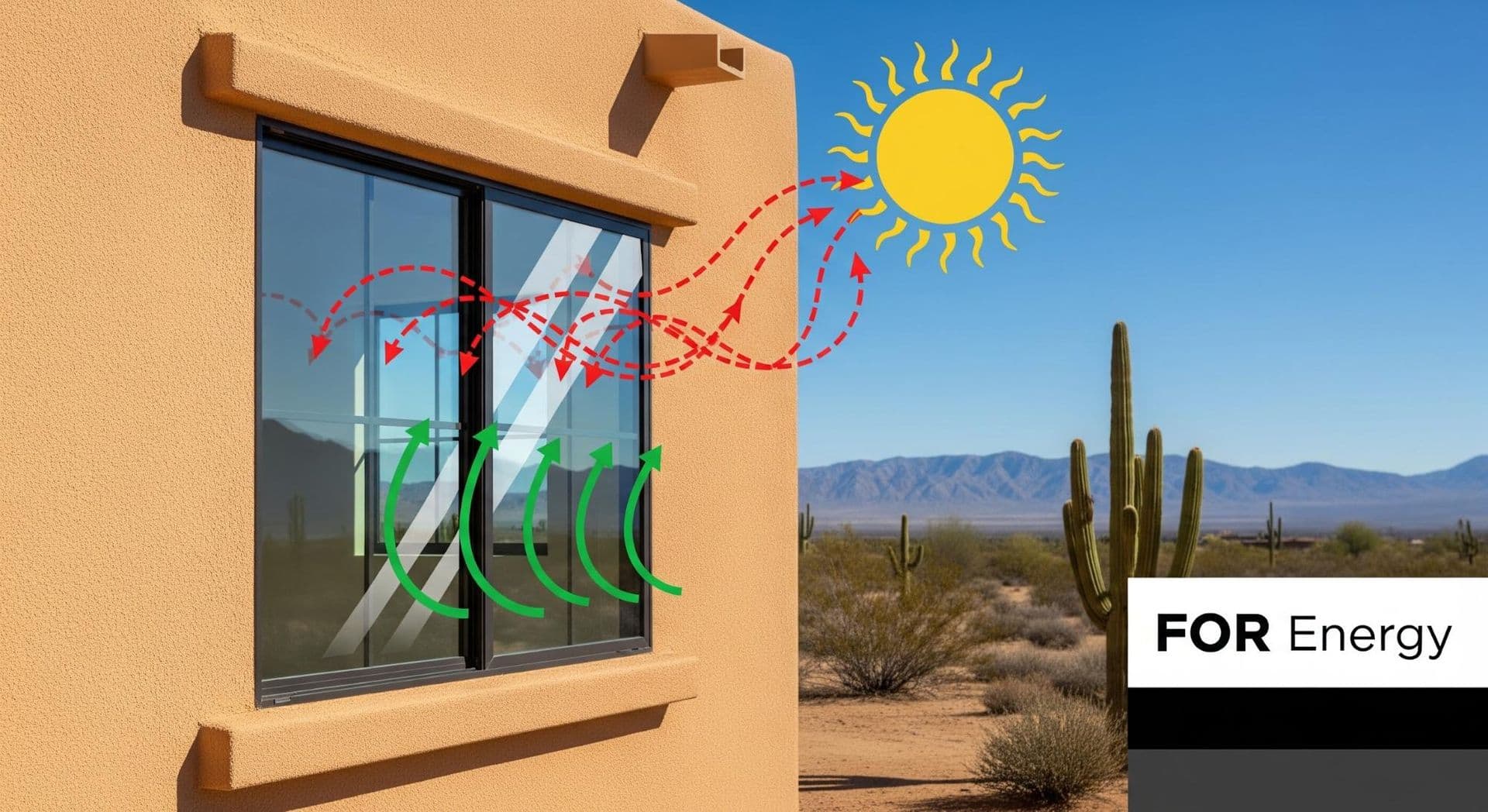
Key Takeaways
Energy-efficient windows significantly reduce home heating and cooling costs, especially in the Phoenix metro area.
Features like Low-E glass, insulated frames, and gas fills actively minimize heat transfer, stabilizing indoor temperatures.
Upgrading your windows can lead to substantial HVAC savings, improved comfort, and increased home value.
FOR Energy's Free Home Energy Checkup can identify personalized window solutions to maximize your savings.
The Phoenix Heat Challenge: Why Window Efficiency Matters More Here
Living in the Phoenix metro area means embracing the sun. But when summer temperatures soar into the triple digits, that same sun can turn your home into an oven and your electricity bill into a source of stress. Your windows are a primary battleground in this fight for comfort and affordability. Older, single-pane, or builder-grade windows are often the weakest link in your home's thermal envelope, acting like massive radiators that transfer outdoor heat directly inside.
This inefficiency forces your air conditioner to work overtime, constantly fighting a losing battle against the relentless Arizona heat. The result? Uncomfortably warm rooms, hot spots near windows, and staggering cooling costs that dominate your budget for months. Even during our mild winters, inefficient windows can let the warmth your furnace generates escape, leading to chilly drafts and wasted energy. For homeowners in our service areas in Phoenix, addressing window performance isn't just an upgrade—it's a fundamental step toward mastering your home's environment and finances. A whole-home approach, which might include Duct Sealing for Home Efficiency or better insulation, is key, but it often starts with the glass.
Understanding the Science: How Energy-Efficient Windows Work to Save You Money
So, what makes an energy-efficient window so effective at reducing heating and cooling costs? It’s not a single feature, but a combination of advanced technologies working together to control heat transfer. Think of it as a highly engineered shield designed specifically for your home. While the technology is complex, the concepts are straightforward and directly impact your comfort and wallet. To truly understand their value, it's helpful to see how energy-efficient windows work from a scientific perspective.
Low-E Coatings: Blocking the Desert Sun's Harmful Rays
One of the most powerful components is the Low-E, or low-emissivity, coating. This is an ultra-thin, transparent layer of metallic oxides applied to the glass. In the context of Phoenix's climate, it's a game-changer. During the summer, the Low-E coating reflects a significant portion of the sun's infrared and ultraviolet (UV) heat energy away from your home before it can pass through the glass and heat your living space. This dramatically reduces solar heat gain, lessening the load on your AC. In the winter, the same coating works in reverse, reflecting the heat from your furnace back into the room, preventing it from escaping outside.
Insulated Frames & Spacers: Preventing Energy Leaks
The glass is only part of the equation. Heat can easily travel through the window frame and the spacer that separates the panes of glass. Older windows often use highly conductive aluminum frames that act as thermal bridges, allowing heat to move freely in and out of your home. Modern energy-efficient window solutions use materials like vinyl, fiberglass, or composite frames with built-in insulation chambers. These materials are far less conductive, effectively stopping heat transfer. Likewise, advanced warm-edge spacers are used between glass panes to minimize temperature differences and reduce the risk of condensation, further enhancing the window's overall performance.
Double & Triple Glazing with Gas Fills: A Superior Thermal Barrier
Single-pane windows offer virtually no insulation. Energy-efficient windows solve this with double or even triple glazing—using two or three panes of glass to create an insulating air gap. To take this a step further, that gap is often filled with a dense, inert gas like argon. Because argon is heavier than air, it is much less prone to convection, meaning it slows the movement of heat from one pane of glass to the other. This gas-filled pocket acts as a powerful thermal barrier, keeping summer heat out and winter warmth in, directly contributing to lower HVAC energy savings and a more stable indoor temperature year-round. Understanding these features is key to interpreting what do Energy Star ratings mean? when selecting new windows.
Beyond the Bill: Comprehensive Benefits for Phoenix Homeowners
While the primary driver for many homeowners is reducing heating and cooling costs, the advantages of modern windows extend far beyond the monthly utility statement. As experts in whole-home performance, the team at About FOR Energy knows these additional benefits create a more comfortable and valuable living space.
First and foremost is improved comfort. Energy-efficient windows help eliminate the hot and cold spots that plague homes with poor insulation. You can sit next to a window on a 110-degree day without feeling radiant heat pour in, and you won’t feel a chilly draft on a cool winter evening. This consistent temperature makes every room more usable and enjoyable. Furthermore, the same multi-pane construction and gas fills that block thermal energy also provide an excellent barrier against outside noise, creating a quieter, more peaceful home environment. Finally, the Low-E coatings that block heat also block up to 99% of harmful UV rays, protecting your furniture, flooring, and artwork from fading over time.
Real Savings in the Desert: What Phoenix Homeowners Can Expect from an Upgrade
The question every homeowner asks is: "How much will I actually save?" While the exact amount varies based on your home's size, the age of your current windows, and your energy habits, the impact is significant. According to the U.S. Department of Energy, homeowners can save hundreds of dollars per year by replacing old single-pane windows with ENERGY STAR® certified models.
In a climate as demanding as Phoenix, those savings are often on the higher end of the spectrum. By drastically reducing solar heat gain, your AC system no longer has to run constantly just to keep up. This not only lowers your electricity bill but also reduces wear and tear on your expensive HVAC equipment, potentially extending its lifespan. A comprehensive evaluation, like our Home Energy Audit Services, can help identify how a window replacement services project fits into your home's overall efficiency plan, alongside other improvements like understanding home insulation. Considering insulation vs. window replacement: which first? is a common and important question that a professional assessment can answer for your specific home.
Is It Time for an Upgrade? Signs Your Windows are Costing You Money
You may not need to be an expert to see the warning signs of inefficient windows. If you're wondering whether an upgrade is necessary, walk through your home and look for these common indicators that your windows are draining your budget:
High Energy Bills: A sudden or steady increase in your cooling costs is a classic sign that your home's thermal envelope is failing, and windows are a frequent culprit.
Visible Drafts or Air Leaks: Can you feel air moving when you stand near your closed windows on a windy day? Are your curtains moving? These drafts mean you are losing conditioned air.
Condensation Between Panes: Fog, frost, or moisture trapped between the layers of glass indicates that the seal has failed, eliminating the insulating benefit of the air or gas fill.
Difficulty Operating: Windows that are difficult to open, close, or lock may have warped frames, which can create significant gaps for air leakage.
Single-Pane Glass: If your windows only have one layer of glass, they offer minimal insulation and cost you a significant amount of money in our climate.
Hot or Cold Surfaces: On a hot day, place your hand on the inside of your window glass. If it feels very warm to the touch, it's transferring a large amount of heat into your home.
Recognizing these signs is the first step toward creating a more efficient home. For more tips for a more energy-efficient home, exploring a professional assessment is your best next move.
Ready to Transform Your Phoenix Home's Efficiency?
Stop letting money fly out the window! Schedule Your Free Home Energy Checkup today with FOR Energy to uncover personalized solutions and start saving significantly on your heating and cooling costs.
FAQs
Do energy-efficient windows qualify for tax credits or rebates in Arizona?
Answer: While specific federal and local incentives can change, energy-efficient home improvements, including certain window installations, may qualify for tax credits or rebates. We recommend consulting with a tax professional or checking current DSIRE (Database of State Incentives for Renewables & Efficiency) resources for the most up-to-date information for Phoenix homeowners.
How long does it take for energy-efficient windows to pay for themselves in Phoenix?
Answer: The payback period for energy-efficient windows varies based on your existing windows, specific product features, and energy usage. However, with significant reductions in heating and cooling costs due to Phoenix's extreme climate, many homeowners see a return on investment within a few years through lower utility bills and increased home value.
What is the most important feature for energy-efficient windows in Arizona?
Answer: For the intense Arizona heat, a window's Solar Heat Gain Coefficient (SHGC) is paramount, indicating its ability to block unwanted solar radiation. A low U-factor (for insulation) is also crucial. Features like advanced Low-E coatings and argon gas fills are essential for optimal performance in our climate.
Can energy-efficient windows also reduce noise from outside?
Answer: Yes, in addition to their thermal benefits, the multiple panes of glass and inert gas fills found in energy-efficient windows create a significantly better barrier against external noise. This can greatly improve the acoustic comfort inside your Phoenix home, making it quieter and more peaceful.
Will new energy-efficient windows require special maintenance?
Answer: Generally, energy-efficient windows are designed for low maintenance, often featuring durable materials and easy-clean glass. Regular cleaning and occasional inspection of seals are typically all that's required to maintain their performance and appearance.
Schedule Your
Free Home Energy Check Up!
Recent Posts
Superior Heat Resistance: Cellulose insulation has a high density and R-value, creating an exceptional thermal barrier that effectively blocks the intense radiant heat common in Phoenix.

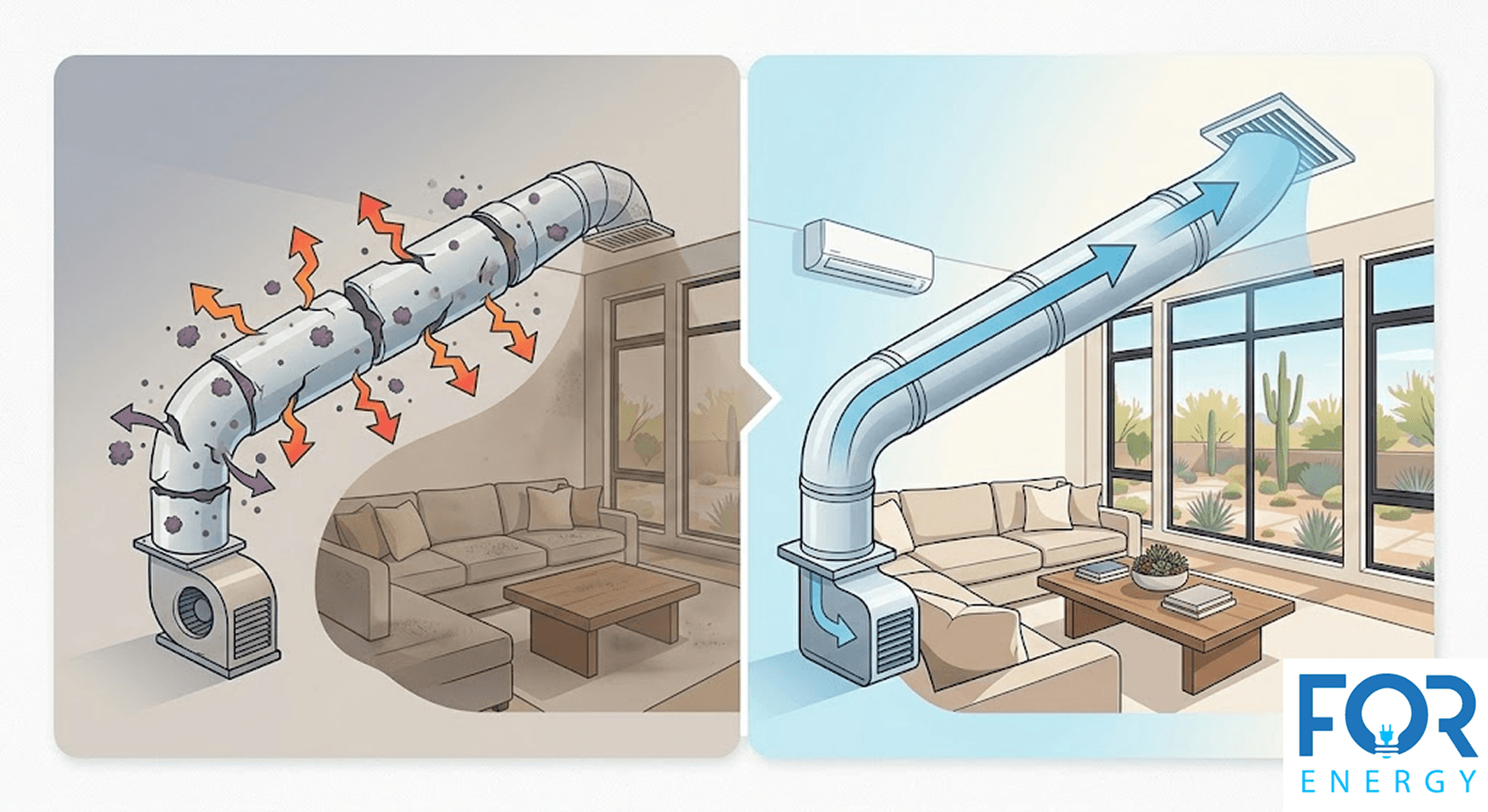
Leaky ducts can account for up to 30% of your home's conditioned air loss, leading to higher energy bills and an overworked HVAC system.
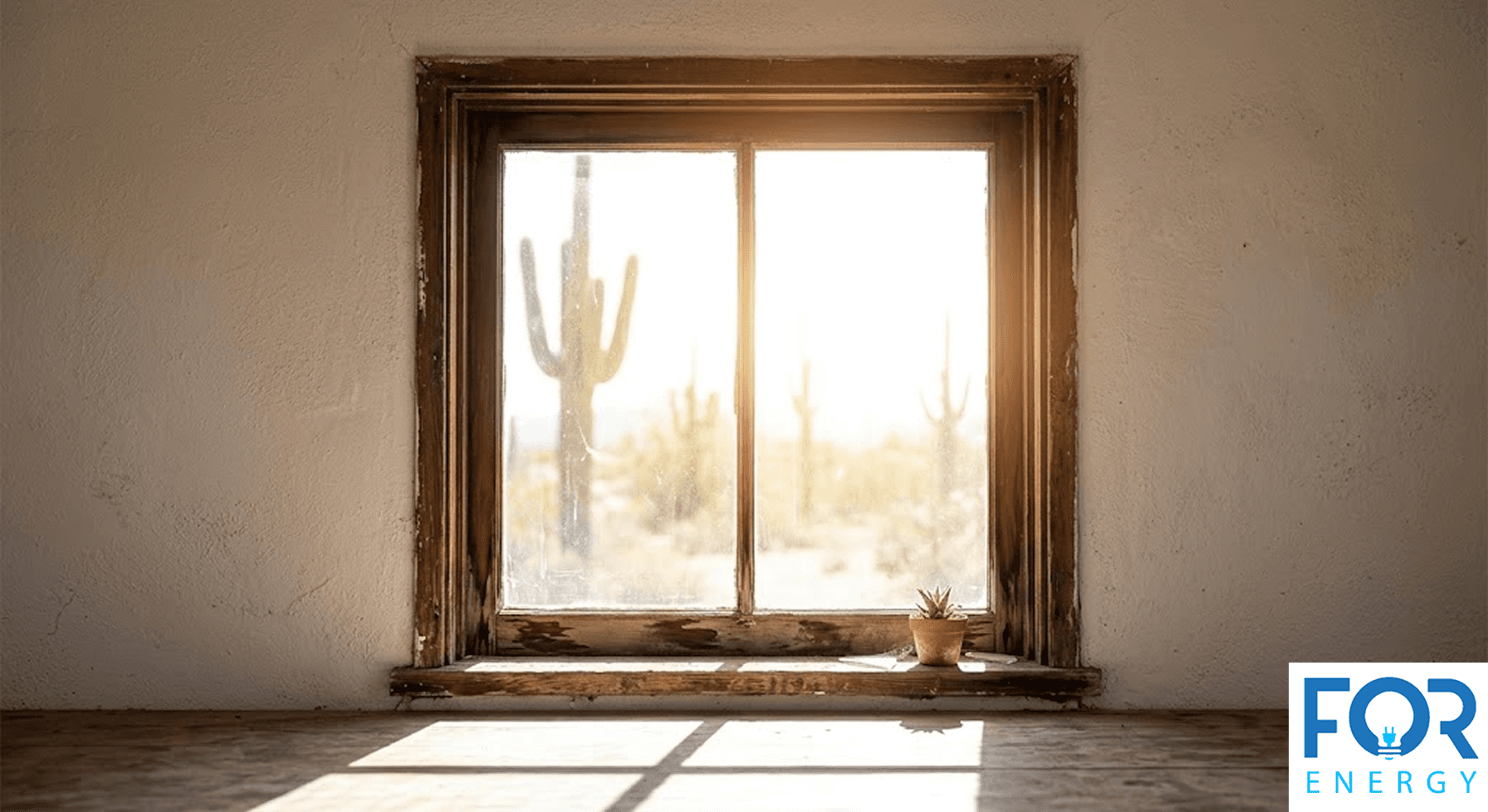
Phoenix Climate Demands Specific Solutions: Standard windows are not built for Arizona's extreme heat. Energy-efficient windows designed for our climate are one of the most effective investments you can make to lower energy bills and improve home comfort.
Featured Customer Review
The whole process with FOR Energy, a local Arizona company, has been a positive experience! Jen was knowledgeable about the pressure check and attic seal, which was the first process, and Tyler performed the check very quickly one evening, which was best for my schedule. I really enjoyed working with Eric on my contract. He was very honest and helped me pick the perfect system for our home. The best part was working with Spencer and Dylan as part of my project management team. They were very informative and responsive to my questions. They helped communicate with the city during the permitting process and kept me up to date with appointments and visits from Titan Solar, APS, and the City of Phoenix muni. I highly recommend FOR Energy! Skip the others, and stay local for your solar needs.
Schedule Your Free Home Energy Checkup With One of Our Experts
We've helped thousands of families get the best value for their money in the past 12 years
Where We Work

Mon-Thu: 8:30 AM- 7:30 PM
Fri: 8:30 AM–5:30 PM
Sat: 9:00 AM–5:30 PM
Sun: Closed