-400x299.png&w=1080&q=75&dpl=dpl_73Rd1Z1oC3NjwfsZ3zJbj3MZgbjF)
How Air Sealing Reduces Energy Bills in Phoenix Homes
Key Takeaways
Air leaks significantly increase cooling costs in Phoenix homes by allowing conditioned air to escape and hot air to infiltrate.
Professional air sealing identifies and closes these hidden gaps, leading to substantial energy savings and enhanced indoor comfort.
Common culprits for air leakage include attics, around windows and doors, and ductwork.
Combining air sealing with proper insulation is the most effective strategy for maximizing energy efficiency in desert climates.
FOR Energy offers a complimentary 21-point home energy checkup to pinpoint energy waste and recommend tailored solutions for Phoenix homeowners.
Why Air Leaks Increase Energy Costs in Phoenix
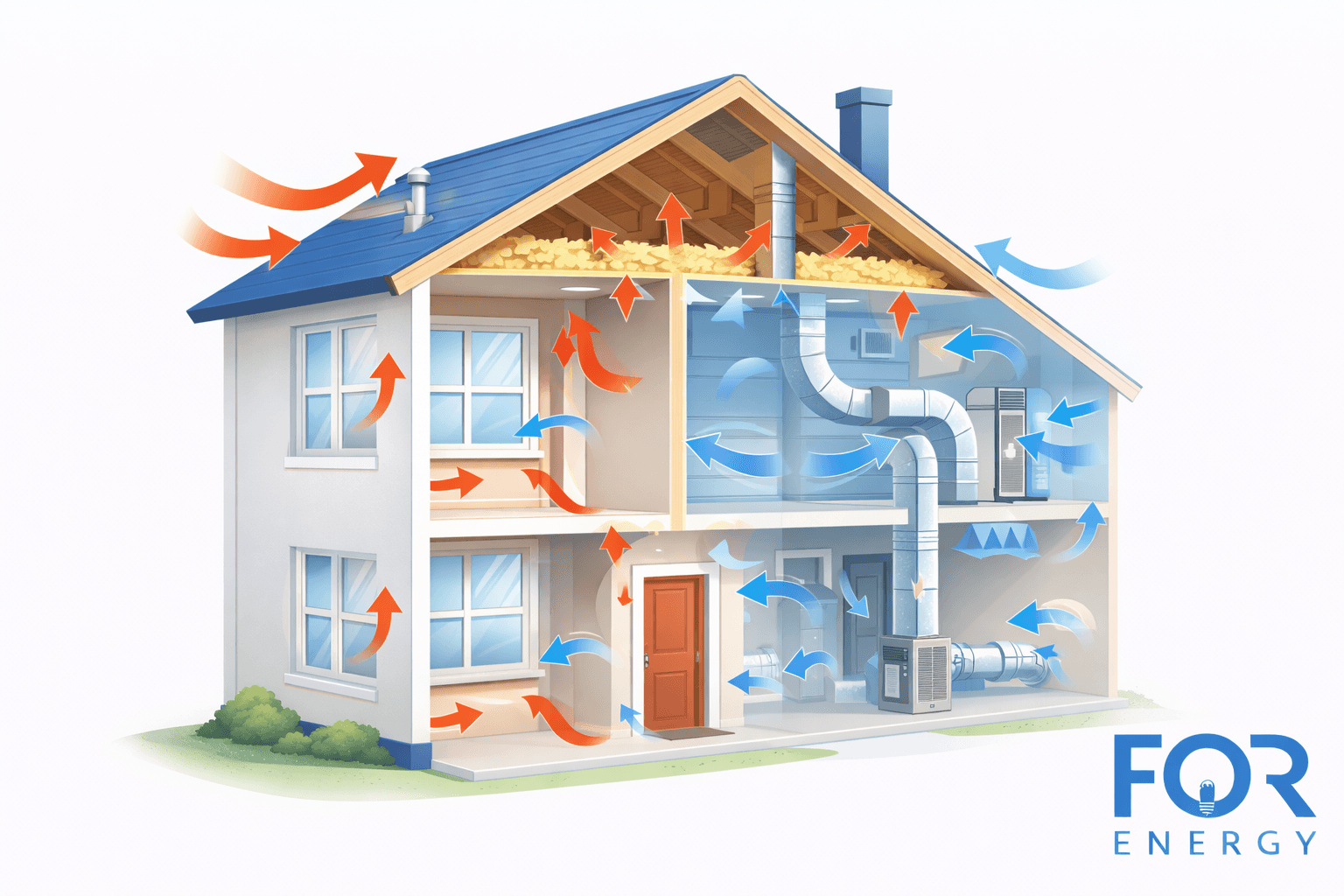
In the intense desert climate of Phoenix, maintaining a cool and comfortable home is a constant battle against the heat. Your home's primary defense is its thermal envelope, the barrier between the conditioned interior and the sweltering outdoors. However, countless tiny, often invisible, gaps and cracks can compromise this barrier, leading to significant air leakage.
This uncontrolled air movement directly impacts your Phoenix cooling costs. When cool, conditioned air escapes, your HVAC system is forced to work harder and run longer to replace it. Simultaneously, hot air infiltration introduces more heat that your system must then struggle to remove. This constant cycle of air exchange is a major source of energy waste in residential buildings. It's like trying to keep a refrigerator cold with the door left ajar. The result is a dramatic increase in energy consumption, which translates directly to higher utility bills, especially during the peak summer months.
Common Areas Where Phoenix Homes Lose Cooled Air
While you might think of drafts around windows and doors, some of the most significant air leaks are hidden from plain sight. In many homes, these unseen gaps collectively can be equivalent to leaving a window open all year long. For Phoenix homeowners, understanding where homes lose the most energy is the first step toward a solution. Common problem areas include:
The Attic: As warm air rises, the attic becomes a primary escape route for conditioned air. Critical leakage points include attic hatches, recessed light fixtures, and penetrations for plumbing, wiring, and vents.
Ductwork: Leaky ductwork, especially when it runs through unconditioned spaces like the attic or crawlspace, is a massive source of energy loss. Instead of delivering cool air to your living spaces, faulty ducts can dump a significant portion of it into areas where it does no good, forcing your HVAC system to work overtime. Professional duct sealing is essential for efficiency.
Windows and Doors: Worn weatherstripping and unsealed gaps around the frames of energy-efficient windows and doors are frequent culprits for hot air infiltration.
Plumbing and Electrical Penetrations: Holes drilled through walls and floors for pipes, wires, and cables create direct pathways for air to move between conditioned and unconditioned areas.
How Air Sealing Improves Home Energy Efficiency
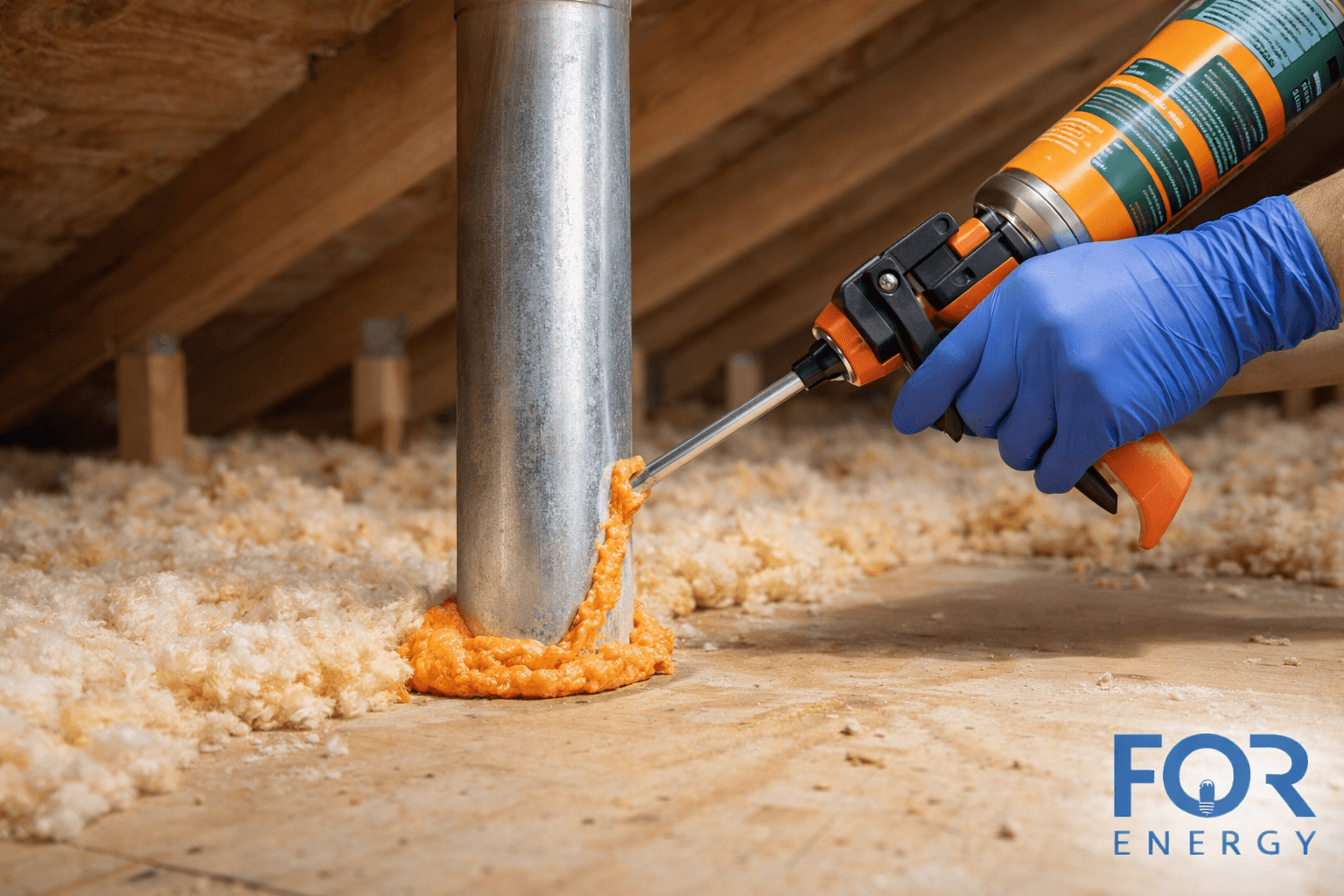
Professional air sealing is the process of systematically identifying and closing these unwanted gaps and cracks throughout your home. By using materials like caulk, spray foam, and weatherstripping, technicians create a continuous air barrier, effectively tightening the home's thermal envelope.
This process dramatically improves home energy efficiency Phoenix by stopping the uncontrolled flow of air. When conditioned air is kept inside, and hot desert air is kept outside, your home maintains its desired temperature for much longer. This stability reduces the overall load and runtime of your cooling system, leading directly to lower energy consumption and substantial air sealing energy savings on your monthly bills.
Beyond Savings: Enhanced Comfort and Air Quality
The benefits of air sealing extend far beyond your wallet. By creating a tighter home, you also enhance indoor comfort and health. Sealing leaks eliminates annoying drafts and helps maintain consistent temperatures from room to room.
Furthermore, a well-sealed home improves your indoor air quality. The same cracks that let air escape also allow dust, pollen, and other outdoor pollutants to enter. By blocking these entry points, professional air sealing helps create a cleaner, healthier living environment for you and your family. The Environmental Protection Agency (EPA) notes that indoor pollutant levels can be significantly higher than outdoors, making this a crucial benefit.
How Air Sealing Reduces HVAC Workload
Your HVAC system is one of the most expensive and hardworking appliances in your home. By minimizing air leakage, you directly reduce its workload. When your home retains its cool air more effectively, the air conditioner doesn't have to cycle on as frequently or run for as long to maintain the thermostat setting.
This reduction in demand not only lowers your energy bills but also reduces the wear and tear on your HVAC equipment. A system that runs more efficiently is less prone to breakdowns and can have a significantly longer lifespan. For Phoenix residents, who rely on their AC for a large portion of the year, this means greater reliability, lower repair costs, and a better return on their investment in home performance solutions.
Energy Savings Phoenix Homeowners Can Expect
Quantifying the exact savings from air sealing depends on factors like the age of the home and the extent of the leakage, but the results are consistently significant. According to the U.S. Department of Energy, homeowners can often reduce their heating and cooling costs by up to 20% or more through comprehensive air sealing and insulation. ENERGY STAR estimates that by air sealing and adding insulation, homeowners can save an average of 15% on heating and cooling costs.
These air sealing benefits Phoenix homeowners experience translate into hundreds of dollars in savings each year, particularly during the scorching summer. This makes air sealing one of the most cost-effective energy-efficient upgrades you can make, often providing a return on investment within just a few years.
Why Air Sealing Works Best With Attic Insulation
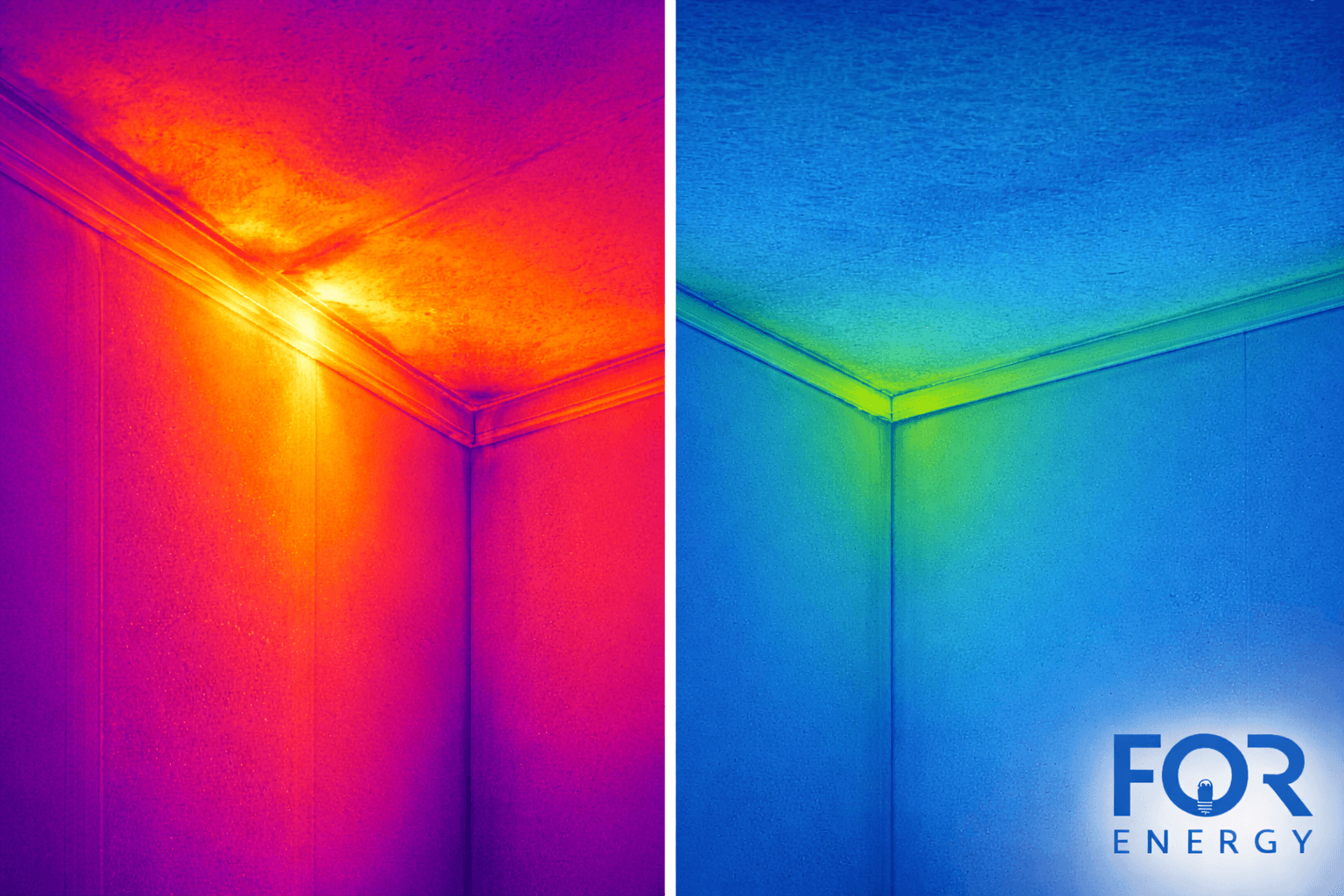
While air sealing is powerful on its own, its effectiveness is maximized when combined with proper home insulation. Think of it this way: air sealing stops the leaks, and insulation resists heat transfer. As explained by the ENERGY STAR program, they are two halves of a whole solution.
In a Phoenix attic, for example, insulation slows the intense solar heat from radiating into your home. However, if there are gaps in the attic floor, hot air will simply bypass the insulation and enter your living space. By performing attic air sealing first, you create a complete barrier. This synergy is crucial; without air sealing, your insulation cannot perform at its peak R-value. Considering which project to tackle first is important, but a comprehensive approach that includes both air sealing and adding insulation like cellulose or fiberglass delivers the highest level of energy efficiency and comfort.
Schedule a Phoenix Home Energy Assessment
The first step to unlocking these savings is understanding where your home is wasting energy. Guesswork isn't enough. FOR Energy offers a complimentary 21-point home energy checkup designed to pinpoint the exact sources of air leakage and energy loss in your home. Our experts use diagnostic tools and a science-backed approach to create a customized plan tailored to your needs.
Stop letting your hard-earned money escape through the cracks. Discover the power of professional air sealing and start your journey toward a more comfortable, efficient, and affordable home. Learn more about maximizing energy efficiency by scheduling your no-cost assessment today.
FAQs
Q: Can air sealing really lower my cooling costs in a hot climate like Phoenix?
A: Yes, air sealing is highly effective in Phoenix. By preventing conditioned air from escaping and hot outdoor air from infiltrating through cracks and gaps, your HVAC system works less to maintain comfort, significantly reducing cooling costs, especially during long Arizona summers.
Q: Where do homes typically lose the most air in Phoenix?
A: In Phoenix homes, significant air leakage often occurs in the attic through recessed lighting, plumbing and electrical penetrations, and attic hatches. Other common areas include gaps around windows and doors, and leaky ductwork that runs through unconditioned spaces.
Q: How much energy can I expect to save after professional air sealing?
A: Homeowners who implement professional air sealing, especially when combined with insulation upgrades, can typically see average savings of 15-30% on their heating and cooling costs, with some projects achieving even higher reductions in energy bills.
Q: Is air sealing enough, or do I need other energy efficiency upgrades?
A: Air sealing is a foundational step for energy efficiency. While highly effective on its own, it works best in combination with proper insulation. Air sealing stops uncontrolled air movement, allowing insulation to perform optimally by resisting heat transfer, creating a more comprehensive thermal barrier.
Q: How does professional air sealing impact my home's comfort and indoor air quality?
A: Professional air sealing significantly improves home comfort by eliminating drafts and maintaining more consistent temperatures throughout your living spaces. It also enhances indoor air quality by reducing the infiltration of outdoor dust, pollen, and pollutants, creating a healthier and more comfortable environment.