-400x299.png&w=1080&q=75&dpl=dpl_Hi6ZKV3Miso167J9igyQX1ihqdht)
Does Removing Compressed or Settled Insulation Boost Your Phoenix Home's R-Value and Energy Efficiency?
Key Takeaways
Compressed or settled insulation significantly reduces its R-value, leading to diminished thermal resistance and increased energy loss in Phoenix homes.
Factors like age, heat exposure, moisture, and improper installation commonly cause insulation to compact and lose effectiveness.
Removing old, ineffective insulation allows for crucial air sealing and the proper installation of new, full-depth insulation tailored to Arizona's climate.
Upgrading insulation after removal can dramatically improve energy efficiency, lower cooling costs, and enhance indoor comfort and air quality.
The Silent Thief: How Insulation Loses Its R-Value Over Time
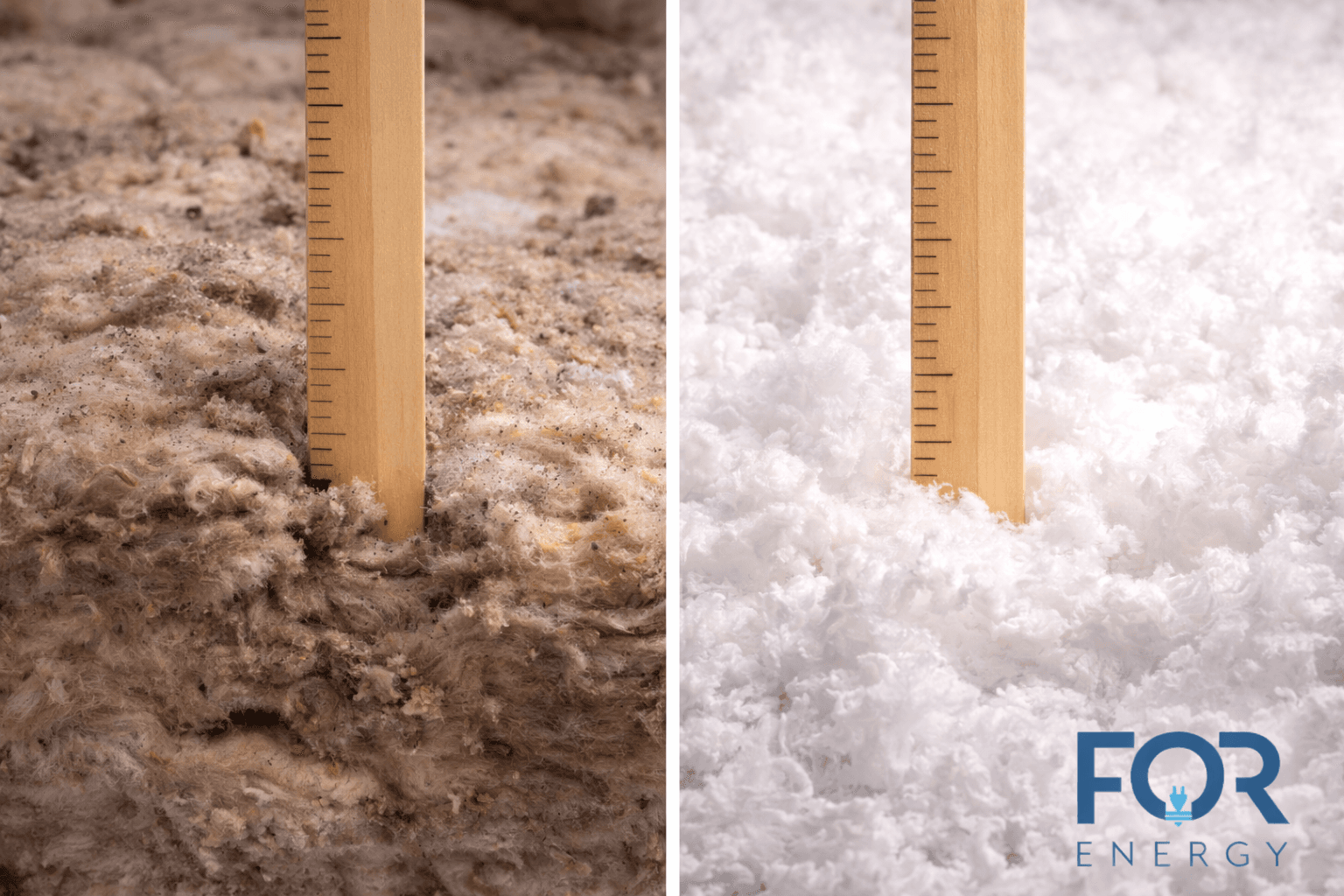
In the relentless heat of a Phoenix summer, your home's insulation is the primary line of defense against scorching outdoor temperatures. Its effectiveness is measured by its R-value, which signifies its ability to resist heat flow. However, this crucial thermal barrier isn't permanent. Over time, insulation can become compressed or settle, and this physical change acts as a silent thief, robbing your home of its protective capabilities. When insulation is compressed, its thickness is reduced, and the tiny air pockets that are essential for trapping heat are diminished. This compaction leads to a direct and significant loss in its overall R-value, making your home more vulnerable to heat intrusion.
What is R-Value and Why Does it Matter in Phoenix?
R-value is a measure of thermal resistance; in simpler terms, it indicates how well a material can stop heat from moving through it. The higher the R-value, the greater the insulating power. In a climate like Phoenix, where summer temperatures can soar, and attics can reach up to 150°F or more, having insulation with a high R-value is not just a luxury; it's a necessity. An effective thermal barrier keeps the intense desert heat out of your living spaces, allowing your air conditioning system to work more efficiently. This directly translates to lower cooling costs, a more comfortable and consistent indoor temperature, and reduced strain on your HVAC equipment.
Common Causes of Insulation Compression and Settling
Several factors contribute to the degradation of your home's insulation, many of which are amplified by Arizona's harsh climate. Understanding these root causes is the first step toward a solution.
Gravity and Age: Over many years, loose-fill insulation materials like cellulose and fiberglass will naturally settle and compact under their own weight.
Moisture: Roof leaks or even high humidity during the monsoon season can introduce moisture into the attic. Wet insulation becomes heavy, causing it to compress and lose its thermal resistance.
Heat: The extreme heat in a Phoenix attic can cause the binding agents in some insulation types to break down over time, leading to a loss of loft and structure.
Physical Disturbance: Foot traffic in the attic for repairs or storage can crush insulation. Improper installation from the start, where batts are stuffed into spaces that are too small, also significantly reduces the intended R-value.
The Impact of Compromised Insulation on Your Home's Performance
When your insulation's R-value is compromised, the consequences ripple throughout your entire home. The most immediate and noticeable effect is a decline in performance, leading to higher costs and decreased comfort. Heat transfer is the primary villain, and with a weakened thermal defense, your home becomes a prime target for energy loss. Homeowners often first notice a problem when they see their utility bills climbing or find it difficult to keep certain rooms cool. For a deeper analysis of your home's performance, a home energy audit can pinpoint exactly where these inefficiencies lie.
Energy Bills and HVAC Strain in the Desert Heat
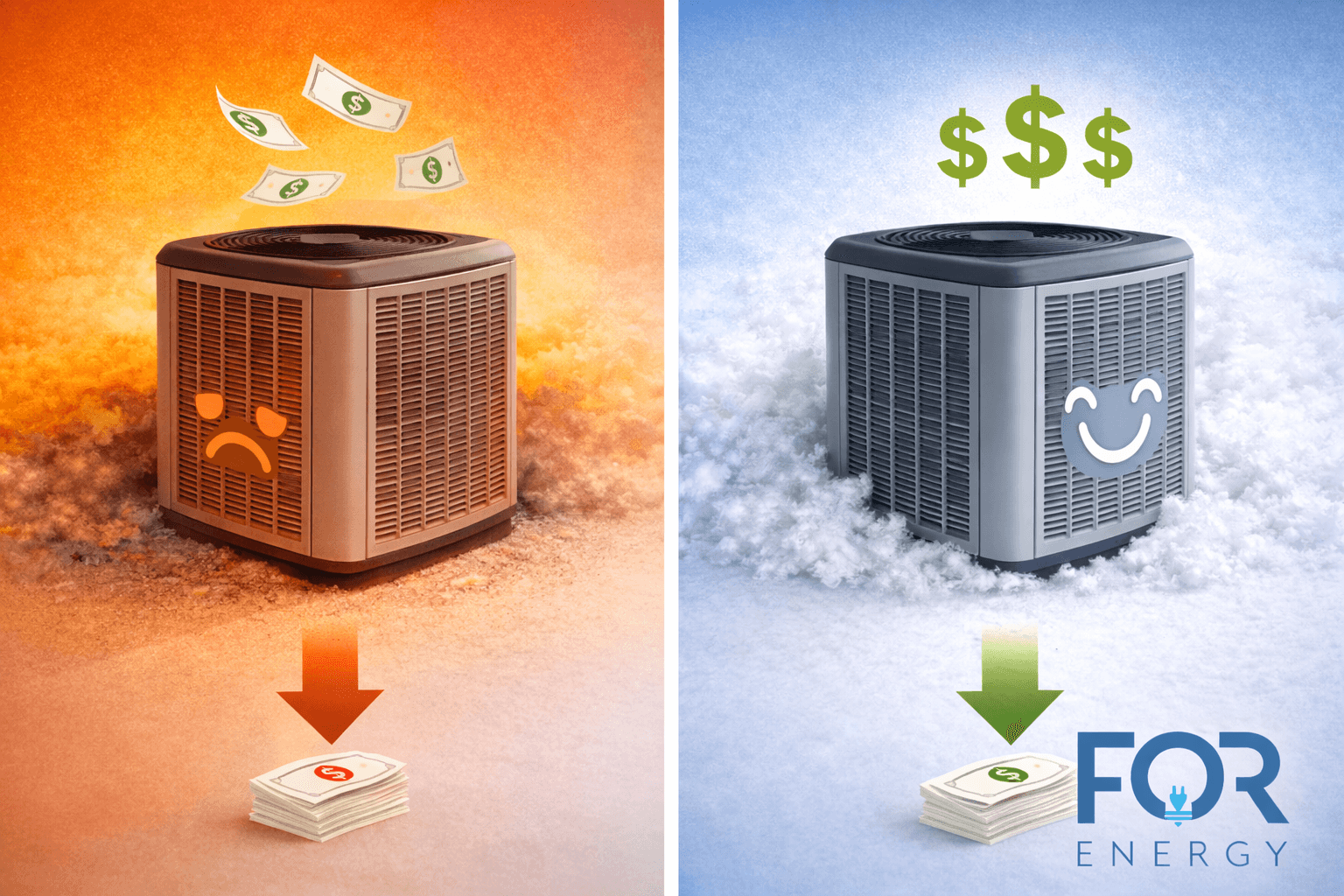
In Phoenix, your air conditioner is the undisputed MVP of your home, but it can't do its job without support. Compressed insulation forces your HVAC system to run longer and harder to maintain the temperature set on your thermostat. This constant operation leads to a dramatic increase in your electricity bill, especially during the peak summer months. The added strain also accelerates wear and tear on your HVAC equipment, potentially leading to more frequent repairs and a shorter overall lifespan. Efficient home insulation is one of the most effective tips for a more energy-efficient home.
Beyond Energy: Comfort, Air Quality, and Hidden Risks
The problems with old, settled insulation extend beyond your wallet. Inconsistent temperatures from room to room are a common complaint. But more serious issues can be lurking unseen in your attic. Old, damp insulation can become a breeding ground for mold and mildew, which can release spores into your home's air, triggering allergies and respiratory issues. Furthermore, pests like rodents and insects are often attracted to old insulation for nesting, bringing with them contaminants and dander. In homes built before the 1980s, there's also a risk that insulation could contain hazardous materials like asbestos, which poses serious health risks if disturbed. Degraded insulation contributes to poor indoor air quality and is a key sign of knowing how to tell if attic insulation needs replaced.
The Strategic Advantage of Removing Old, Ineffective Insulation
Simply adding a new layer of insulation on top of old, compressed material is like putting a clean bandage on a dirty wound; it doesn't address the underlying problems. The most effective root-cause approach is a professional insulation removal. This crucial step is not just about disposal; it's about preparing your attic for a high-performance thermal upgrade that will serve your Phoenix home for years to come.
Creating a Clean Slate for Optimal Performance
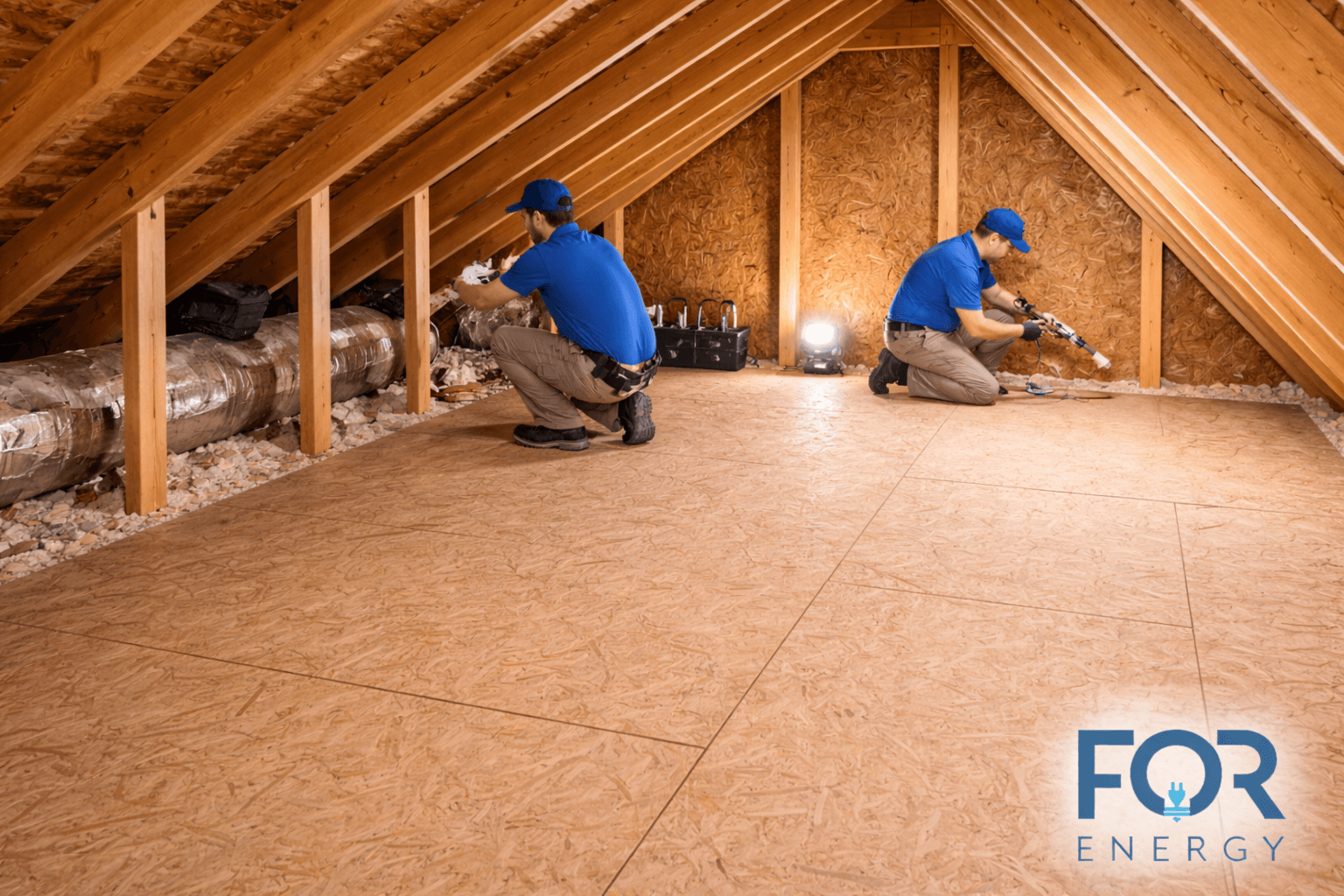
Removing old insulation completely clears the attic floor, creating a clean slate. This is critically important for two reasons. First, it allows technicians to see and access the entire attic deck to perform comprehensive air sealing. Sealing these gaps and cracks prevents conditioned air from leaking out and unconditioned attic air from getting in, a step that is essential for maximizing insulation performance. Second, a bare attic allows for a thorough inspection for any hidden issues like water damage, pest infestations, or improper wiring that were previously hidden beneath the old material.
Achieving Recommended R-Values for Arizona's Climate
Once the old material is gone and the attic is properly sealed, new insulation can be installed to its full, specified depth without being compressed or compromised. This ensures it achieves its maximum intended R-value. For the Phoenix climate (Climate Zone 2), the U.S. Department of Energy (DOE) recommends an attic R-value between R-30 and R-60. Achieving at least an R-38 to R-49 level is often the target to effectively combat the intense desert heat and significantly improve your home's energy efficiency.
The Process: From Removal to R-Value Restoration
Restoring your home's thermal barrier is a systematic process best handled by professionals who understand the science behind building performance. It starts with a thorough evaluation, like a complimentary home energy checkup, to identify the core issues. You can schedule a consultation to understand the specific needs of your home. A comprehensive home energy checkup provides a complete picture of your home's efficiency.
Professional Insulation Removal and Air Sealing
The first step is the safe and complete removal of the old, underperforming insulation using specialized equipment. This process contains dust and debris, protecting your home's air quality. Following removal, the critical work begins: technicians meticulously seal air leaks in the attic floor around light fixtures, plumbing pipes, and wall joints. This air sealing process stops the "stack effect," where air moves uncontrollably through your home, and is a foundational step for any effective insulation project.
Installing New, High-Performance Insulation
With a clean and sealed attic, new, high-performance insulation is installed. Modern materials like blown-in fiberglass or cellulose are often used because they can fill every nook and cranny, creating a complete and seamless thermal blanket. The material is blown to a precise depth to ensure the target R-value is met across the entire attic, guaranteeing optimal performance and long-term energy savings.
Reclaiming Comfort and Savings: The Long-Term Benefits
Investing in the removal of old, compressed insulation and upgrading to a properly installed, high-R-value system is a powerful investment in your home's future. The benefits go far beyond just a lower energy bill. You are reclaiming a consistently comfortable living environment, free from hot spots and drafts. You are improving your family's health by reducing the circulation of dust, allergens, and potential contaminants. Ultimately, you are adopting a root-cause solution that boosts your home's energy efficiency, enhances its value, and provides peace of mind for decades to come.
FAQs
Q1: How does compressed insulation lose its R-value?
A1: Insulation loses its R-value when compressed because its thickness is reduced, and the air pockets essential for trapping heat are diminished. R-value is directly proportional to thickness, so a thinner, denser layer offers less resistance to heat flow.
Q2: What causes insulation in Phoenix homes to become compressed or settled?
A2: Insulation in Phoenix homes can settle due to gravity over time, especially loose-fill types. Factors like high attic temperatures, moisture accumulation from leaks or humidity, vibration, and improper installation can accelerate compression and settling.
Q3: Can I just add new insulation over old, compressed insulation?
A3: While it might seem like a shortcut, simply adding new insulation over old, compressed material is not recommended. It won't address underlying issues like air leaks, potential contaminants, or structural problems, and the new insulation may not perform at its optimal R-value.
Q4: What are the benefits of removing old insulation before installing new?
A4: Removing old insulation allows for a thorough inspection of your attic, proper air sealing to prevent leaks, elimination of contaminants (mold, pests), and ensures new insulation can be installed correctly at its full depth to achieve its intended R-value and maximize energy efficiency.
Q5: What R-value is recommended for attics in Phoenix, Arizona?
A5: For attics in the Phoenix metro area (Climate Zone 2), the U.S. Department of Energy (DOE) recommends an attic insulation level between R-30 and R-60, with R-38 minimum and R-49 often recommended, to effectively combat the extreme desert heat and reduce cooling costs.