-400x299.png&w=1080&q=75&dpl=dpl_Hi6ZKV3Miso167J9igyQX1ihqdht)
Does Attic Insulation Improve HVAC System Efficiency in Phoenix Homes?
Key Takeaways
Proper attic insulation is crucial for HVAC efficiency in Phoenix, acting as a thermal barrier against extreme heat.
It drastically reduces heat transfer from scorching attics (often 140-180°F) into living spaces, cutting cooling demand.
Improved insulation leads to shorter HVAC cycles, lower energy consumption (15-30% savings), and extended system lifespan.
For Phoenix homes, achieving an R-value of R-38 to R-60 is recommended by the U.S. Department of Energy.
FOR Energy offers science-backed, whole-home solutions, including free 21-point home energy checkups, to address root causes of inefficiency.
The Unseen Battle: Why Phoenix Attics Challenge Your HVAC System
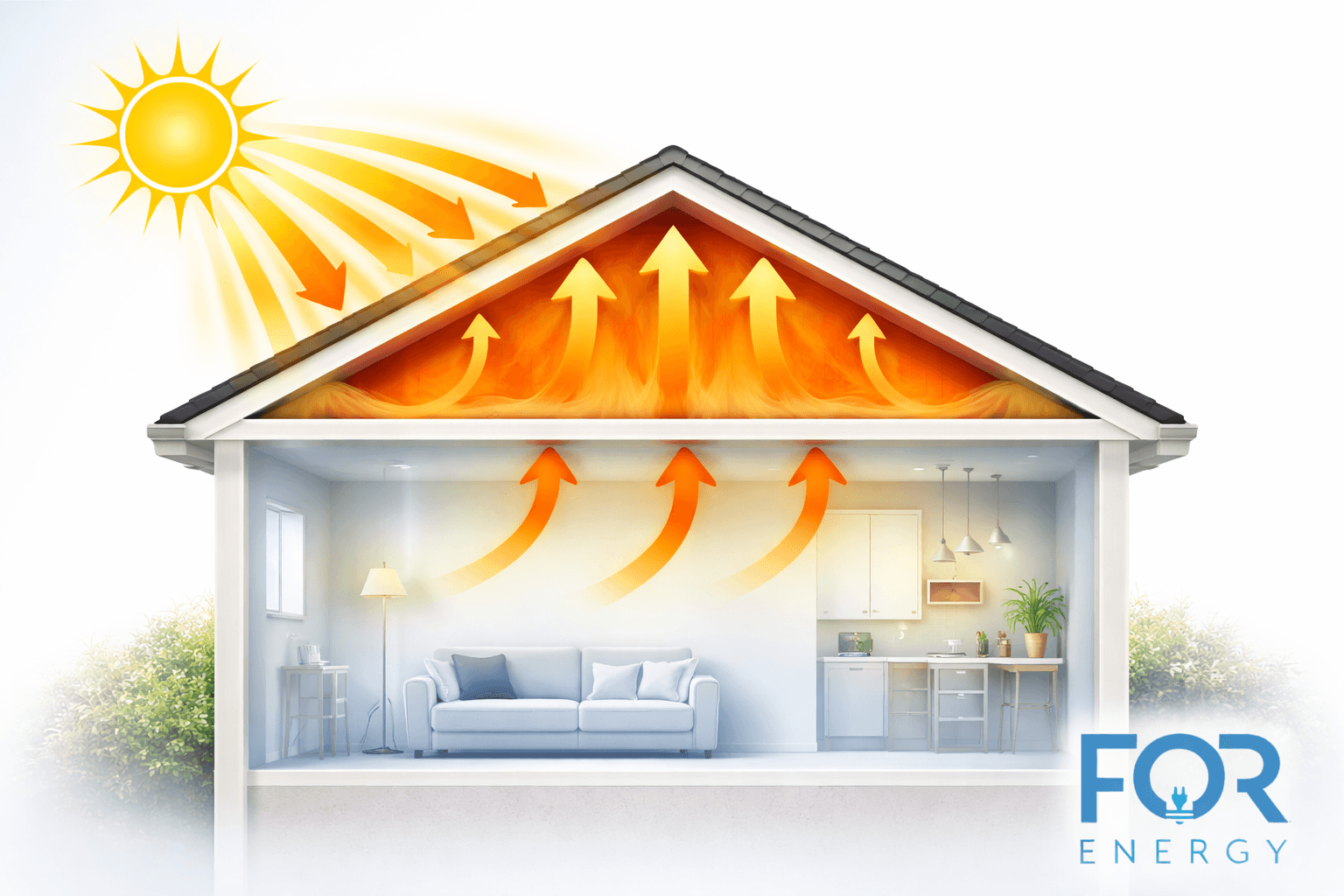
In Phoenix, the summer sun is relentless, and your roof absorbs its full force. This creates an oven-like environment in your attic, where temperatures can soar to a staggering 140-180°F. This superheated air doesn't just stay put; it actively works to invade your living space, forcing your HVAC system into a constant, uphill battle. The primary culprit is a natural process called heat transfer, which relentlessly pushes warmth from the unconditioned attic into your cooler, conditioned rooms.
For homeowners in Phoenix, an under-insulated attic is a major source of energy waste and discomfort. This extreme temperature difference creates significant thermal stress, compelling your air conditioner to run longer and harder just to maintain the temperature you set on the thermostat. It's an inefficient, expensive cycle that puts immense strain on your cooling equipment. Understanding how this heat moves is the first step toward stopping it.
How Heat Transfers Through Your Attic
Heat always moves from a warmer area to a cooler one, and it does so in three distinct ways. The U.S. Department of Energy explains these mechanisms as conduction, convection, and radiation. In a Phoenix attic, all three are working against your comfort and your wallet.
Conduction: Heat transfer through direct contact. The sun heats your roof shingles, and that heat is conducted through the roofing materials, decking, and wooden rafters, warming the air inside the attic.
Convection: As the air inside the attic heats up, it circulates in currents. This warmer, lighter air moves throughout the attic, transferring heat to the ceiling of the rooms below.
Radiation: This is perhaps the most significant factor in a Phoenix attic. The underside of your hot roof deck radiates waves of heat downward onto the attic floor (the top of your ceiling). This radiant heat warms the ceiling materials, which then transfer that heat into your living space.
Without an effective thermal barrier, these three forces ensure that your attic becomes a massive radiator sitting on top of your house, undermining your HVAC system's efforts to keep you cool.
The Thermal Shield: How Attic Insulation Enhances HVAC Performance
Proper attic insulation acts as a powerful thermal shield, creating a critical barrier that dramatically slows down all three forms of heat transfer. By resisting the flow of heat, insulation keeps the extreme temperatures of your attic from infiltrating your conditioned living spaces. This separation is the key to improving your HVAC system's performance and efficiency.
When your attic is well-insulated, the heat gain from the roof is contained within the attic itself and doesn't easily penetrate your ceilings. As a result, your air conditioner doesn't have to fight a constant invasion of warmth. It can reach your desired indoor temperature more quickly and, more importantly, maintain it with significantly less effort. This leads to shorter run cycles, reduced energy consumption, and a more consistently comfortable home. The insulation essentially gives your HVAC system a much-needed break, allowing it to operate as intended rather than running continuously in a desperate attempt to keep up.
Understanding R-Value for Phoenix Homes
The effectiveness of insulation is measured by its R-value, which indicates its ability to resist heat flow. The higher the R-value, the greater the insulating power. For the hot climate in Phoenix (Climate Zone 2), the U.S. Department of Energy recommends an attic insulation level between R-30 and R-60. While R-30 is a minimum, achieving an R-value of R-38 to R-49 is often the optimal target for providing substantial thermal resistance and maximizing your return on investment.
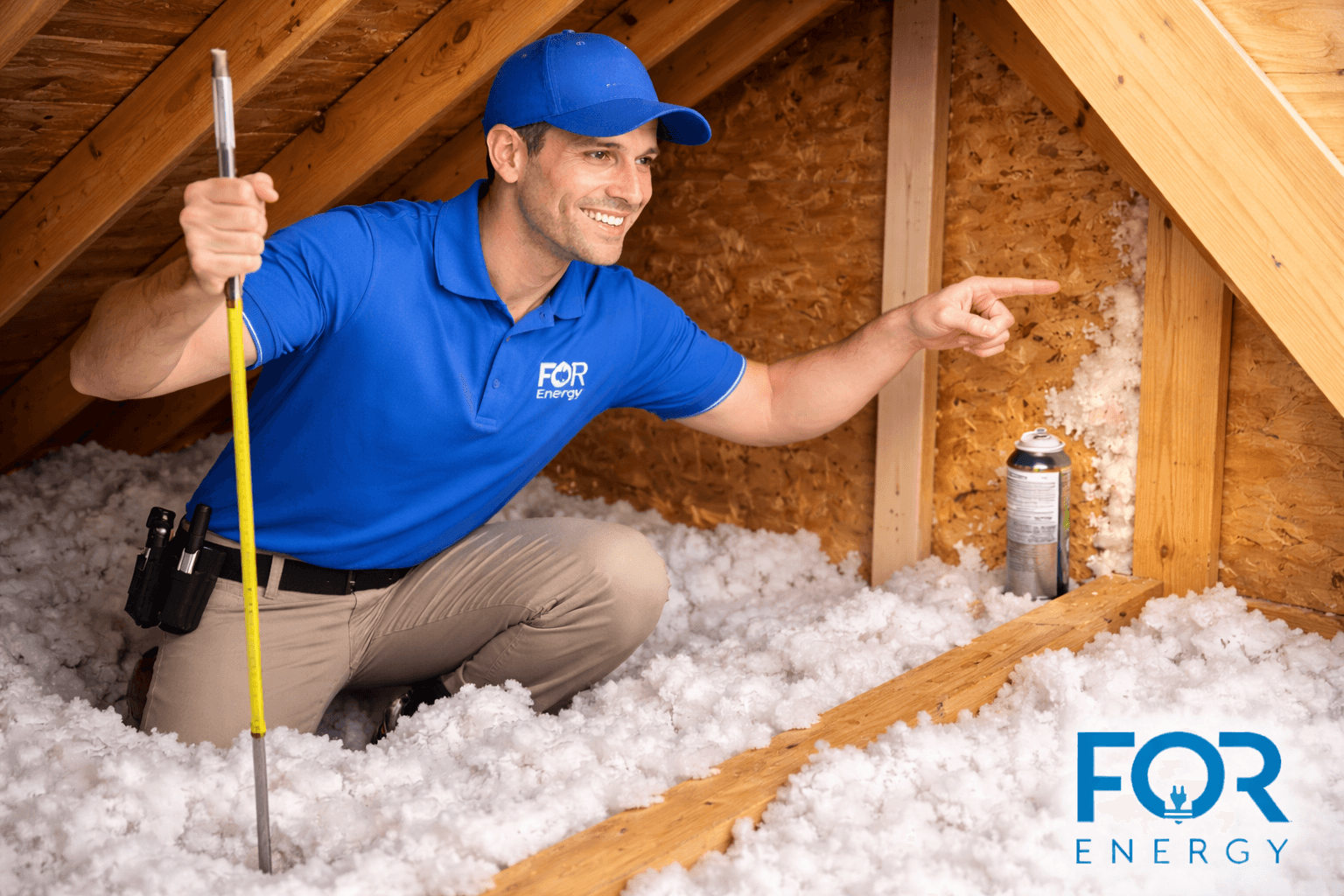
Most older homes in the Valley fall far short of these recommendations. If you can see the tops of your ceiling joists in the attic, it's a clear sign that your insulation is inadequate. Bringing your home up to the recommended R-value is one of the most impactful energy-efficient upgrades you can make.
Tangible Benefits: Energy Savings and Extended HVAC Lifespan
Upgrading your attic insulation isn't just about comfort; it's a direct investment in your home's financial and mechanical health. The most immediate and noticeable benefit is a significant reduction in your energy bills. By creating a robust thermal barrier, proper insulation can lower heating and cooling costs by an average of 15%, according to the EPA's ENERGY STAR program. Some studies show that improved insulation can cut cooling costs by up to 50% in hot climates. This translates to substantial savings on your monthly electricity bills, especially during the peak summer months in Phoenix.
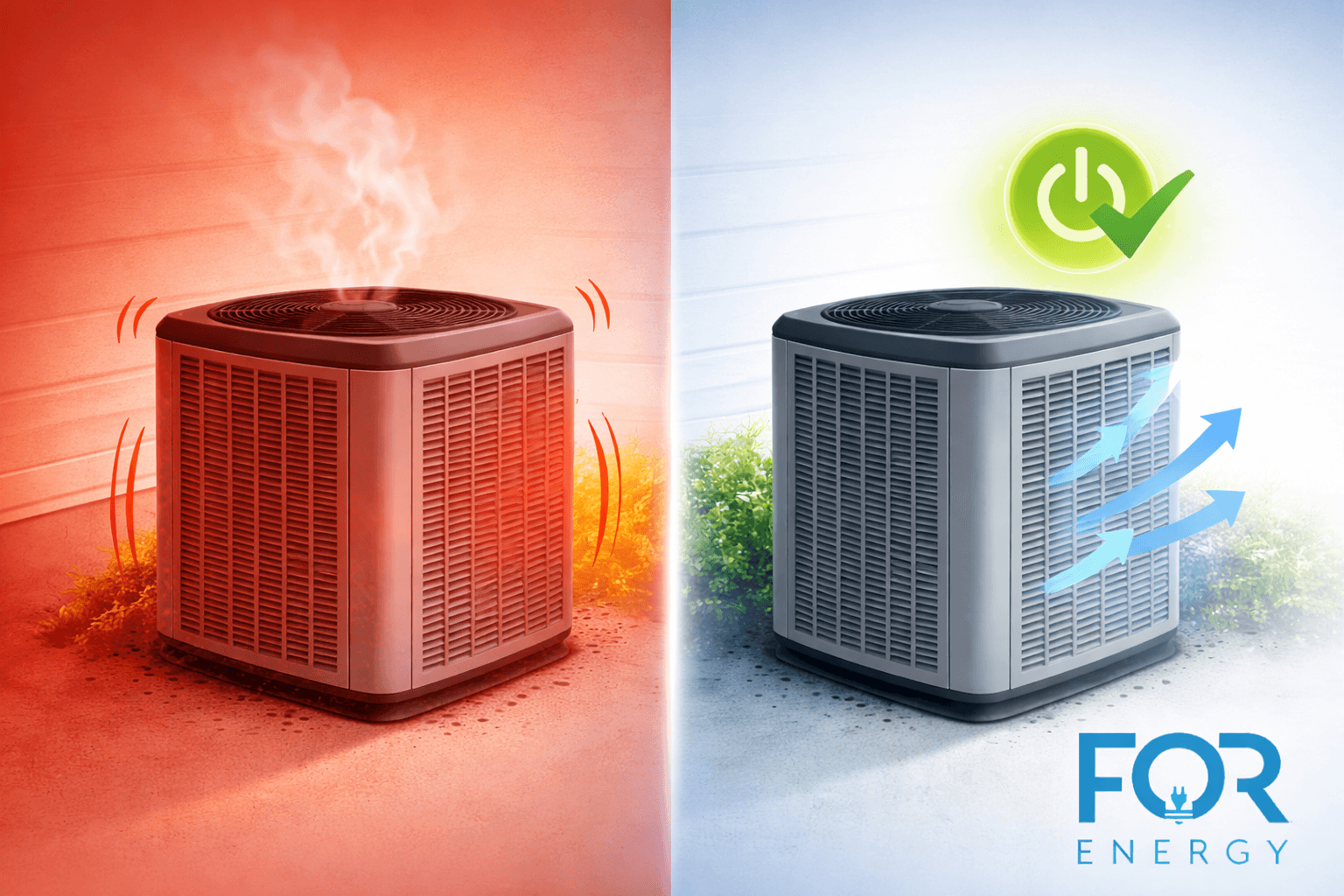
Beyond the savings, insulation plays a crucial role in extending the lifespan of your HVAC system. Poor insulation forces your air conditioner to run almost constantly, causing excessive wear and tear on critical components like the compressor and fan motors. This continuous operation leads to more frequent breakdowns and a shorter operational life. By reducing the system's workload and allowing for shorter, less frequent cycles, proper insulation minimizes this mechanical strain. An HVAC system in a well-insulated home can last years longer than one in a home that is constantly battling heat gain.
Signs Your Phoenix Home Needs Attic Insulation for HVAC Support
How do you know if inadequate attic insulation is forcing your HVAC system to struggle? Your home often provides clear clues that it's losing the battle against heat. Recognizing these signs is the first step toward addressing the root cause of your home’s performance issues.
Common indicators include:
High Summer Energy Bills: If your cooling costs seem disproportionately high despite having a modern AC unit, your attic is likely a major source of heat gain.
Excessive AC Runtime: Does your air conditioner seem to run constantly throughout the day, struggling to reach or maintain the set temperature? This is a classic sign that it's fighting a losing battle against heat infiltration from the attic.
Uneven Temperatures: If your upstairs rooms are noticeably warmer than the downstairs, it's a strong indication that heat from the attic is radiating downwards into the upper floor.
Hot Spots on the Ceiling: In severe cases, you might even feel warmth when placing your hand near the ceiling on a hot day. This means heat is actively conducting through the drywall.
Rapid Heat-Up: When the AC cycles off, does your home get warm again very quickly? A well-insulated home should retain its cool air for much longer.
These are not just comfort issues; they are direct symptoms of an overworked HVAC system calling for help.
A Whole-Home Approach: Beyond Just Insulation
While attic insulation is a cornerstone of an energy-efficient home, it's most effective when viewed as part of a complete system. This is the core of FOR Energy's "Home Performance with Energy Star®" philosophy. True home performance comes from understanding how all the components of your house work together. For instance, before adding insulation, it's critical to perform air sealing.
As detailed in our post about air sealing before attic insulation, small gaps and cracks in your ceilings, around light fixtures, and near plumbing penetrations can allow conditioned air to escape into the attic and superheated attic air to enter your home. Sealing these leaks is a crucial first step. Similarly, leaky ductwork can be another major source of inefficiency. If your ducts run through the attic, ensuring proper duct sealing prevents your cooled air from being wasted in a 150°F space. By taking a whole-home approach, we address the root causes of energy loss, not just the symptoms, leading to more comprehensive and lasting improvements than a single upgrade can provide. This strategy is key to creating a truly comfortable and efficient living environment, which is a big part of our tips for a more energy-efficient home.
Optimize Your Home's Performance with FOR Energy
At FOR Energy, we believe in solving problems, not just selling products. Our approach is rooted in building science and a commitment to educating homeowners. We don't use high-pressure sales tactics; instead, we focus on a discovery-based consultation that empowers you with the knowledge to make informed decisions for your home. We adhere strictly to the high standards set by ENERGY STAR to ensure that our solutions deliver real, measurable results in comfort, air quality, and energy efficiency.
Our process begins by identifying the root cause of your home’s performance issues. Instead of guessing, we analyze. This commitment to a "solution over profit" mindset ensures that our recommendations are tailored to your specific needs. If you're tired of high bills and inconsistent comfort, it’s time to find out what’s really going on in your home.
Schedule Your Free Home Energy Checkup
The best way to understand your home’s unique needs is with our complimentary 21-Point Home Energy Checkup. This is not a sales call. It's a thorough, educational assessment designed to uncover the underlying issues affecting your home's comfort, air quality, and energy usage. A FOR Energy specialist will evaluate your current insulation levels, check for air leaks, inspect your duct system, and provide a clear, data-backed overview of your home's performance.
Take the first step towards a more efficient, comfortable, and healthy home. Schedule your free consultation today and let us help you create a plan that makes sense for you and your home.
FAQs
Q1: How hot do attics typically get in Phoenix during the summer?
A1: During Phoenix summers, attics in poorly insulated homes can frequently reach extreme temperatures, often soaring to 140-180°F, significantly higher than the outside air temperature.
Q2: What R-value is recommended for attic insulation in Phoenix, Arizona?
A2: For Phoenix (Climate Zone 2), the U.S. Department of Energy recommends an attic insulation level between R-30 and R-60. An optimal target R-value is often R-38 to ensure effective heat resistance without diminishing returns.
Q3: Can poor attic insulation really lead to higher electricity bills?
A3: Yes, absolutely. Inadequate attic insulation forces your HVAC system to work much harder and run longer to combat heat infiltration, directly leading to increased energy consumption and significantly higher electricity bills.
Q4: How does attic insulation protect my HVAC system from wear and tear?
A4: By creating an effective thermal barrier, attic insulation reduces the workload and cycling frequency of your HVAC system. This minimizes mechanical stress on components, preventing premature breakdowns and extending the overall lifespan of your heating and cooling equipment.
Q5: What is a Home Energy Checkup, and how can it help with my attic insulation?
A5: A Home Energy Checkup is a comprehensive, educational assessment that evaluates your home's overall energy performance, including insulation levels, air leaks, and HVAC efficiency. It identifies root causes of discomfort and high bills, providing data-backed recommendations for improvements like attic insulation.