-400x299.png&w=1080&q=75&dpl=dpl_73Rd1Z1oC3NjwfsZ3zJbj3MZgbjF)
Do Energy-Efficient Windows Lower Energy Bills in Phoenix?
Key Takeaways
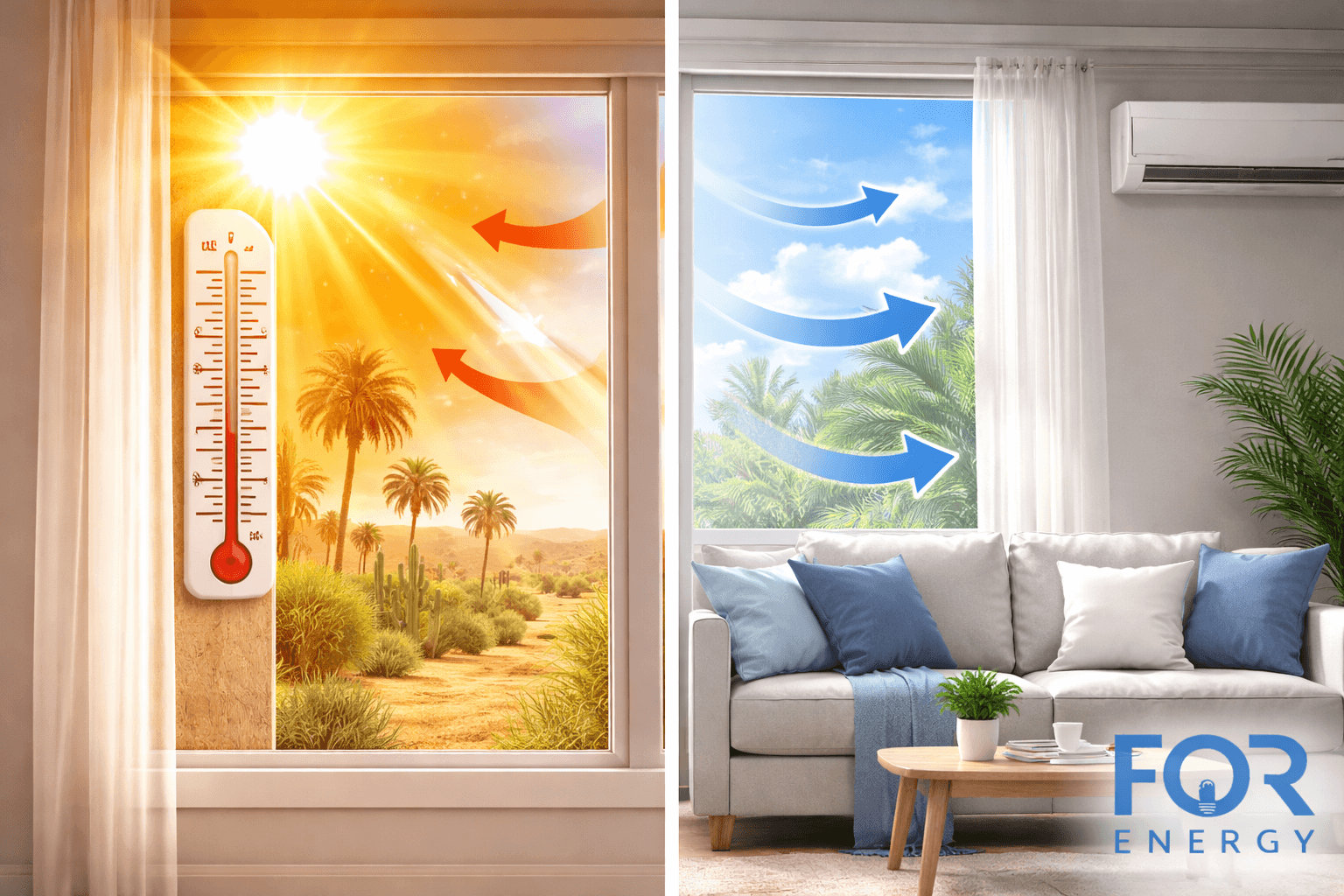
Inefficient windows are a major source of heat gain in Phoenix homes, leading to higher cooling costs.
Modern energy-efficient windows, particularly those with low-emissivity (Low-E) coatings and double-pane construction, significantly reduce solar heat gain and improve insulation.
Upgrading to energy-efficient windows can lead to substantial reductions in energy bills and enhance indoor comfort during Arizona's hot summers.
FOR Energy focuses on a whole-home approach, offering complimentary home energy checkups to identify root causes of energy loss, including window performance.
How Windows Impact Home Energy Efficiency
In the relentless heat of a Phoenix summer, your home acts as a sanctuary from the sweltering temperatures. However, this comfort is constantly under assault, and one of the biggest culprits in this battle is your windows. Windows are a fundamental component of your home's thermal envelope, the barrier between the conditioned interior and the outside elements. While they provide natural light and views, they can also be a major pathway for heat transfer.
Think of it this way: heat naturally moves from warmer areas to cooler areas. In the summer, the intense Arizona sun beats down on your home, and that thermal energy is always looking for a way inside. Your windows, especially older or inefficient ones, offer a prime route. This unwanted heat gain forces your air conditioning system to work harder and longer to maintain a comfortable temperature, leading directly to higher energy consumption and steeper utility bills. In fact, the U.S. Department of Energy estimates that heat gain and heat loss through windows are responsible for 25%–30% of residential heating and cooling energy use. Understanding where do homes lose most energy is the first step in creating a more efficient and comfortable living space.
Why Older Windows Increase Cooling Costs
If you live in an older home in Phoenix or surrounding areas like Tempe and Glendale, your windows could be the primary reason your summer cooling costs are so high. Outdated window technology simply isn't equipped to handle the extreme solar radiation of the desert climate.
Common issues with older windows include:
Single-Pane Glass: A single pane of glass offers minimal insulation, allowing heat to pass through with little resistance. It’s like having a small, transparent hole in your wall.
Poor Seals: Over time, the seals around window panes can degrade, crack, or fail completely. This allows hot outside air to infiltrate your home and cool, conditioned air to escape, creating drafts and forcing your AC to run constantly.
Inefficient Frames: Older window frames, particularly those made of aluminum without a thermal break, are excellent conductors of heat. The frame itself can become hot and radiate that heat directly into your home.
These factors combine to create a significant energy drain. Your home gains an enormous amount of solar heat, making it difficult and expensive to keep cool. A window replacement is often one of the most effective upgrades for improving energy efficiency in the Valley.
How Energy Efficient Windows Reduce Heat Gain
Modern energy-efficient windows are engineered with advanced technologies specifically designed to combat heat gain, making them a game-changer for Arizona homeowners. Instead of being a weak point in your home's thermal defense, they become an active barrier against the sun's energy.
Key Technologies in Modern Windows
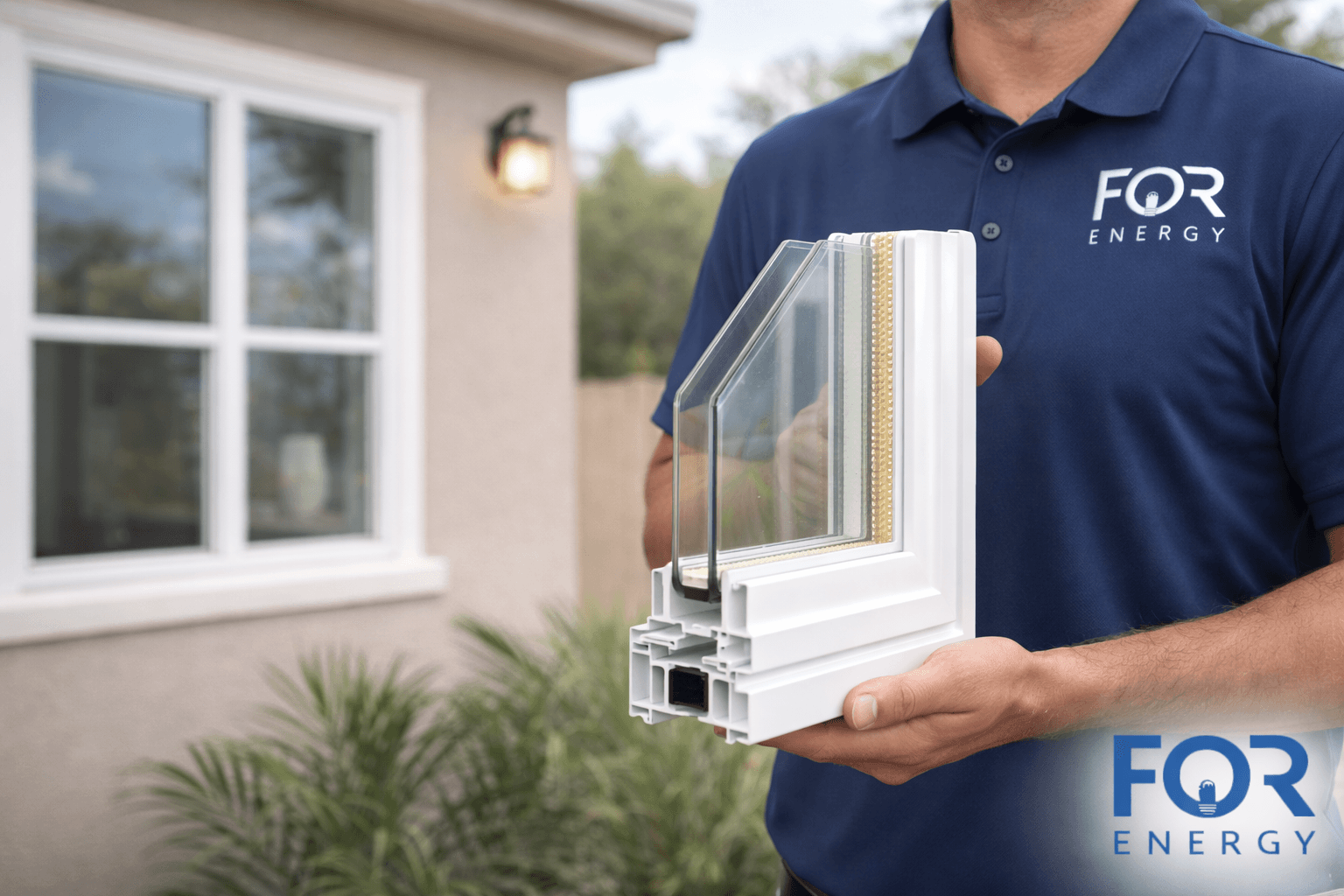
The secret to their performance lies in a few key features. As explained in detail in our post on how energy-efficient windows work, technologies like Low-E coatings are microscopic, transparent layers of metal or metallic oxide applied to the glass surface. This coating reflects heat-causing infrared light while allowing visible light to pass through, so you can enjoy a bright home without the accompanying heat gain. Additionally, most energy-efficient windows are double-pane (or even triple-pane), with the space between the glass panes filled with an inert, non-toxic gas like argon. Because this gas is denser than air, it provides a superior insulating barrier, dramatically slowing the transfer of heat.
Understanding U-Factor and SHGC in Phoenix
When shopping for windows, you'll encounter two critical performance ratings from the National Fenestration Rating Council (NFRC): U-Factor and Solar Heat Gain Coefficient (SHGC).
U-Factor: This measures the rate of heat transfer and tells you how well the window insulates. The values typically range from 0.20 to 1.20, and a lower number indicates better insulation.
Solar Heat Gain Coefficient (SHGC): This measures how much solar radiation is admitted through a window. It's expressed as a number between 0 and 1. In a hot climate like Phoenix, you want the lowest SHGC possible to block the sun's heat from entering your home.
Understanding these ratings, often found on the Energy Star label, is crucial for selecting a window that will perform effectively in the Arizona sun.
Potential Energy Savings From Window Upgrades
So, does investing in energy-efficient windows actually pay off? The answer is a resounding yes. According to the U.S. Department of Energy, upgrading to ENERGY STAR-certified windows can save homeowners an average of $126 to $465 per year on energy bills when replacing single-pane windows. In many cases, these savings can be even higher in extreme climates like ours. Homeowners can potentially lower their energy bills by 15-25% or more, providing significant financial relief, especially during the peak summer months.
The first step to understanding your home's specific potential for savings is a professional assessment. A comprehensive home energy audit can pinpoint exactly how much energy your current windows are wasting and provide a clear picture of the savings you can expect from an upgrade.
Realizing ROI in Arizona's Climate
The return on investment for energy-efficient windows is particularly compelling in the Valley. While homeowners in milder climates also benefit, the relentless heat in cities like Scottsdale, Chandler, and Gilbert means that air conditioners run for a significant portion of the year. By drastically reducing solar heat gain, new windows lessen the load on your HVAC system, leading to more substantial and faster savings. This accelerated payback period makes window replacement a smart financial decision for long-term value and immediate comfort.
Signs Your Phoenix Home Needs New Windows
How can you tell if your windows are failing to protect your home? There are several clear indicators that it might be time for an upgrade:
High Energy Bills: A sudden or consistent spike in your summer cooling costs is a major red flag.
Noticeable Drafts: If you can feel hot air seeping in around the window frames, your seals have likely failed.
Condensation Between Panes: Moisture, fog, or frost between the layers of glass in a double-pane window means the seal is broken and the insulating gas has escaped.
Faded Furniture or Flooring: If sunlight streaming through your windows is causing your carpets, curtains, or furniture to fade, it means harmful UV radiation is getting through. Energy-efficient windows can block up to 99% of these rays.
Difficulty Operating: Windows that are difficult to open, close, or lock can indicate warping or damage that also compromises their efficiency.
If you're unsure whether to prioritize new windows or other upgrades, our guide on insulation vs window replacement first can help you decide.
Choosing the Right Energy-Efficient Windows for Phoenix
Selecting the right windows involves more than just picking a style. For homes in Mesa or Peoria, performance in the heat is paramount. Key factors to consider include:
Frame Materials: Vinyl and fiberglass frames offer excellent insulation and durability, resisting the warping and cracking that can occur in extreme heat.
Glass Packages: Look for a glass package that is specifically designed for hot climates, which means it will have a low SHGC and a low U-Factor.
ENERGY STAR Ratings: Ensure the windows are ENERGY STAR certified for the South-Central climate zone, which includes Arizona.
Professional Installation: The performance of a new window is only as good as its installation. Proper sealing and fitting are crucial to prevent air leakage and ensure maximum efficiency.
For homeowners considering a variety of options, our post on which window protection is right for your home offers a broader look at different solutions.
Schedule Your Free Home Energy Checkup
The best way to know for sure how energy-efficient windows can benefit your home is with a professional evaluation. At FOR Energy, we take a whole-home, science-based approach. We don't just sell windows; we solve energy problems from the root cause. Our complimentary home energy checkup provides you with a comprehensive, educational assessment of your home's performance.
During this checkup, our specialists will analyze your current windows, identify sources of energy loss, and provide clear, data-backed recommendations. We empower you with the information you need to make the best decision for your home, your comfort, and your budget. Schedule your free consultation today and take the first step toward a more comfortable and energy-efficient home.
FAQs
Q1: How much money can I really save on my energy bills by replacing old windows in Phoenix?
A: The actual savings vary based on factors like your home's size, current window efficiency, and specific energy usage habits. However, homeowners in Phoenix can often see significant reductions in cooling costs, potentially lowering overall energy bills by 15-25% or more by upgrading to modern, energy-efficient windows designed for hot climates.
Q2: What makes a window "energy efficient" for the Phoenix climate?
A: For Phoenix, energy-efficient windows typically feature double-pane or triple-pane glass with Low-E (low-emissivity) coatings to reflect solar heat, and often have inert gas fills like argon between the panes for enhanced insulation. A low Solar Heat Gain Coefficient (SHGC) is particularly crucial to minimize heat entering your home.
Q3: Are there specific types of energy-efficient windows recommended for Arizona homes?
A: Windows with strong thermal performance, often characterized by low U-factor and SHGC ratings, are ideal. Vinyl and fiberglass frames offer excellent insulation properties. It's best to look for ENERGY STAR certified windows specifically rated for the South-Central climate zone, which includes Phoenix.
Q4: Besides energy savings, what other benefits do new energy-efficient windows offer?
A: Beyond lower utility bills, new energy-efficient windows can significantly improve indoor comfort by reducing hot spots and drafts, enhance sound insulation, protect furniture and flooring from UV damage, and potentially increase your home's resale value.
Q5: How can I determine if my existing windows are causing high energy bills?
A: Common signs include noticeable drafts, condensation between glass panes, difficulty maintaining consistent indoor temperatures, and warm interior surfaces near windows. The best way to accurately assess window performance and overall home energy efficiency is through a professional home energy checkup, such as FOR Energy's complimentary 21-Point assessment.