-400x299.png&w=1080&q=75&dpl=dpl_Hi6ZKV3Miso167J9igyQX1ihqdht)
Discover Which Energy-Saving Windows Are Best for Your Phoenix Home

Key Takeaways
Understanding window components like Low-E coatings, gas fills, and frame materials is key to energy savings.
Double-pane and especially triple-pane windows offer superior insulation against Phoenix's extreme heat.
ENERGY STAR® certification is a reliable indicator of high-performance windows tailored for your climate zone.
Selecting windows that minimize solar heat gain is crucial for significant cooling cost reductions in the desert.
A professional home energy checkup can identify the best window solutions for your specific Phoenix home.
Understanding How Windows Impact Your Phoenix Energy Bills
Living in the Phoenix metro area means enjoying plenty of sunshine, but it also means battling intense, relentless heat. Your home’s windows are on the front lines of this battle. They are essentially thermal holes in your walls, and if they aren't designed for our climate, they can be a primary source of unwanted heat gain. Older single-pane or builder-grade aluminum windows act like radiators, allowing the sun’s infrared heat to pour into your home. This forces your air conditioning system to work overtime, leading to sky-high energy bills and uncomfortable hot spots.
The key issue in our desert climate is solar heat gain. This occurs when solar radiation passes through the glass and heats up objects inside your home, which then radiate that heat into the room. Inefficient windows fail to block this transfer, making it nearly impossible to maintain a cool and consistent indoor temperature. Upgrading to the right high-performance windows is one of the most effective tips for a more energy-efficient home, directly addressing this massive source of energy waste. A strategic window replacement can dramatically lower cooling costs, improve comfort, and reduce the strain on your HVAC system.
Key Technologies That Make Windows Energy Efficient
To understand which windows save the most energy, it’s important to look beyond the glass itself and understand the components working together to create a powerful thermal barrier. Modern energy-efficient windows are a feat of engineering, combining several key technologies to control heat transfer, block UV rays, and keep your home comfortable year-round. Let's break down the most critical features for Phoenix homeowners.
Low-Emissivity (Low-E) Coatings: Your First Line of Defense Against Phoenix Sun
Low-Emissivity, or Low-E, coatings are the single most important technology for windows in a hot climate. This ultra-thin, transparent metallic layer is applied to the glass surface to reflect heat. For Phoenix, the coating is specifically designed to reflect long-wave infrared heat (the heat you feel) back outside, while still allowing visible light to pass through. This means you can enjoy a bright, naturally lit home without the accompanying solar heat gain that sends your AC into overdrive. Coatings are engineered for specific climates; a window designed for Minnesota will have a different Low-E coating than one built for Arizona. For our region, you want a coating that prioritizes a low Solar Heat Gain Coefficient (SHGC), which we'll discuss later.
Double-Pane vs. Triple-Pane Windows: What's Best for Arizona?
For decades, double-pane windows have been the standard for energy efficiency, offering a significant upgrade over single-pane glass. They create an insulating pocket of air or gas between two panes of glass, slowing down heat transfer. However, for the extreme temperatures in Phoenix, triple-pane windows offer a superior level of performance.
Triple-pane windows feature three layers of glass, creating two separate insulating chambers. This design provides an exceptional thermal barrier against conductive and convective heat flow. While the upfront cost is higher, the long-term energy savings and noticeable improvement in comfort can make triple-pane windows a wise investment, especially for west-facing windows that bear the brunt of the afternoon sun. If you want to learn more in-depth about how energy-efficient windows work, their multi-pane construction is a core part of the story.
Insulating Gas Fills: Argon and Krypton for Enhanced Performance
The space between the glass panes in double- or triple-pane windows isn't just empty air. High-performance windows are filled with a dense, inert gas—most commonly Argon or Krypton. These gases are much heavier and more viscous than air, making them far better insulators. They slow the movement of heat from the hot outer pane to the cooler inner pane, further reducing thermal transfer. This gas fill works in tandem with Low-E coatings to maximize the window's overall insulating value, or U-factor. It's an invisible feature that makes a tangible difference in keeping your home cool.
Frame Materials: More Than Just Aesthetics
The material of your window frame plays a crucial role in its overall energy efficiency. Older aluminum frames, common in many Arizona homes, are highly conductive and create a "thermal bridge" that allows heat to easily transfer from the outside in. Modern, energy-efficient frame materials are designed to be insulators.
Vinyl: A popular and cost-effective choice, vinyl frames offer excellent thermal resistance. They have multiple internal chambers that trap air, preventing heat transfer and improving the window's overall performance.
Fiberglass: Known for its superior strength and durability, fiberglass is an even better insulator than vinyl. It expands and contracts very little with temperature changes, ensuring a tight seal for years to come and preventing air leakage.
Both vinyl and fiberglass frames are excellent choices for combating the thermal bridging that plagues old aluminum windows.
Decoding ENERGY STAR® and NFRC Ratings for Phoenix Homeowners
When shopping for windows, you'll see labels with ratings from ENERGY STAR® and the National Fenestration Rating Council (NFRC). These numbers aren't just technical jargon; they are the key to choosing the right product for your home. Understanding what ENERGY STAR ratings mean helps you select windows tested and certified for our specific climate. For Phoenix (Climate Zone 2), you should look for these key NFRC values:
U-Factor: This measures how well a window prevents heat from escaping. In our cooling-dominated climate, it's less critical than SHGC, but a lower number is still better. Look for a U-Factor of 0.30 or less.
Solar Heat Gain Coefficient (SHGC): This is the most important rating for Phoenix. It measures how much solar radiation is admitted through a window. A lower SHGC means less heat gain. For our area, you want the lowest SHGC possible, ideally 0.25 or below.
Visible Transmittance (VT): This measures how much visible light comes through. A higher VT means more natural light. The goal is to find a window with a low SHGC and a relatively high VT.
Air Leakage (AL): This measures how much air will pass through cracks in the window assembly. Look for a low number, typically 0.30 or less, to prevent drafts and dust intrusion.
The Top Window Types for Maximum Energy Savings in Phoenix
So, which windows save the most energy for a Phoenix home? The ideal choice combines the best technologies tailored for our climate. The top-performing window will feature a combination of:
Triple-Pane Glass: For maximum insulation against extreme ambient heat.
Multiple Low-E Coatings: Specifically, coatings designed to reject solar heat, resulting in a very low SHGC.
Argon or Krypton Gas Fills: To enhance the insulating power between the panes.
Insulated Vinyl or Fiberglass Frames: To eliminate thermal bridging and ensure a long-lasting, airtight seal.
When you explore our full range of energy-efficient windows, you will find options that meet these high standards. Investing in this combination of features provides the most robust defense against the desert sun, delivering significant savings on your cooling bills and creating a more comfortable and quieter indoor environment.
Beyond the Glass: Installation and Whole-Home Energy Efficiency
Choosing the best energy-saving windows is only half the battle. Even the most advanced window will fail to perform if it's not installed correctly. Professional installation ensures an airtight, watertight seal that prevents air and moisture leaks, maximizing your investment's efficiency and longevity.
Furthermore, windows are just one part of your home's thermal envelope. For the greatest impact on comfort and energy bills, it’s crucial to adopt a whole-home approach. A home that has leaky ducts, poor home insulation, and inadequate air sealing will still struggle with efficiency, even with brand-new windows. That's why we always recommend starting with a comprehensive evaluation. A Free Home Energy Checkup can identify all the areas where your home is losing energy, from the attic to the duct sealing in your crawlspace. This data-driven approach allows us to create a prioritized plan that addresses the root causes of high energy bills and discomfort, ensuring every dollar you invest delivers the maximum return. If you're ready to get started, you can schedule a consultation with one of our experts or contact FOR Energy today.
Ready to Transform Your Phoenix Home's Comfort and Efficiency?
Don't let inefficient windows drain your wallet. Schedule your Free Home Energy Checkup today and let FOR Energy help you identify the best solutions for a cooler, more efficient home.
FAQs
Are triple-pane windows worth the extra cost for a Phoenix home?
Answer: For Phoenix's extreme summer heat, triple-pane windows offer superior thermal insulation compared to double-pane, significantly reducing heat transfer and improving indoor comfort. While the initial investment is higher, the long-term energy savings on cooling costs can make it a worthwhile upgrade for maximum efficiency.
What are the most important window ratings to consider for the Arizona desert climate?
Answer: In the Arizona desert, the most critical NFRC ratings are the Solar Heat Gain Coefficient (SHGC), which should be low (ideally 0.25 or less) to minimize heat entering your home, and the U-factor, which should also be low (0.30 or less) to indicate better insulation.
Can new energy-efficient windows really lower my electricity bill in Phoenix?
Answer: Absolutely. Inefficient windows are a major source of heat gain in Phoenix homes, forcing your AC to work harder. Upgrading to energy-efficient windows designed for hot climates can significantly reduce the load on your cooling system, leading to noticeable savings on your electricity bill and improved comfort.
What's the difference between Low-E coatings for hot vs. cold climates?
Answer: Low-E coatings are designed to reflect specific parts of the light spectrum. For hot climates like Phoenix, you need coatings that primarily reflect infrared heat while allowing visible light, preventing solar heat gain. For cold climates, coatings are optimized to reflect indoor heat back inside to prevent heat loss.
How long do energy-efficient windows typically last in the Arizona sun?
Answer: High-quality energy-efficient windows, especially those with durable vinyl or fiberglass frames and robust glass packages, are designed to withstand the intense Arizona sun for 20-30 years or more. Proper installation and material selection are key to their longevity and performance in extreme conditions.
Schedule Your
Free Home Energy Check Up!
Recent Posts
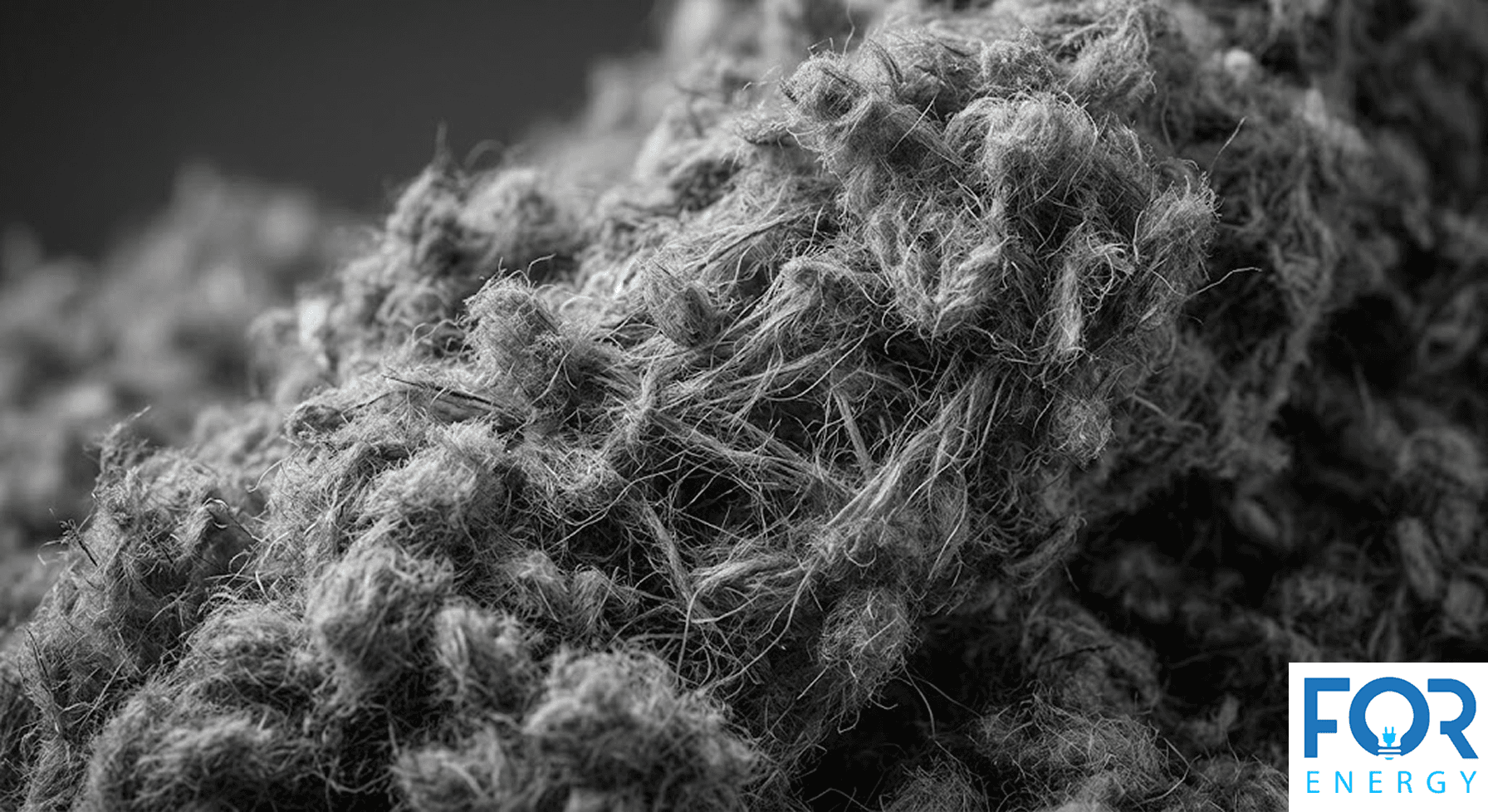
Superior Heat Resistance: Cellulose insulation has a high density and R-value, creating an exceptional thermal barrier that effectively blocks the intense radiant heat common in Phoenix.
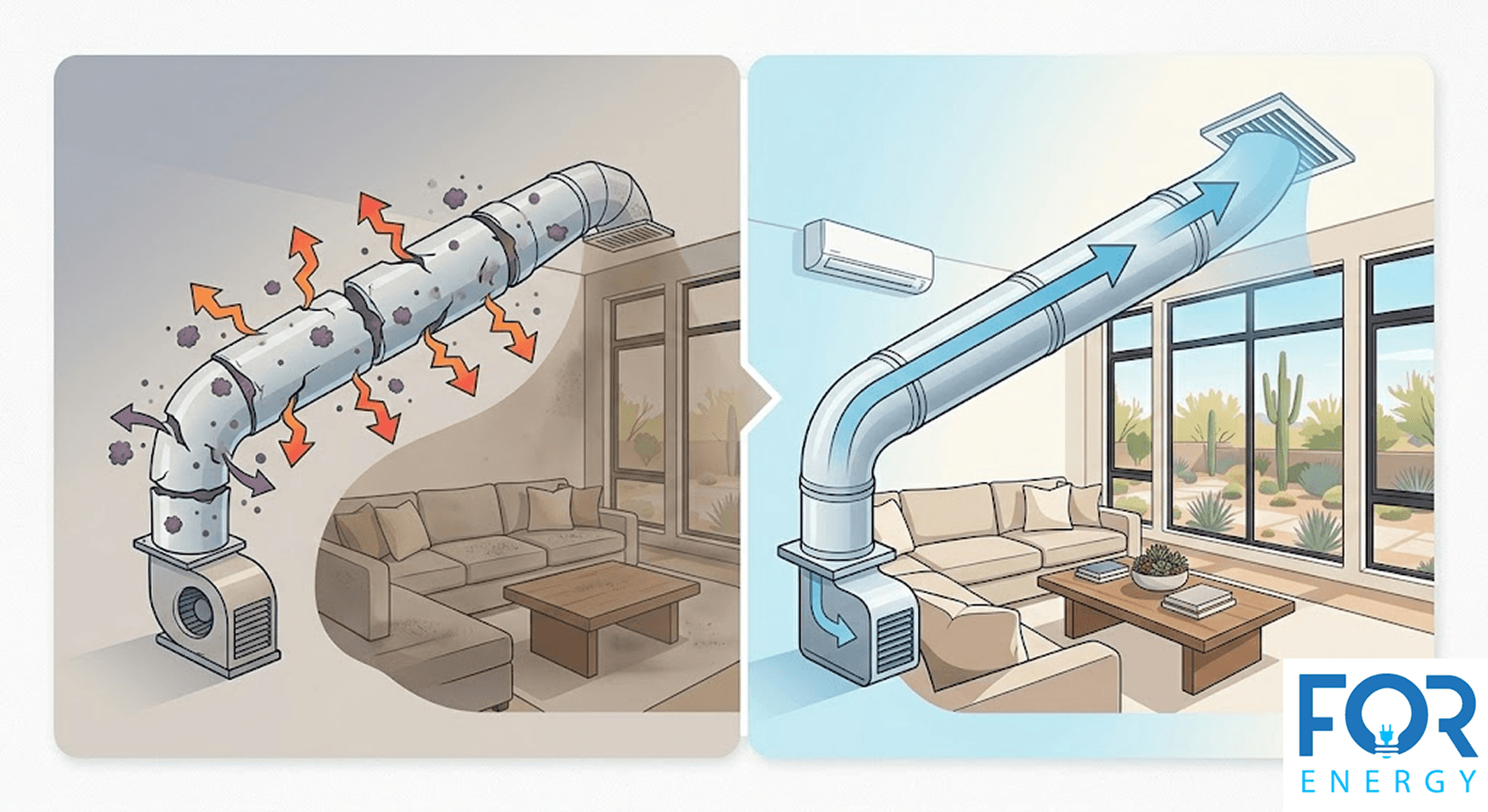
Leaky ducts can account for up to 30% of your home's conditioned air loss, leading to higher energy bills and an overworked HVAC system.
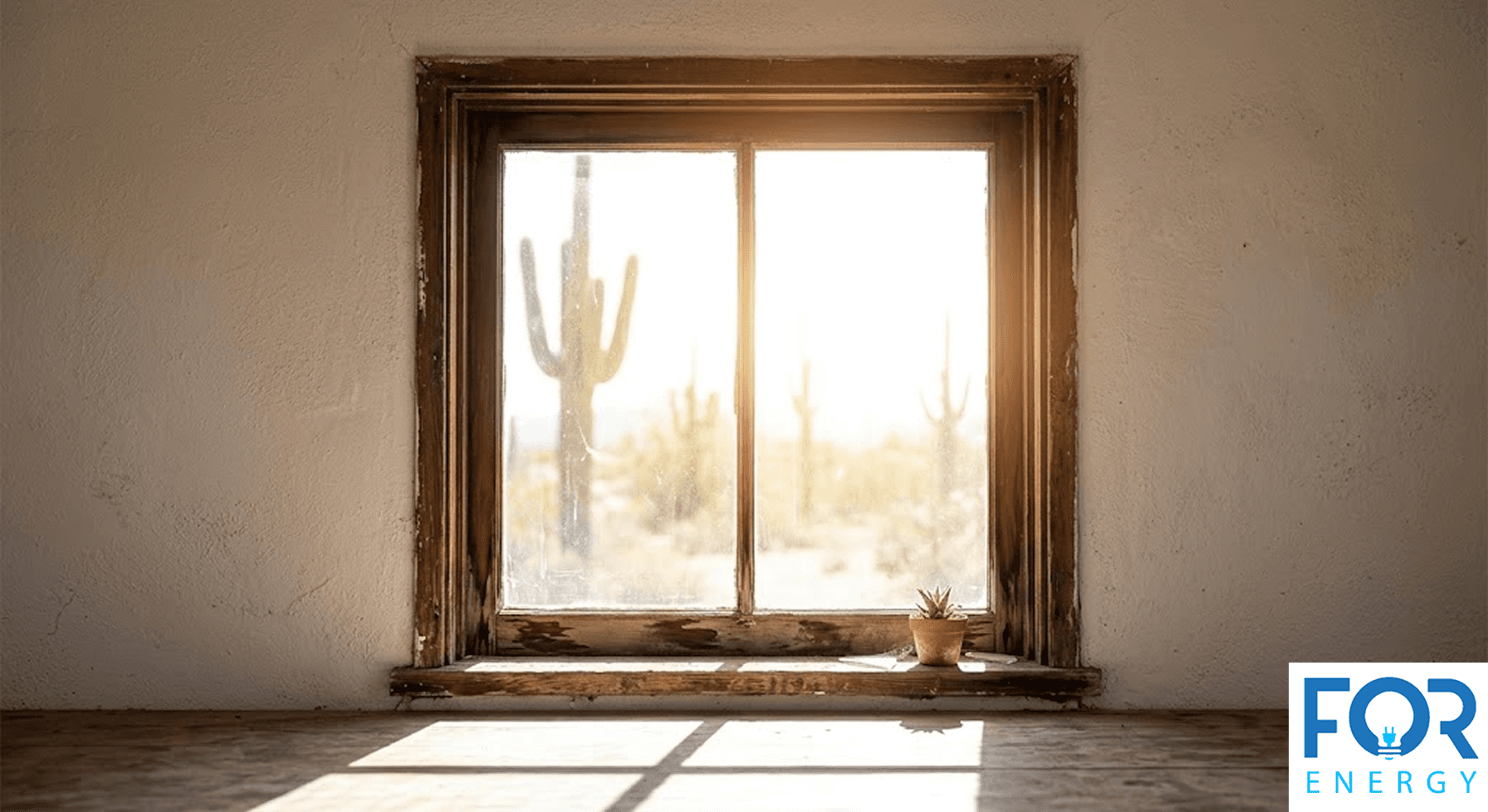
Phoenix Climate Demands Specific Solutions: Standard windows are not built for Arizona's extreme heat. Energy-efficient windows designed for our climate are one of the most effective investments you can make to lower energy bills and improve home comfort.
Featured Customer Review
The whole process with FOR Energy, a local Arizona company, has been a positive experience! Jen was knowledgeable about the pressure check and attic seal, which was the first process, and Tyler performed the check very quickly one evening, which was best for my schedule. I really enjoyed working with Eric on my contract. He was very honest and helped me pick the perfect system for our home. The best part was working with Spencer and Dylan as part of my project management team. They were very informative and responsive to my questions. They helped communicate with the city during the permitting process and kept me up to date with appointments and visits from Titan Solar, APS, and the City of Phoenix muni. I highly recommend FOR Energy! Skip the others, and stay local for your solar needs.
Schedule Your Free Home Energy Checkup With One of Our Experts
We've helped thousands of families get the best value for their money in the past 12 years
Where We Work

Mon-Thu: 8:30 AM- 7:30 PM
Fri: 8:30 AM–5:30 PM
Sat: 9:00 AM–5:30 PM
Sun: Closed