-400x299.png&w=1080&q=75&dpl=dpl_73Rd1Z1oC3NjwfsZ3zJbj3MZgbjF)
Cost of Attic Insulation vs Energy Savings in Phoenix Homes

Key Takeaways
Investing in attic insulation in Phoenix can significantly reduce cooling costs, often by 30-50% annually, leading to substantial savings.
The typical payback period for attic insulation upgrades in Arizona ranges from 2.5 to 6 years, making it a highly cost-effective home improvement.
Proper insulation, particularly achieving an R-value of R-38 to R-49, is crucial in Phoenix's extreme climate to resist heat transfer and improve HVAC efficiency.
Signs your Phoenix home needs more attic insulation include high energy bills, uneven room temperatures, and an AC system constantly struggling to keep up.
FOR Energy offers complimentary 21-point Home Energy Checkups to identify specific insulation needs and provide data-backed recommendations for Phoenix homeowners.
Why Attic Insulation Matters for Phoenix Energy Costs
Living in Phoenix means embracing the sunshine, but it also means battling relentless summer heat that can push any air conditioning system to its limits. For many homeowners, a significant portion of that battle is lost in the attic. Your attic can reach temperatures of 150°F or more during peak summer days, and without a proper thermal barrier, that intense heat radiates downward into your living spaces. This process is called heat transfer, and it’s the primary reason your AC struggles to keep up, your energy bills skyrocket, and certain rooms feel perpetually uncomfortable.
Inadequate attic insulation forces your HVAC system to work overtime just to maintain the temperature you’ve set on your thermostat. This constant operation not only drives up cooling costs but also puts excessive strain on your equipment, leading to premature wear and tear. At FOR Energy, we approach this not as a sales opportunity, but as a home performance puzzle. By understanding the root cause of your discomfort and high utility bills—often found in the attic—we can deliver science-backed solutions that make a real difference.
Understanding Attic Insulation Costs in Phoenix
When considering an investment in your home's energy efficiency, the first question is often about cost. The price of an attic insulation project in Phoenix can vary based on several key factors, but it's one of the most cost-effective upgrades a homeowner can make. Generally, homeowners can expect the cost to range from a few thousand dollars upwards, depending on the specifics of their home.
The initial investment provides a significant return through lower energy bills and improved comfort. Think of it as creating a protective shield over your home that pays you back month after month.
Common Types of Attic Insulation in Phoenix
The type of insulation material you choose plays a major role in the overall cost and performance. In Phoenix, the most common and effective options are:
Blown-In Fiberglass: This is a very popular choice for attics. It consists of loose fibers that are blown into the attic space, filling gaps and creating a thick, effective thermal blanket. It's a cost-effective way to achieve high R-values.
Cellulose: Made from recycled paper products, cellulose is another excellent blown-in option. It packs tightly, reducing air leakage, and has a great R-value.
Spray Foam: As a premium option, spray foam insulation expands to create both a thermal barrier and an air seal. It's highly effective at stopping heat transfer and air leaks but comes at a higher initial cost.
Radiant Barrier: This isn't insulation in the traditional sense but is highly effective in hot climates. A radiant barrier is a reflective material installed in the attic to block radiant heat from the sun, reducing attic temperatures significantly.
Factors Influencing Installation Price
Several variables will influence the final price of your attic insulation upgrade:
Home Size: A larger attic requires more material and labor, increasing the overall cost.
Target R-Value: R-value measures resistance to heat flow. For the Phoenix area (Climate Zone 2), the U.S. Department of Energy recommends an R-value between R-30 and R-60. Achieving a higher R-value, such as R-38 or R-49, offers more protection and requires more insulation.
Existing Insulation: If old, damaged, or contaminated insulation needs to be removed, this will add to the project's cost.
Attic Accessibility: Complex attic layouts, limited space, or difficult access points can increase the labor time required for installation.
Air Sealing: For insulation to be most effective, it’s crucial to perform air sealing first. This process seals small cracks and gaps that allow conditioned air to escape into the attic, and it is a critical step in a comprehensive home insulation strategy.
How Insulation Reduces Cooling Costs in Arizona
Proper attic insulation is your home's first line of defense against Arizona's extreme heat. It works by creating a robust thermal barrier that slows the transfer of heat from your scorching hot attic into the cooled living space below. By resisting heat flow, insulation keeps the cool air your HVAC system produces inside your home where it belongs.
This dramatically reduces the workload on your air conditioner. Instead of running almost constantly on a hot summer day, an AC in a well-insulated home will cycle on and off less frequently. This improved HVAC efficiency translates directly into lower energy consumption and reduced utility bills. Furthermore, by easing the strain on your system, proper insulation can extend the lifespan of your expensive HVAC equipment, saving you from costly repairs or premature replacement. Related services like duct sealing can further enhance this effect by ensuring the cool air is delivered efficiently throughout your home without leaks.
Estimated Energy Savings From Attic Insulation Upgrades
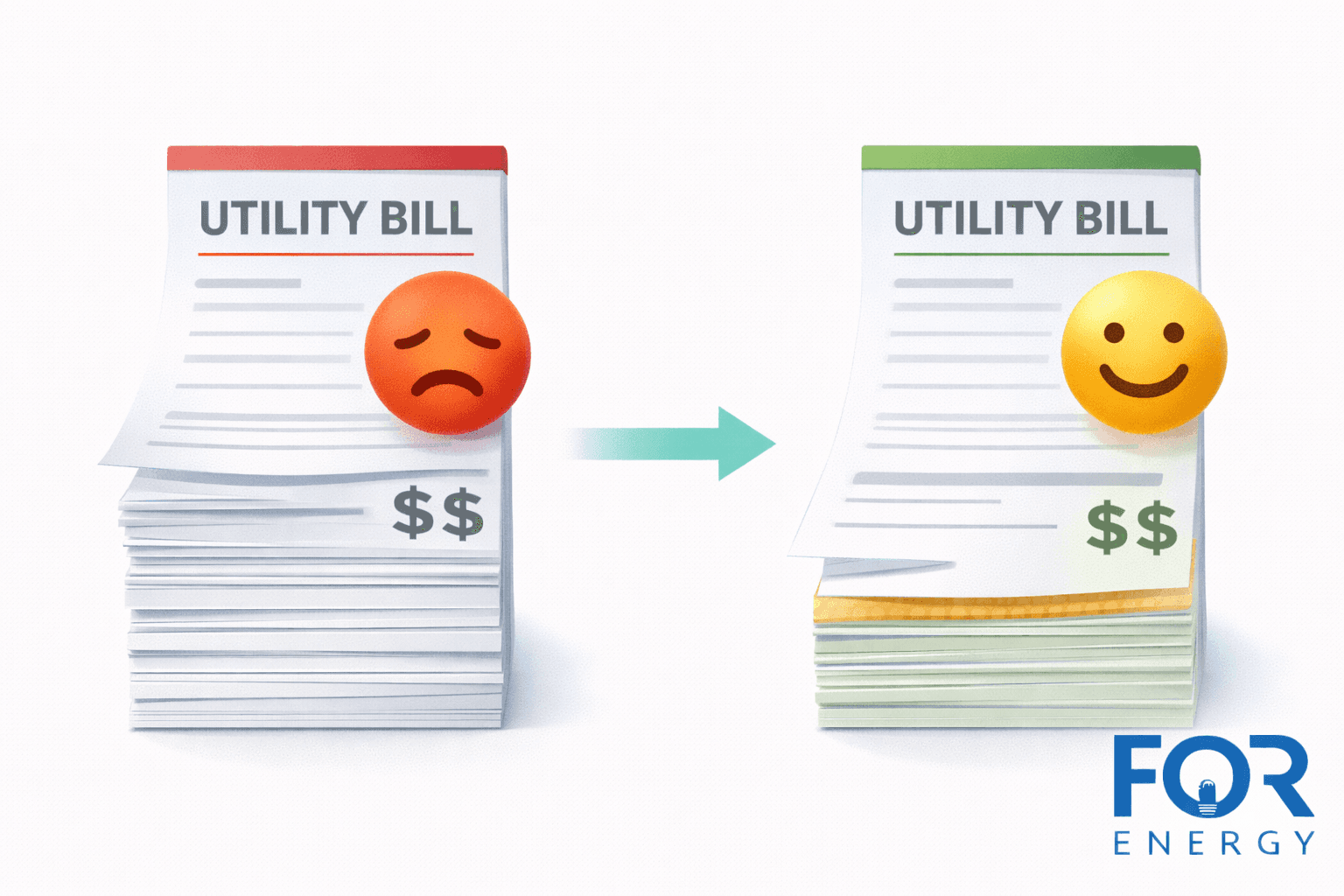
One of the most compelling reasons to upgrade your attic insulation is the substantial and immediate reduction in your energy bills. Phoenix homeowners who properly insulate their attics can often reduce their cooling costs by 30-50%. For many, this translates into hundreds of dollars in savings each year, making it one of the most impactful energy efficiency upgrades available.
The exact amount you save depends on factors like the size of your home, your family's energy usage habits, and the R-value of your insulation before and after the upgrade. A home with virtually no insulation will see a more dramatic drop in costs than a home that is simply topping off its existing insulation.
Real-World Examples of Savings
While every home is different, the results are consistently positive. Homeowners who invest in bringing their attic insulation up to the recommended R-38 or R-49 levels report that their AC systems run less, maintain a more consistent temperature, and their monthly utility bills are noticeably lower, especially during the peak summer months of June through September. This upgrade transforms a home from an energy sieve into a comfortable, efficient sanctuary.
Attic Insulation Return on Investment and Payback Period
Attic insulation is more than just an expense; it's an investment in your home's value and your financial well-being. The return on investment (ROI) for attic insulation in Phoenix is remarkably high. Thanks to the significant energy savings, the typical payback period for this home improvement project ranges from just 2.5 to 6 years.
After the payback period, the savings on your energy bills become pure return. Given that quality insulation can last for decades, this upgrade continues to provide financial benefits long after it has paid for itself. This makes it a financially savvy decision that also boosts your home's comfort and resale value.
Maximizing Your ROI with Rebates and Tax Credits
To make the investment even more attractive, homeowners can take advantage of various financial incentives. Local utility companies like SRP and APS often provide rebates for energy-efficient upgrades, including insulation. For instance, SRP may offer rebates up to $600 for attic insulation improvements. Additionally, federal programs like the Energy Efficient Home Improvement Credit may allow you to claim a percentage of your project cost, up to a certain limit, on your annual taxes. These incentives can significantly shorten the payback period and increase your overall ROI.
Signs Your Phoenix Home Needs More Attic Insulation
Not sure if your home would benefit from more insulation? There are several clear indicators that your attic's thermal protection is lacking. Knowing how to tell if attic insulation needs replaced can help you make an informed decision. Look for these common signs:
Persistently High Energy Bills: If your summer cooling costs are consistently through the roof, poor insulation is a likely culprit.
Uneven Temperatures: Do you have rooms that are always hotter than others, particularly on the upper floor? This often points to insufficient insulation, allowing heat to penetrate certain areas of your home more easily.
Your AC Runs Constantly: An air conditioner that never seems to shut off is working desperately to combat a continuous influx of heat, often from the attic.
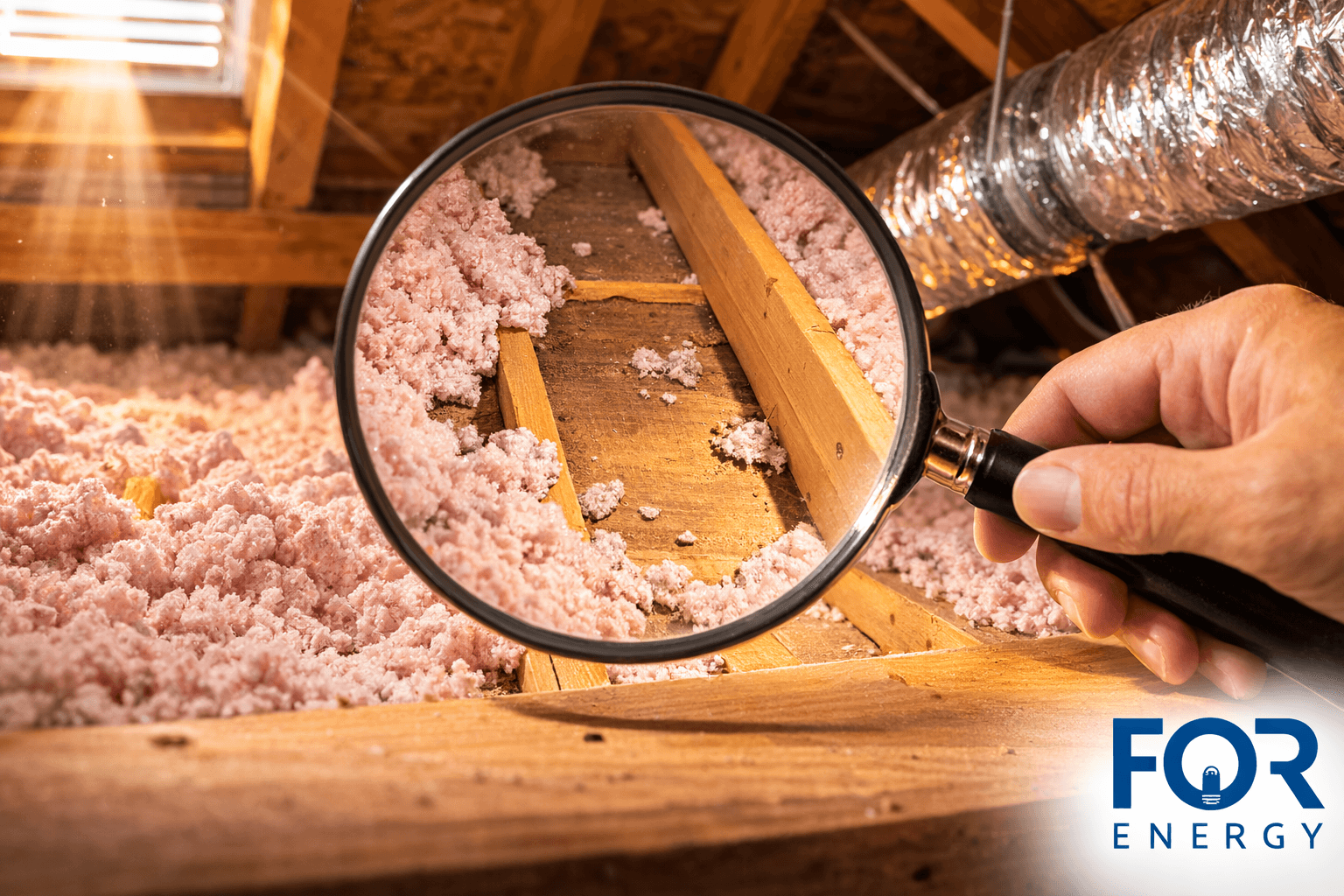
Visible Insulation Issues: A quick peek into your attic can be revealing. If you can easily see the tops of your ceiling joists, you almost certainly need more insulation. Old insulation that appears compressed, damp, or uneven is no longer doing its job effectively.
Schedule Your Free Home Energy Checkup
The best way to understand your home's specific needs is with a professional assessment. FOR Energy is committed to being an educator and a problem-solver, not just another contractor. That's why we offer a complimentary 21-Point Home Energy Checkup. Our discovery-based consultation is grounded in building science and aligned with Energy Star standards.
We take a whole-home approach to identify the root causes of your energy inefficiency and discomfort. Our team will provide you with data-backed, transparent recommendations tailored to your home, empowering you to make the best decision for your comfort and budget. If you're ready to lower your energy bills and create a more comfortable living environment, schedule your consultation with the experts at FOR Energy today.
FAQs
Q1: How much can attic insulation save on energy bills in a Phoenix home?
A1: In Phoenix, proper attic insulation can typically reduce cooling costs by 30-50%, translating to hundreds of dollars in annual savings, depending on your home size and current insulation levels.
Q2: What is the typical return on investment (ROI) and payback period for attic insulation in Phoenix?
A2: Attic insulation upgrades in Phoenix usually offer a strong return on investment, with a typical payback period ranging from 2.5 to 6 years through reduced energy expenses.
Q3: What R-value is recommended for attic insulation in Phoenix, Arizona?
A3: For Phoenix (Climate Zone 2), the U.S. Department of Energy recommends an attic insulation R-value between R-30 and R-60, with an optimal target often being R-38 to R-49 for substantial thermal resistance.
Q4: How do I know if my Phoenix home needs new or additional attic insulation?
A4: Common signs include persistently high energy bills, uneven temperatures between rooms (especially hotter upstairs), an air conditioning system running constantly, or visible signs of old, thin, or compressed insulation in your attic.
Q5: What types of attic insulation are best for the extreme heat in Phoenix?
A5: In Phoenix's extreme heat, effective options include blown-in fiberglass, cellulose, and spray foam insulation, often combined with radiant barriers to reflect solar heat. The best choice depends on specific home needs and target R-value.