-400x299.png&w=1080&q=75&dpl=dpl_Hi6ZKV3Miso167J9igyQX1ihqdht)
Can Air Sealing Qualify for Energy Efficiency Incentives in Phoenix?
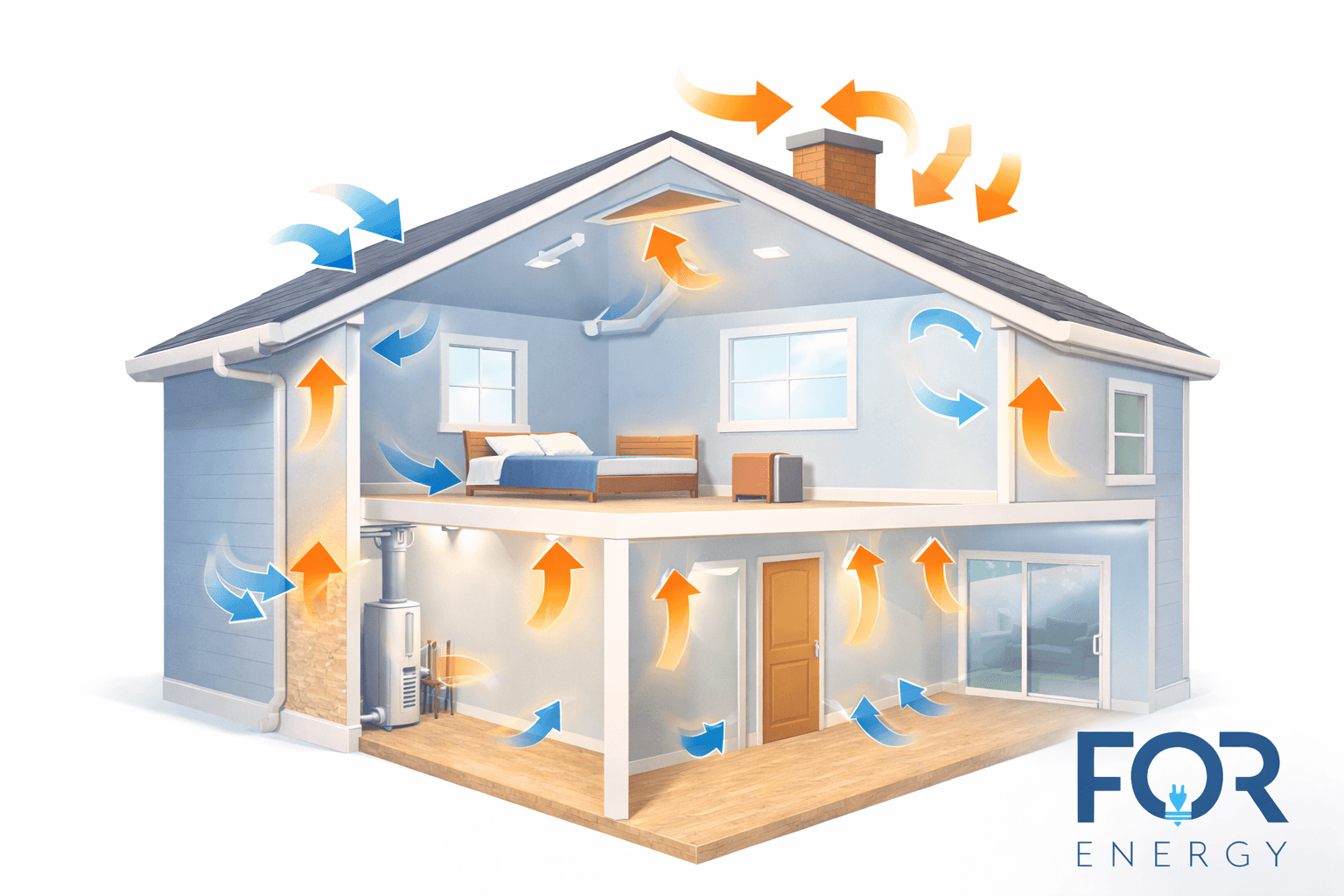
For Phoenix residents, the relentless sun and soaring temperatures make high cooling costs a fact of life. An inefficient home bleeds conditioned air, forcing your HVAC system to work overtime and driving up your electricity bill. This is where air sealing becomes a critical home improvement. By systematically sealing leaks and gaps in your home's thermal envelope, you can significantly reduce energy waste and enhance comfort. But the benefits don't stop there. Many homeowners wonder, can this crucial upgrade also unlock financial rewards? The answer is a definitive yes. In the Phoenix metro area, a variety of energy efficiency incentives, from local utility rebates to state and federal programs, are available to homeowners who invest in making their homes more efficient through air sealing. These programs are designed to lower the upfront cost of energy-saving upgrades, making it easier for you to create a more comfortable and affordable home.
Key Takeaways
Air sealing is a proven strategy for reducing energy waste and improving HVAC efficiency in Phoenix homes, especially critical for high cooling costs.
Homeowners in the Phoenix metro area can potentially qualify for various energy efficiency incentives, including federal, state, and local utility rebates for air sealing.
Federal tax credits, such as the former Energy Efficient Home Improvement Credit (25C), previously offered significant savings for air sealing, though this specific credit expired at the end of 2025.
Programs like Efficiency Arizona (including the HEAR program) and rebates from utilities like APS and SRP actively support air sealing, often in combination with insulation upgrades.
Eligibility for these programs typically requires professional installation, adherence to program guidelines, and proper documentation and verification.
Understanding Energy Efficiency Incentives: Rebates, Tax Credits, and Programs
Navigating the world of energy incentives can feel complex, but the core idea is simple: to reward homeowners for making smart, energy-saving upgrades. These rewards come in several forms, primarily as rebates, tax credits, and specialized programs. Understanding the distinctions is key to maximizing your savings. Rebates are direct financial returns, tax credits reduce your tax burden, and dedicated programs often provide a structured pathway and resources to help you improve your home's efficiency. By taking advantage of these opportunities, you not only lower the initial investment but also accelerate the payback period of your home performance upgrades through long-term energy savings.
Rebates vs. Tax Credits: Key Differences
The two most common types of incentives you'll encounter are rebates and tax credits, and they work differently. A rebate is a direct cash-back offer. It's typically provided by a utility company or a state program after you've completed a qualifying upgrade. Think of it as a partial refund that lowers the net cost of the project. For example, a utility might offer a $250 rebate for duct sealing, which you receive after the work is done and the paperwork is submitted.
A tax credit, on the other hand, directly reduces the amount of income tax you owe to the government. If you qualify for a $1,000 tax credit, you owe $1,000 less in taxes for that year. These are often offered by the federal government for specific energy-efficient improvements. It’s important to note that you only benefit from a tax credit if you have a tax liability to begin with, and you must wait until you file your taxes to claim it.
Federal Support for Air Sealing: Past Tax Credits & Current Programs
For years, the federal government has encouraged homeowners to improve energy efficiency through various initiatives. A well-known example was the Energy Efficient Home Improvement Credit (25C), which offered a significant tax credit for weatherization upgrades, including air sealing and insulation. However, it's crucial for homeowners to know that this specific credit expired on December 31, 2025. While that particular incentive is no longer available, the focus has shifted to new, robust programs established under the Inflation Reduction Act (IRA). This legislation introduced large-scale, long-term funding for home energy upgrades, primarily through state-administered rebate programs designed to provide more immediate, point-of-sale savings to consumers, with a strong focus on low- and moderate-income households.
The Home Electrification and Appliance Rebates (HEAR) Program
A cornerstone of the IRA's residential energy efforts is the Home Electrification and Appliance Rebates (HEAR) Program. This program is specifically designed to help low- and moderate-income families electrify their homes and improve efficiency. The HEAR program provides point-of-sale rebates, meaning the discount is applied at the time of purchase, for a range of upgrades. Crucially, this includes "weatherization" measures such as professional air sealing and adding home insulation. In Arizona, this program is administered under the "Efficiency Arizona" initiative. These rebates can cover a significant portion, or even all, of the project costs for eligible households, making essential energy upgrades more accessible than ever.
Phoenix-Specific Air Sealing Rebates & Local Utility Programs
Beyond federal initiatives, homeowners in the Phoenix metro area have access to powerful local incentives. Arizona's utility providers are key players in promoting energy efficiency because it helps manage demand on the electrical grid, especially during peak summer months. Programs from Salt River Project (SRP) and Arizona Public Service (APS) are designed to help their customers invest in a more secure and efficient home envelope. Furthermore, the statewide Efficiency Arizona program serves as a central hub, often funded by federal dollars, to streamline access to rebates for weatherization upgrades, including air sealing. These local programs are tailored to our climate, recognizing that a well-sealed home is the first line of defense against extreme heat.
APS and SRP Rebates for Air and Duct Sealing
Both APS and SRP offer specific rebates that can help offset the cost of air sealing and related services. For instance, both utilities have historically provided rebates for duct testing and repair. Leaky ducts are a major source of energy loss, and sealing them is a critical component of a whole-home air sealing strategy. Often, qualifying for these utility rebates requires working with a BPI-certified or utility-qualified contractor who follows program standards. This ensures the work is done correctly and achieves measurable energy savings. These programs often pair duct sealing with insulation upgrades, as this combination delivers the most significant impact on energy efficiency and home comfort. To access these rebates, the first step is often a comprehensive home energy assessment to identify where the greatest opportunities for improvement lie.
The Benefits of Professional Air Sealing in Arizona's Climate
While rebates and incentives provide a compelling financial reason to act, the intrinsic benefits of professional air sealing in Arizona are even more significant. Sealing your home's thermal envelope directly addresses the root cause of many comfort and cost issues. In a climate where the temperature difference between inside and outside is extreme, uncontrolled air leakage forces your HVAC system into a constant battle. Professional air sealing stops this energy drain, leading to a cascade of improvements. You'll experience more consistent temperatures throughout your home, eliminating hot spots and drafty areas. This enhanced comfort is matched by a tangible reduction in cooling costs, as your AC unit no longer needs to run excessively to maintain the desired temperature. Furthermore, sealing your home improves indoor air quality by preventing dust, allergens, and pollutants from infiltrating your living space, creating a healthier environment for your family. This is why it is so important to learn more about the topic of air sealing before attic insulation.

How to Confirm Eligibility and Maximize Your Savings
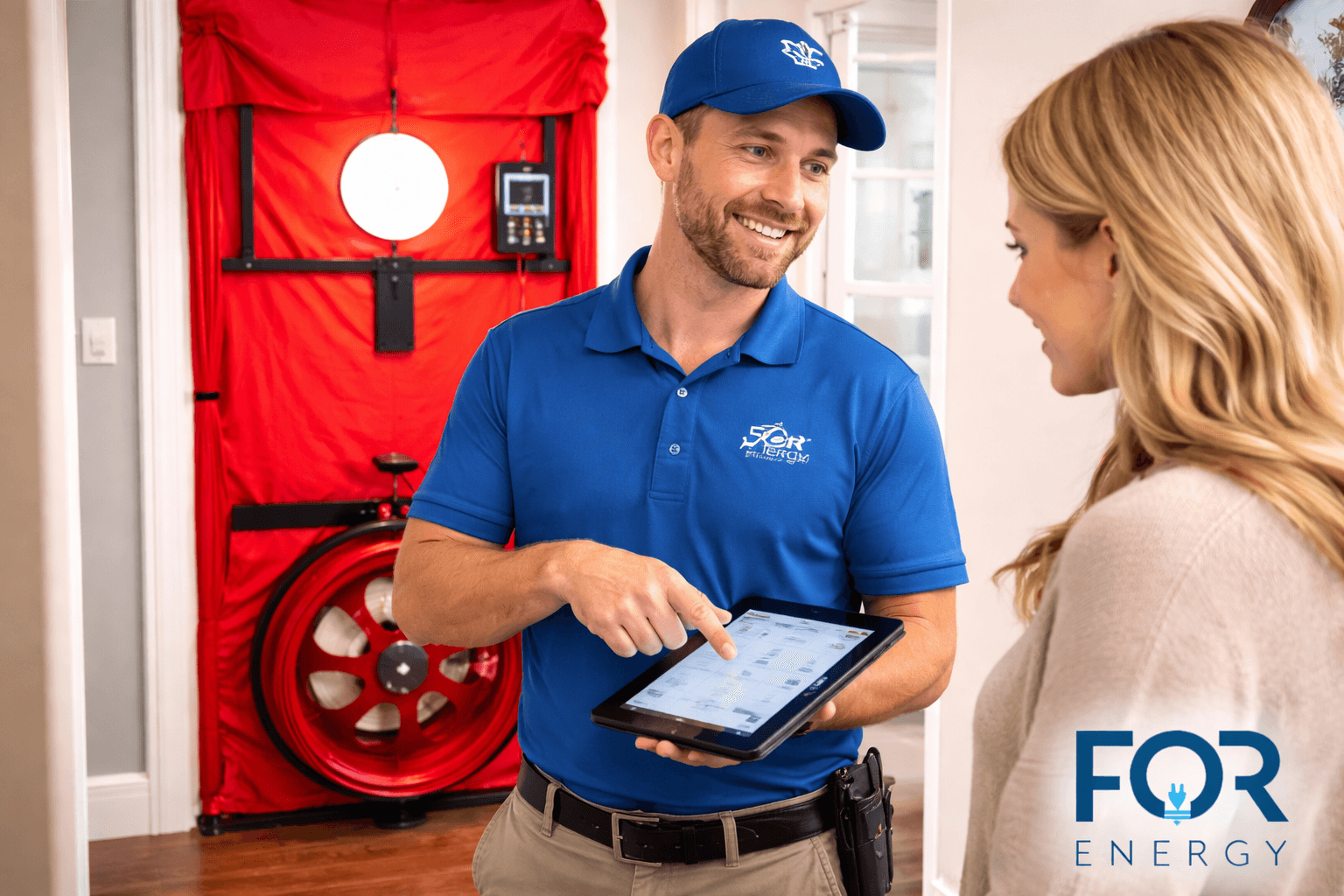
The path to securing energy efficiency incentives is a structured one, and it begins with understanding your home's unique needs. The most effective way to start is with a professional assessment. A comprehensive home energy checkup performed by a BPI-certified analyst will use diagnostic tools, like a blower door test, to pinpoint exactly where your home is leaking air and losing energy. This scientific approach not only identifies the problem areas but also provides the data needed to qualify for many rebate programs. A professional assessment gives you a clear roadmap for improvements and is the foundation for a successful project. For more information, you can review our guide to maximizing energy efficiency. At FOR Energy, our complimentary 21-point checkup is designed to provide you with this essential information, empowering you to make informed decisions.
Required Documentation and Verification
Once the work is complete, claiming your rebate requires careful documentation. This is a critical step where working with an experienced contractor pays dividends. Typically, you will need to submit itemized invoices that clearly state the work performed, the materials used, and the total cost. Proof of payment is also essential. Many programs, especially those offered by utilities like APS and SRP, require that the work be done by one of their participating or qualified contractors. For air sealing projects, verification often includes pre- and post-installation test results from a blower door test. This data scientifically proves the reduction in air leakage, confirming that the work has met the program's energy-saving standards. A qualified contractor will manage this entire process, ensuring all paperwork is completed accurately and submitted on time so you can successfully receive your incentive. Ready to take the next step? We invite you to schedule your consultation today.
FAQs
Q1: What types of energy efficiency incentives are available for air sealing in Phoenix, Arizona?
A1: Phoenix homeowners may qualify for various incentives, including federal programs (like past tax credits and current Inflation Reduction Act-backed rebates for low-to-moderate income households), state-level programs such as Efficiency Arizona, and utility-specific rebates from providers like APS and SRP. These programs aim to reduce upfront costs for energy-efficient home upgrades.
Q2: Did the federal tax credit for air sealing expire?
A2: Yes, the federal Energy Efficient Home Improvement Credit (25C), which provided a tax credit for insulation and air sealing improvements, among others, expired on December 31, 2025. While this specific tax credit is no longer available, homeowners should explore current federal rebate programs like HEAR, which offer point-of-sale discounts.
Q3: How does air sealing reduce energy waste and improve HVAC efficiency, especially in a hot climate like Phoenix?
A3: Air sealing prevents conditioned air from escaping and unconditioned hot air from entering your home through leaks and gaps in the building envelope. This significantly reduces the workload on your HVAC system, allowing it to cool your home more efficiently, leading to lower energy bills, enhanced comfort, and better indoor air quality by keeping dust and pollutants out.
Q4: What documentation is typically required to qualify for air sealing rebates or incentives?
A4: To qualify for air sealing rebates or incentives, you typically need detailed documentation such as paid-in-full itemized invoices from qualified contractors, proof of installation dates, and sometimes pre- and post-installation test results, like a blower door test, to demonstrate energy savings. Eligibility also depends on meeting specific program standards.
Q5: Is professional air sealing necessary to qualify for most energy efficiency incentives?
A5: Yes, many federal, state, and utility-sponsored energy efficiency programs require air sealing work to be completed by participating or BPI-certified contractors. This ensures that the work meets specific quality standards and can be properly verified, which is often a condition for receiving rebates or incentives.