-400x299.png&w=1080&q=75&dpl=dpl_Hi6ZKV3Miso167J9igyQX1ihqdht)
Can AeroSeal Duct Sealing Qualify Your Phoenix Home for Energy Efficiency Rebates?
Key Takeaways
AeroSeal duct sealing significantly improves HVAC efficiency and reduces energy waste by eliminating duct leaks.
Improved duct efficiency through AeroSeal can help Phoenix homeowners save on high cooling costs and may meet eligibility for various energy efficiency programs.
Arizona offers state-level programs like Efficiency Arizona, along with utility-specific rebates from providers such as SRP and APS, and federal tax credits (e.g., Inflation Reduction Act).
Eligibility for rebates and tax credits varies by program and location, often requiring documentation like pre- and post-sealing test results.
Homeowners in the Phoenix metro area should verify current rebate availability with local utilities and official program sources.
Understanding AeroSeal: The Foundation for Enhanced Home Efficiency
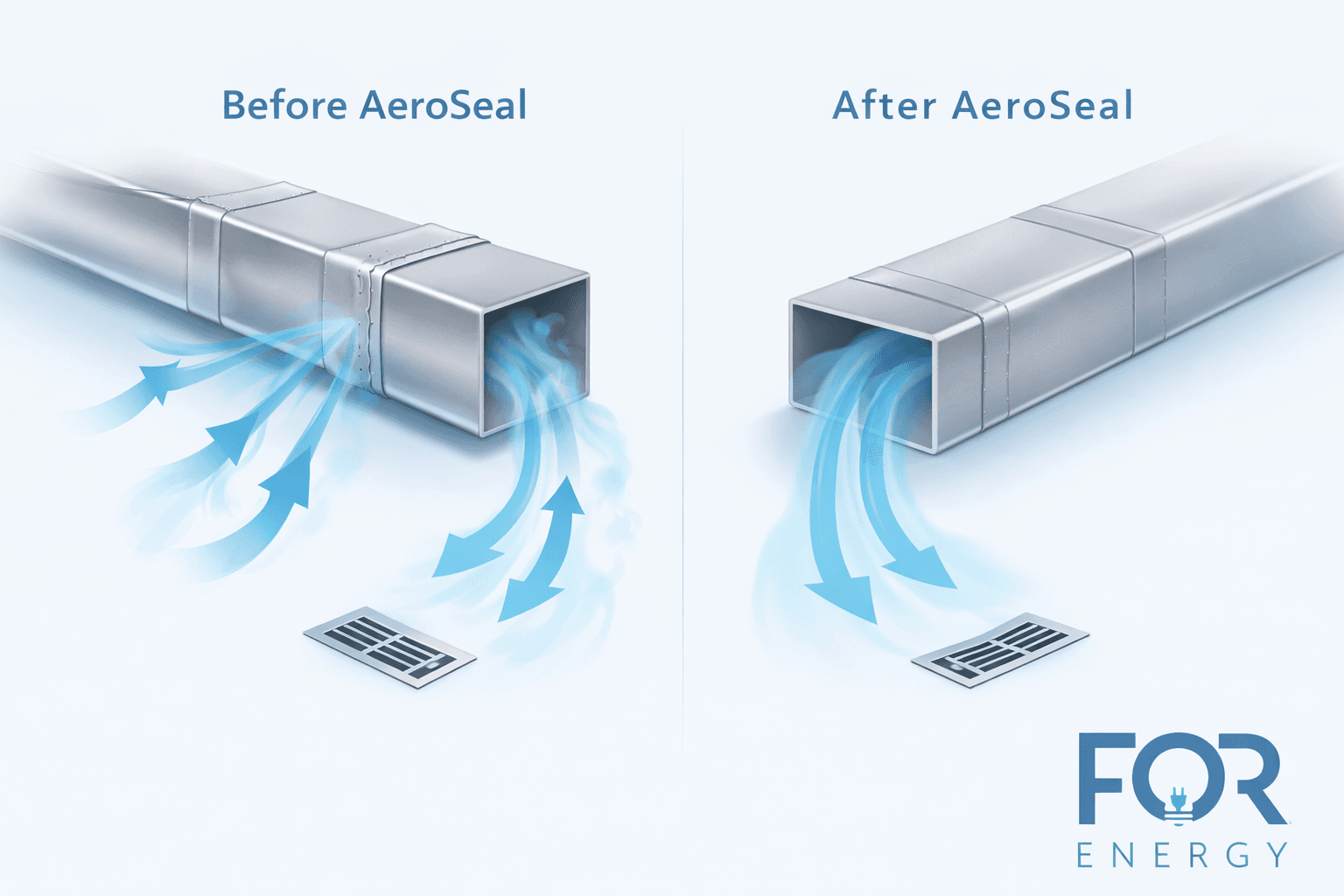
AeroSeal is a groundbreaking, patented technology designed to seal leaks in your home’s ductwork from the inside out. Unlike traditional methods that involve manually applying mastic or tape to accessible leaks, AeroSeal pressurizes the duct system and injects a non-toxic, aerosolized sealant that seeks out and bonds to leaks, regardless of their location. This process creates a highly effective and durable seal, dramatically improving your HVAC system's performance.
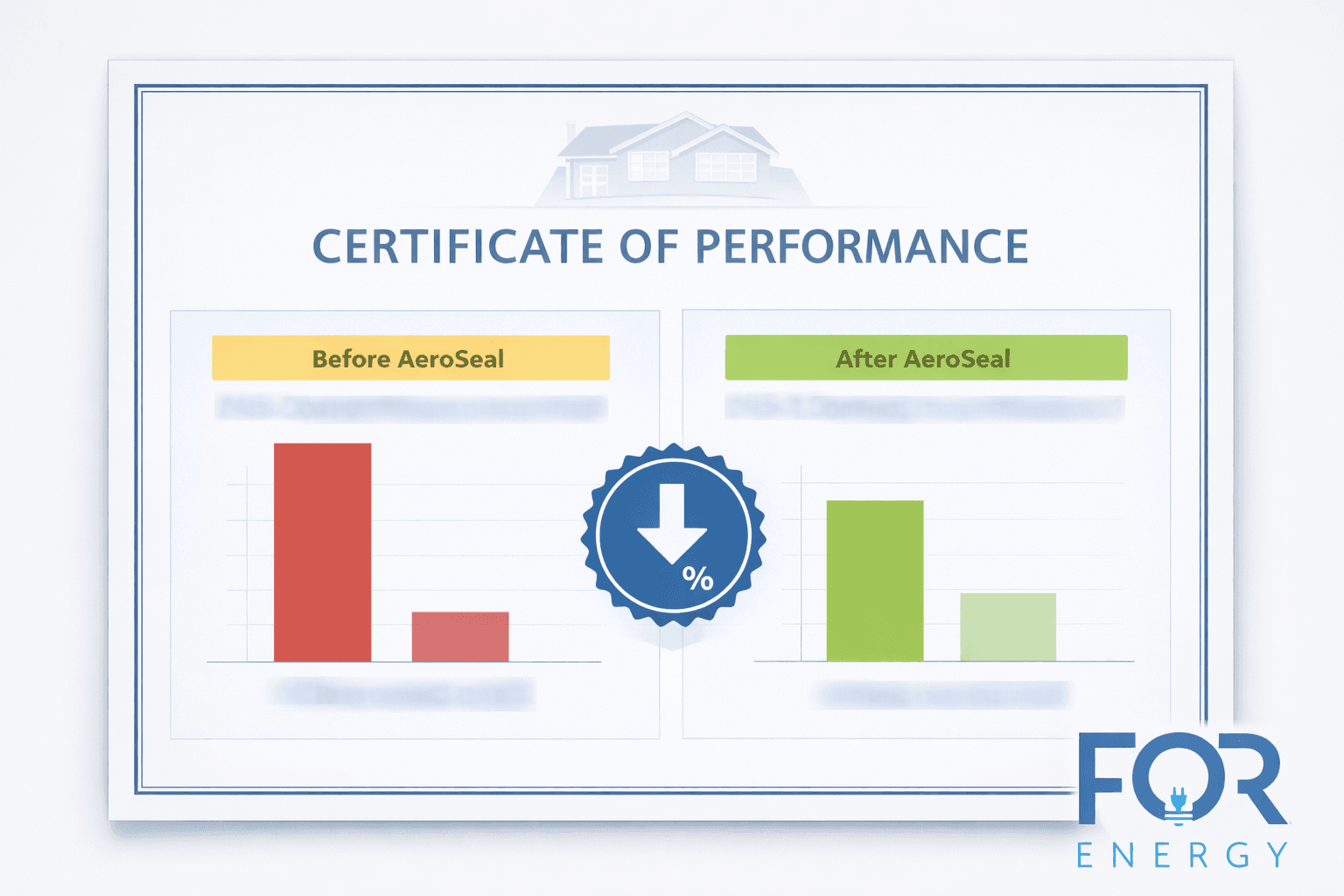
The key to AeroSeal’s value, especially concerning rebates, lies in its measurable results. Before the process begins, a diagnostic test measures the exact amount of leakage in your ductwork. After the sealing is complete, a post-test provides a detailed report showing the precise reduction in leakage. This verifiable data is often a crucial requirement for proving the energy savings needed to qualify for financial incentives. By ensuring conditioned air reaches its intended destination, AeroSeal reduces energy waste, enhances airflow, and provides the concrete evidence of improvement that rebate programs demand.
AeroSeal's Impact on Phoenix Home Comfort and Cooling Costs
In the blistering heat of a Phoenix summer, an efficient air conditioning system isn't a luxury; it's a necessity. However, even the most advanced AC unit will struggle if its conditioned air is escaping through leaky ducts into a scorching attic. Studies have shown that a typical home can lose 20% or more of its conditioned air through duct leaks. For Phoenix metro area homeowners, this translates directly to longer AC run times, inconsistent room temperatures, and shockingly high electricity bills.
By sealing these leaks, AeroSeal ensures that the cool air your system produces is delivered directly into your living spaces. This leads to several immediate benefits: rooms cool down faster, hot spots are eliminated, and your AC unit doesn't have to work nearly as hard to maintain a comfortable temperature. The result is a significant improvement in indoor comfort and a noticeable reduction in summer cooling costs. Investing in AeroSeal Duct Sealing solutions is a direct investment in making your home a more comfortable and affordable oasis during the demanding Arizona heat.
Navigating Energy Efficiency Rebates, Tax Credits, and Incentives in Arizona
For homeowners looking to make energy-efficient upgrades, a variety of financial incentives can help offset the initial cost. It's important to understand the differences between the primary types available:
Rebates: These are direct cash-back offers provided by utility companies or state programs after you complete a qualifying upgrade. You pay for the service upfront and submit an application with the required documentation to receive a check or bill credit.
Tax Credits: These incentives reduce the amount of income tax you owe to the federal or state government. They are claimed when you file your annual tax return and directly lower your tax liability.
Incentives: This is a broad term that can encompass both rebates and tax credits, as well as other programs like low-interest financing designed to encourage energy-saving improvements.
These programs are typically funded at the federal, state, or local utility level, each with its own set of rules and eligibility requirements.
Federal Tax Credits for Energy-Efficient Home Improvements
The most significant federal program currently available is the Energy Efficient Home Improvement Credit, expanded by the Inflation Reduction Act of 2022. This tax credit allows homeowners to claim up to 30% of the cost of certain qualifying home improvements. For upgrades like insulation and duct sealing, the credit is typically capped at $1,200 annually. This means that investing in AeroSeal not only lowers your monthly bills but can also provide a substantial financial return when you file your taxes.
Local Utility and State Rebate Programs in the Phoenix Metro Area
Arizona homeowners are fortunate to have multiple local programs offering financial incentives for improving home energy efficiency.
Arizona Public Service (APS): APS frequently offers rebates to its customers for various energy-saving measures. This often includes a Duct Repair and Sealing Rebate, which provides a set amount, such as $250, for sealing leaky ductwork. These programs typically require the work to be performed by a BPI-certified contractor.
Salt River Project (SRP): SRP also provides robust rebate programs for its customers. The SRP Duct Test and Repair Rebate™ can cover a significant portion of the repair costs, often up to $400, to fix duct leaks. Similar to APS, SRP requires work to be done by a qualified BPI-certified contractor to ensure quality and verify energy savings.
Efficiency Arizona: This statewide initiative, managed by the Governor's Office of Resiliency, uses federal funds to provide rebates for high-efficiency home upgrades. While program specifics evolve, they often target measures like insulation, air sealing, and high-efficiency appliance installation, which are complementary to the benefits of duct sealing.
How AeroSeal's Measurable Results Support Rebate Eligibility
The single greatest advantage of AeroSeal when applying for energy rebates is its quantifiable proof of performance. Most utility rebate programs, including those from APS and SRP, aren't just for the service itself; they're for the result. They require evidence that a meaningful reduction in energy waste has been achieved.
This is where the AeroSeal process shines. Every service includes a computerized pre- and post-seal analysis that generates a detailed report. This document shows the exact cubic feet per minute (CFM) of air leakage before the treatment and the significantly lower CFM of leakage after. This report serves as indisputable evidence for utility companies that their standards have been met or exceeded. It removes all guesswork from the application process, clearly demonstrating the improvement in HVAC efficiency and directly supporting your claim for the rebate. Without this concrete data, proving eligibility can be difficult.
Essential Steps for Phoenix Homeowners to Claim Their Energy Incentives
Navigating the world of energy incentives can seem daunting, but following a clear set of steps can simplify the process and ensure you maximize your savings.
Verify Program Availability: Rebates and tax credits can change annually. The first step is to check the official websites for APS, SRP, and Efficiency Arizona to confirm the current offerings, rebate amounts, and eligibility dates.
Schedule a Home Energy Assessment: Before making improvements, it's wise to understand your home's overall performance. A comprehensive home energy assessment will identify all common areas of energy loss, including leaky ducts, poor insulation, and air leaks.
Hire a Qualified Contractor: Most local rebate programs mandate that work must be completed by a BPI-certified contractor. This ensures the technician is trained in building science principles and can perform the necessary diagnostic testing correctly.
Gather All Necessary Documentation: Meticulous record-keeping is key. You will need to save the final paid invoice for the service and, crucially, the AeroSeal pre- and post-sealing test results. Fill out the specific rebate application form from your utility provider completely and accurately.
Submit Your Application: Follow the utility's instructions to submit your application and all supporting documents by the specified deadline. Once approved, you will receive your rebate in the form of a check or a credit on your utility bill.
By working with a trusted professional who understands these programs, you can streamline the entire process from assessment to application.

Partnering with FOR Energy for Maximum Savings and Comfort
At FOR Energy, we are committed to helping homeowners create more comfortable, healthy, and energy-efficient homes. Our approach goes beyond a single product; we focus on whole-home solutions that address the root cause of energy waste and high utility bills. We begin with a complimentary Free Home Energy Checkup, a discovery-based consultation where we educate you on your home's performance without any sales pressure.
Our team of BPI-certified professionals adheres to Energy Star standards, ensuring every job, from whole-home air sealing to professional duct sealing services, is done right. We guide you through the entire rebate process, providing the necessary diagnostics and documentation to help you qualify for the incentives you deserve. By partnering with us, you not only get the advanced technology of AeroSeal but also the expertise of a team dedicated to maximizing your home's efficiency and your financial savings. Learn more about AeroSeal and how we can transform your home's performance today.
FAQs
Q: What is the difference between an energy efficiency rebate, tax credit, and incentive?
A: Rebates offer direct, immediate financial discounts or refunds on qualifying energy-efficient purchases or upgrades. Tax credits reduce the amount of income tax you owe, claimed when filing your annual tax return. "Incentive" is a broader term that can encompass both rebates and tax credits, or other forms of encouragement for energy-saving actions.
Q: How does AeroSeal duct sealing specifically help my home qualify for energy efficiency rebates?
A: AeroSeal dramatically reduces duct leakage, leading to verifiable improvements in HVAC efficiency and reduced energy waste. Many energy efficiency rebate programs require measurable performance improvements, and AeroSeal's pre- and post-sealing test results provide concrete evidence of these efficiency gains, directly supporting your qualification.
Q: What kind of documentation do I need to apply for AeroSeal-related energy efficiency rebates in Phoenix?
A: Typically, you will need detailed invoices for the AeroSeal service, including proof of payment, and importantly, the pre- and post-sealing test results demonstrating the improvement in duct leakage. Depending on the program, you may also need proof of residency, utility bills, contractor certifications (like BPI), and completed program-specific application forms.
Q: Where can Phoenix homeowners find current information on energy efficiency rebates for duct sealing?
A: Homeowners in Phoenix should consult the official websites of their local utility providers, such as Arizona Public Service (APS) and Salt River Project (SRP), for their current rebate programs. Additionally, the Efficiency Arizona website (run by the Governor's Office of Resiliency) provides information on statewide initiatives funded by federal programs. It's crucial to verify current availability as programs can change.
Q: Can I combine multiple rebates or a tax credit with a rebate for AeroSeal duct sealing?
A: In many cases, it is possible to combine federal tax credits with state or utility rebates to maximize your savings on energy-efficient home improvements like AeroSeal duct sealing. However, specific rules vary by program, and some incentives might require deductions from the project cost before calculating other benefits. Always review individual program guidelines or consult with a qualified energy contractor or tax professional.