-400x299.png&w=1080&q=75&dpl=dpl_Hi6ZKV3Miso167J9igyQX1ihqdht)
Best Attic Insulation for Energy Savings in Phoenix Homes
Key Takeaways
Proper attic insulation is essential for Phoenix homes to combat extreme summer heat, significantly reducing energy bills and improving indoor comfort.
Spray foam insulation often provides the best performance in hot climates due to its high R-value and excellent air-sealing capabilities.
Understanding recommended R-values for Phoenix attics (R-30 to R-60, with R-38 to R-49 often optimal) is crucial for effective insulation.
Professional installation, including vital air sealing, ensures any insulation type performs to its full energy-saving potential.
Homeowners considering an upgrade should seek a comprehensive home energy assessment to identify root causes of inefficiency and tailor the best insulation solution.
Why Attic Insulation Is Critical for Phoenix Energy Efficiency
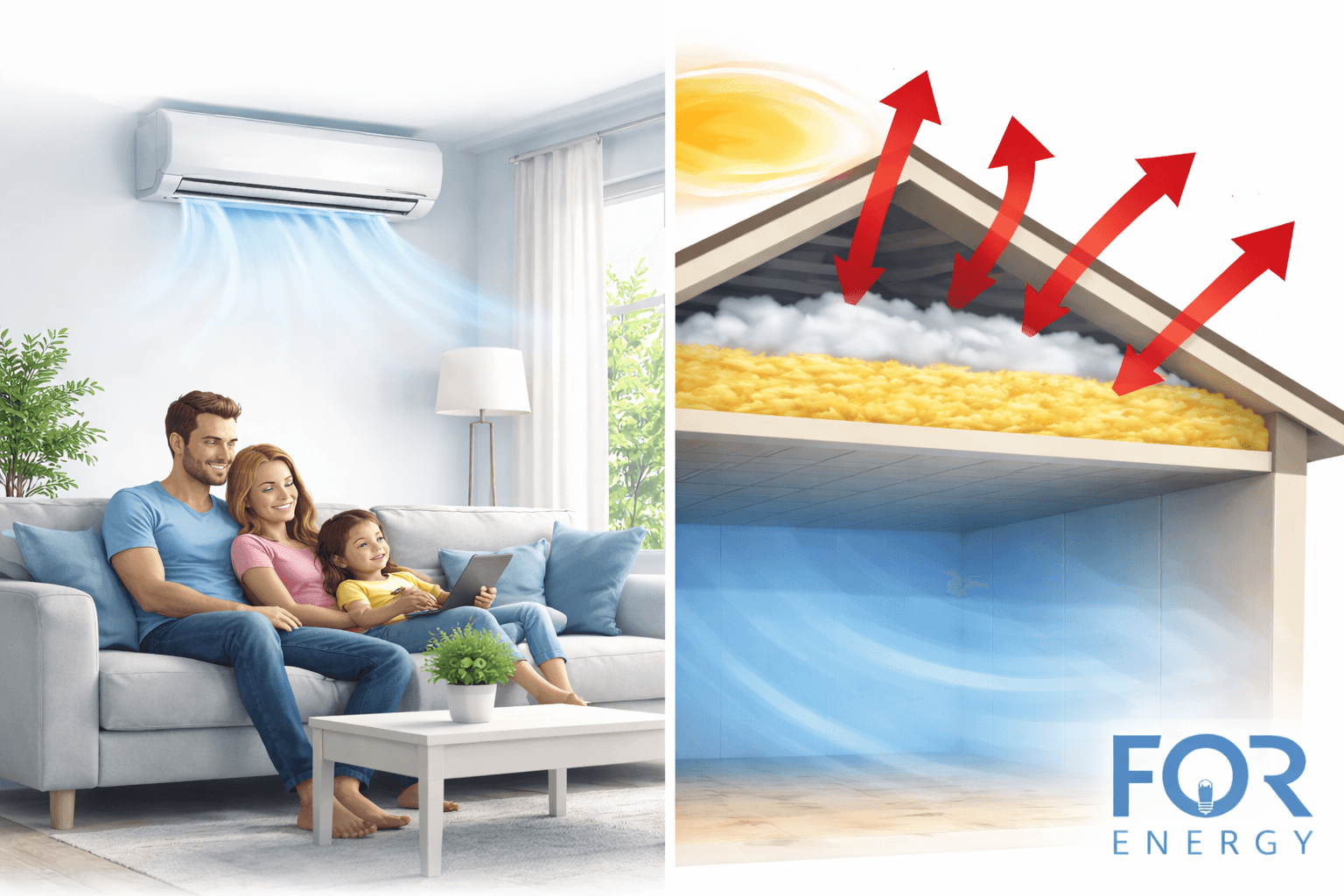
In Phoenix, the relentless summer sun can heat attics to blistering temperatures between 140-180°F. This extreme heat radiates downward, forcing your HVAC system to work overtime just to maintain a comfortable temperature. This is a primary reason where homes lose most of their energy. Proper attic insulation acts as a thermal barrier, resisting this downward heat transfer.
A well-insulated attic is the first line of defense against the harsh desert climate. It significantly reduces the workload on your air conditioner, which directly translates to lower cooling costs and substantial energy savings. A properly insulated home not only keeps you more comfortable but also extends the lifespan of your HVAC equipment by reducing constant strain. Furthermore, by controlling extreme temperature fluctuations, quality insulation can contribute to better indoor air quality and overall home performance. It’s an investment that pays dividends in both comfort and efficiency.
Common Types of Attic Insulation
Navigating the world of attic insulation can feel complex, but understanding the primary materials used in Phoenix homes is the first step. Each type has unique properties, and choosing the right one depends on your home's specific needs and budget. Here’s a brief overview of the most common options.
Blown-In Cellulose Insulation
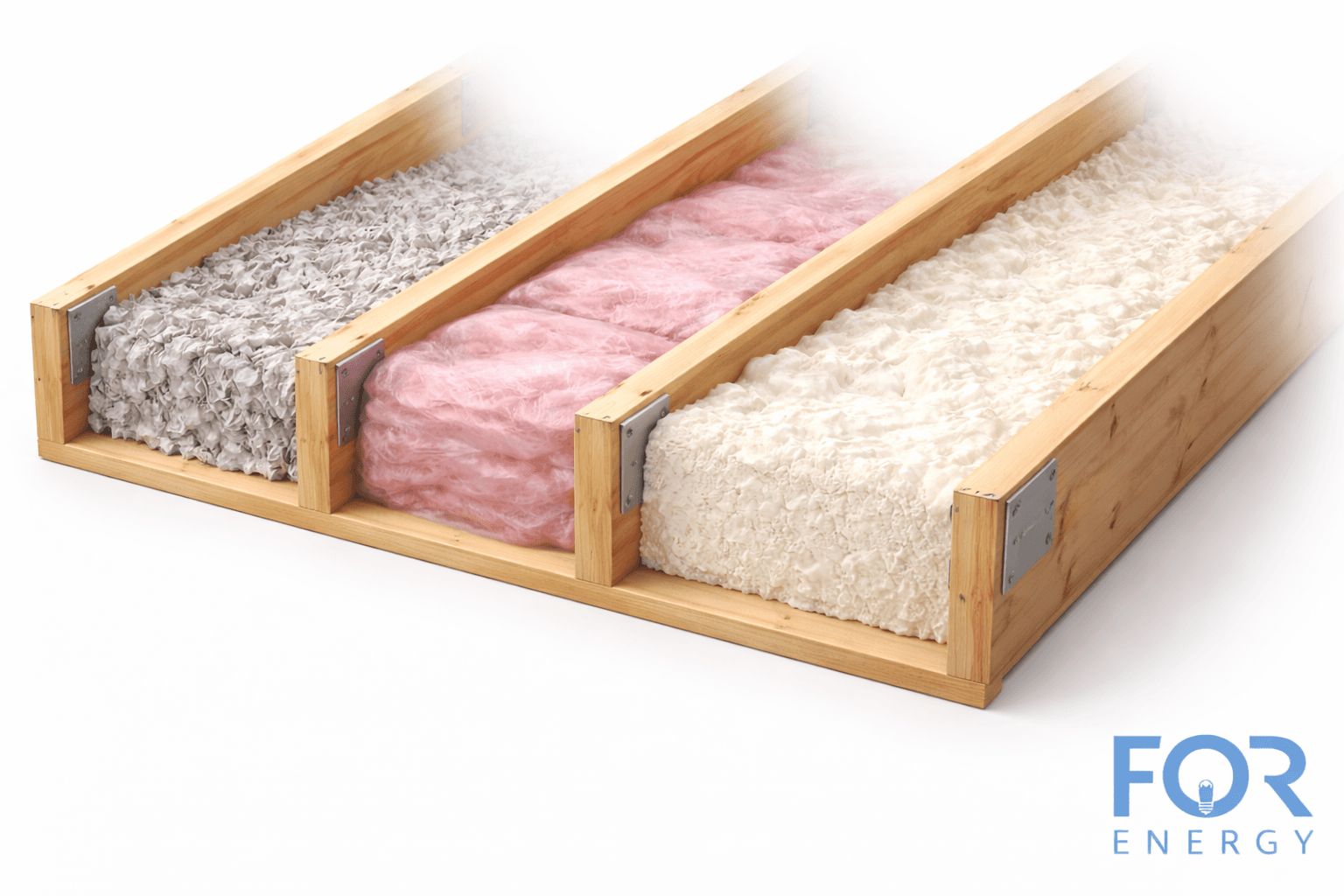
Cellulose insulation is an environmentally friendly choice made primarily from recycled paper products. This material is treated with non-toxic borates to resist fire, mold, and pests. It is installed by blowing the loose-fill material into the attic cavity, allowing it to conform to and fill irregular spaces around framing and wiring. Cellulose typically offers an R-value of 3.2 to 3.8 per inch. While effective at filling gaps, it can settle over time and may generate dust if not paired with thorough air sealing, a critical step to maximize its performance in the demanding Phoenix climate.
Fiberglass Batt Insulation
Fiberglass batt insulation is one of the most traditional forms, consisting of pre-cut blankets made from fine strands of spun glass. It is often seen in new construction, designed to fit snugly between standard joists and wall studs. Fiberglass batts have an R-value ranging from 2.2 to 3.8 per inch. However, their effectiveness in an open attic can be compromised by thermal bridging, gaps around trusses, and other structural elements that allow heat to bypass the insulation. Correct installation is paramount; if the batts are compressed or improperly fitted, their insulating power diminishes significantly. For a deeper dive into how it compares to other materials, our guide on cellulose vs. fiberglass attic insulation in Arizona offers more detail.
Spray Foam Insulation
Spray foam insulation is a modern, high-performance solution applied as a liquid that rapidly expands into a solid foam, filling every crack and crevice. This creates a powerful, continuous barrier that excels at both insulating and air sealing. There are two main types: open-cell and closed-cell. Closed-cell spray foam provides a higher R-value, typically R-6 to R-7 per inch, and acts as a moisture barrier. Its superior ability to stop air leakage makes it one of the most energy-efficient attic insulation choices available.
Which Attic Insulation Performs Best in Hot Climates
When it comes to the extreme heat of Phoenix, not all insulation types perform equally. The best attic insulation for energy savings must excel at stopping both heat transfer and air leakage. While blown-in cellulose and fiberglass can be effective when installed meticulously, spray foam insulation consistently emerges as the top performer.
Spray foam's key advantage is its dual function as both an insulator and an air sealant. It expands to create a monolithic barrier, eliminating the gaps and cracks that allow superheated attic air to infiltrate your living space. This is particularly beneficial for homes with ductwork in the attic, as spray foam can encapsulate the ducts, preventing them from losing conditioned air and stopping hot attic air from entering the system. This comprehensive seal reduces the load on the HVAC system, often allowing for smaller, more efficient units. Its high R-value per inch and longevity in harsh conditions make it the most energy-efficient attic insulation for achieving a cool and comfortable home in Arizona.
Recommended R-Values for Phoenix Attics
"R-value" measures an insulation's ability to resist heat flow; the higher the R-value, the greater its insulating power. For homes in Phoenix, which falls into Climate Zone 2, having a high R-value is essential to fight back against intense solar heat gain. The U.S. Department of Energy recommends an attic R-value between R-30 and R-60 for this region.
For most Phoenix homes, the optimal target to maximize comfort and energy savings is between R-38 and R-49. Unfortunately, a significant number of existing homes, particularly older ones, are under-insulated and fall well below these standards. Achieving the recommended R-value creates a robust thermal barrier that keeps your home cooler in the summer and drastically reduces the energy required to maintain comfort.
When Phoenix Homes Should Upgrade Attic Insulation
How do you know if your insulation isn't cutting it? The signs are often hard to ignore. Persistently high summer energy bills are a major red flag. If your air conditioner seems to run constantly without ever fully cooling the house, poor attic insulation is a likely culprit. Another common indicator is inconsistent indoor temperatures, especially a second story that becomes noticeably hotter than the ground floor.
Visually inspect your attic: if you can see the tops of your ceiling joists, you almost certainly need more insulation. Over time, insulation can settle, become compacted, or suffer damage from moisture or pests, all of which degrade its performance. Upgrading your attic insulation is not just a repair; it’s a powerful investment in your home's performance, comfort, and energy efficiency. According to ENERGY STAR, homeowners can save an average of 15% on heating and cooling costs by air sealing and adding insulation.
Schedule a Phoenix Home Energy Assessment
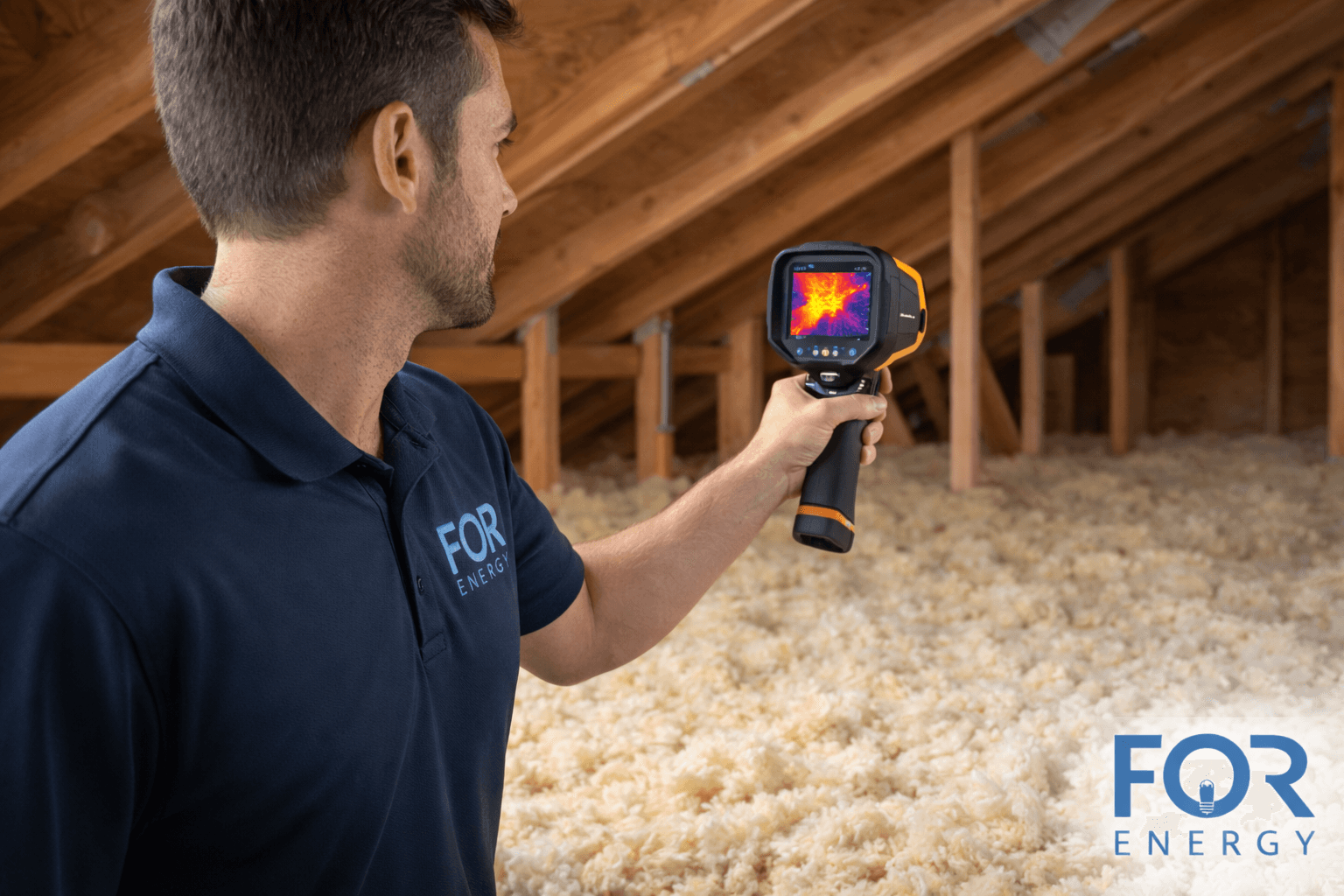
Choosing the right insulation is a critical decision, but it's only one piece of the puzzle. To truly optimize your home's performance, you need to understand the complete picture. A professional assessment can pinpoint the root causes of inefficiency that go beyond just insulation levels. That’s why FOR Energy offers a complimentary 21-point Home Energy Checkup.
Our experts use a data-driven approach aligned with Building Science principles to provide tailored recommendations. We identify issues like air leaks and inefficient ductwork to ensure your insulation upgrade delivers the maximum possible return. This comprehensive evaluation, detailed in our guide to home energy checkups, is the first step toward a more comfortable and energy-efficient home. Don't guess what your home needs, let us show you.
Ready to lower your energy bills and enhance your comfort? Schedule a free consultation with our team today and discover the best attic insulation solution for your Phoenix home.
FAQs
What is the recommended R-value for attic insulation in Phoenix, Arizona?
For Phoenix, which is in Climate Zone 2, the U.S. Department of Energy recommends an attic insulation level between R-30 and R-60. An optimal target R-value is often R-38 to R-49 for maximum energy savings and comfort.
Which type of attic insulation is most effective for energy savings in hot climates like Phoenix?
Spray foam insulation is often considered the most effective for hot climates due to its high R-value per inch and its ability to create an airtight seal, significantly preventing heat transfer and air leaks. Blown-in fiberglass, when combined with proper air sealing, is also a strong performer.
How does proper attic insulation help reduce energy bills in Phoenix homes?
Proper attic insulation creates a thermal barrier that resists heat flow, preventing the intense summer heat from entering your living spaces. This reduces the workload on your air conditioning system, leading to shorter run times, lower energy consumption, and significant savings on utility bills, potentially by 15-50%.
Is air sealing important before installing new attic insulation in Phoenix?
Yes, air sealing is crucial. For insulation types like fiberglass and cellulose to perform to their rated R-values, they must be installed over a sealed surface. Air leaks can significantly reduce insulation's effectiveness by allowing hot air to bypass the insulation, making proper air sealing a vital preparatory step for maximizing energy savings.
What are the signs that my Phoenix home's attic insulation needs to be upgraded or replaced?
Common signs include persistently high energy bills, inconsistent temperatures between rooms or floors, your air conditioner running constantly, and visible indications like settled, damaged, or insufficient existing insulation (e.g., being able to see ceiling joists).