-400x299.png&w=1080&q=75&dpl=dpl_Hi6ZKV3Miso167J9igyQX1ihqdht)
What Tools Do Professionals Use to Detect Energy-Wasting Air Leaks in Phoenix Homes?
Key Takeaways
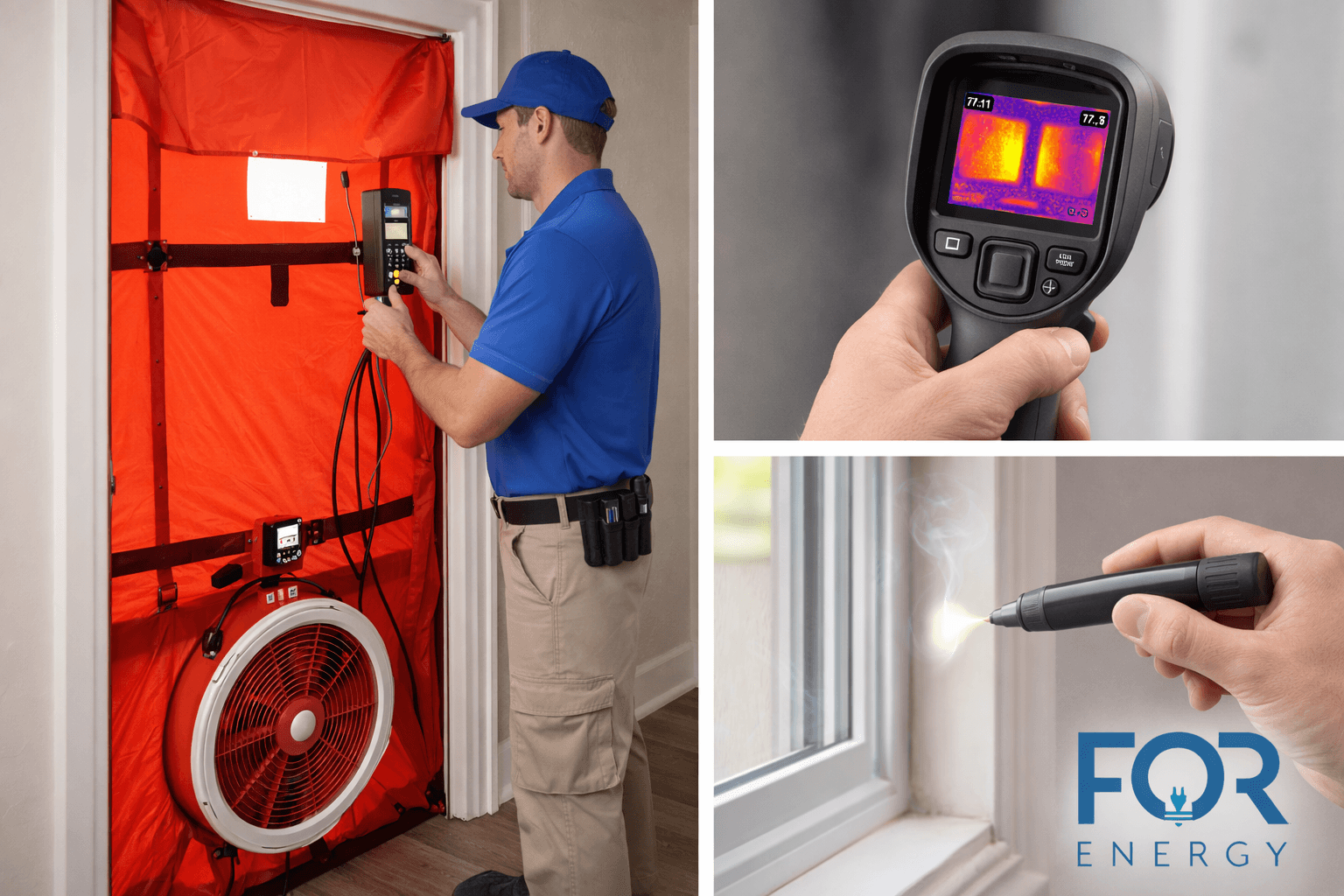
Professional air leak detection uses specialized tools like blower door tests, thermal imaging, and smoke pencils to accurately pinpoint energy waste in homes.
These tools reveal hidden leaks around attics, walls, windows, doors, and ductwork that are invisible to the naked eye.
In Phoenix's extreme heat, identifying and sealing air leaks is crucial to prevent hot desert air infiltration, reduce AC runtime, and significantly lower electricity bills.
Professional assessments offer superior accuracy and comprehensive solutions compared to DIY methods, leading to more effective air sealing and long-term energy savings.
FOR Energy's whole-home approach, rooted in Energy Star standards, provides science-backed diagnostics and tailored solutions for ultimate comfort and efficiency.
The Unseen Threat: Why Air Leaks Matter in Phoenix
In the relentless heat of a Phoenix summer, your air conditioner is more than a luxury; it's a necessity. But what if a silent saboteur was undermining its every effort? Energy-wasting air leaks are a pervasive and often invisible threat to your home’s comfort and your wallet. These small gaps and cracks in your home's exterior shell create countless pathways for superheated desert air to infiltrate your living space.
This constant intrusion of hot air forces your HVAC system to run longer and harder to maintain a cool temperature, leading to a dramatic increase in your electricity bills. It's a battle your AC can't win alone. Because these leaks are often hidden in attics, wall cavities, and around structural joints, they can't be found by a simple visual inspection. This is why professional detection isn't just helpful; it's essential for anyone serious about improving their home’s energy efficiency and resilience against the Arizona heat.
Blower Door Testing: The Gold Standard for Whole-Home Diagnostics
The cornerstone of any professional home energy audit is the blower door test. This powerful diagnostic tool provides a precise, data-driven measurement of your home's overall airtightness. A calibrated, high-powered fan is temporarily mounted into the frame of an exterior door, creating a controlled pressure difference between the inside and outside of your home. This allows professionals to assess the cumulative impact of every single crack and crevice.
By depressurizing the home, the blower door test exaggerates air leaks, making them easier to locate. As the fan pulls air out, higher-pressure outside air is drawn in through any unsealed openings. This process provides a clear, quantifiable picture of your home's air leakage rate, which is the first step toward creating a targeted and effective improvement plan.
How a Blower Door Reveals Hidden Problems
During a blower door test, a technician first prepares the home by closing all exterior windows and doors while leaving interior doors open. This ensures the house acts as a single, contained zone. As the fan depressurizes the interior to a standard 50 Pascals (Pa), the pressure difference between inside and out becomes significant.
With the system running, technicians can then move through the home using other diagnostic tools to pinpoint the exact location of the leaks. Air that was once seeping in subtly now flows in with enough force to be easily detected. This method uncovers hidden problem areas that would otherwise go unnoticed, such as gaps in the attic floor, leaks around plumbing penetrations, and unsealed connections behind walls.
Interpreting Your Home's Air Leakage Rate (CFM50 & ACH50)
The data from a blower door test provides crucial metrics that quantify a home's leakiness. The two most important figures are CFM50 and ACH50.
CFM50 (Cubic Feet per Minute at 50 Pascals): This number tells you the total volume of air, in cubic feet, that moves through the fan per minute to maintain the 50 Pa pressure difference. In simple terms, it's a direct measurement of the total size of all the leaks in your home combined. A higher CFM50 means a leakier home.
ACH50 (Air Changes per Hour at 50 Pascals): This metric provides context to the CFM50 number by relating it to the size of your house. It calculates how many times the entire volume of air inside your home is replaced with outside air in one hour when under the 50 Pa pressure. This allows for a standardized comparison between homes of different sizes and is a key indicator of overall energy efficiency. According to the U.S. Department of Energy, understanding these figures is vital for making targeted, energy-saving improvements.
Thermal Imaging Cameras: Visualizing Invisible Heat Loss
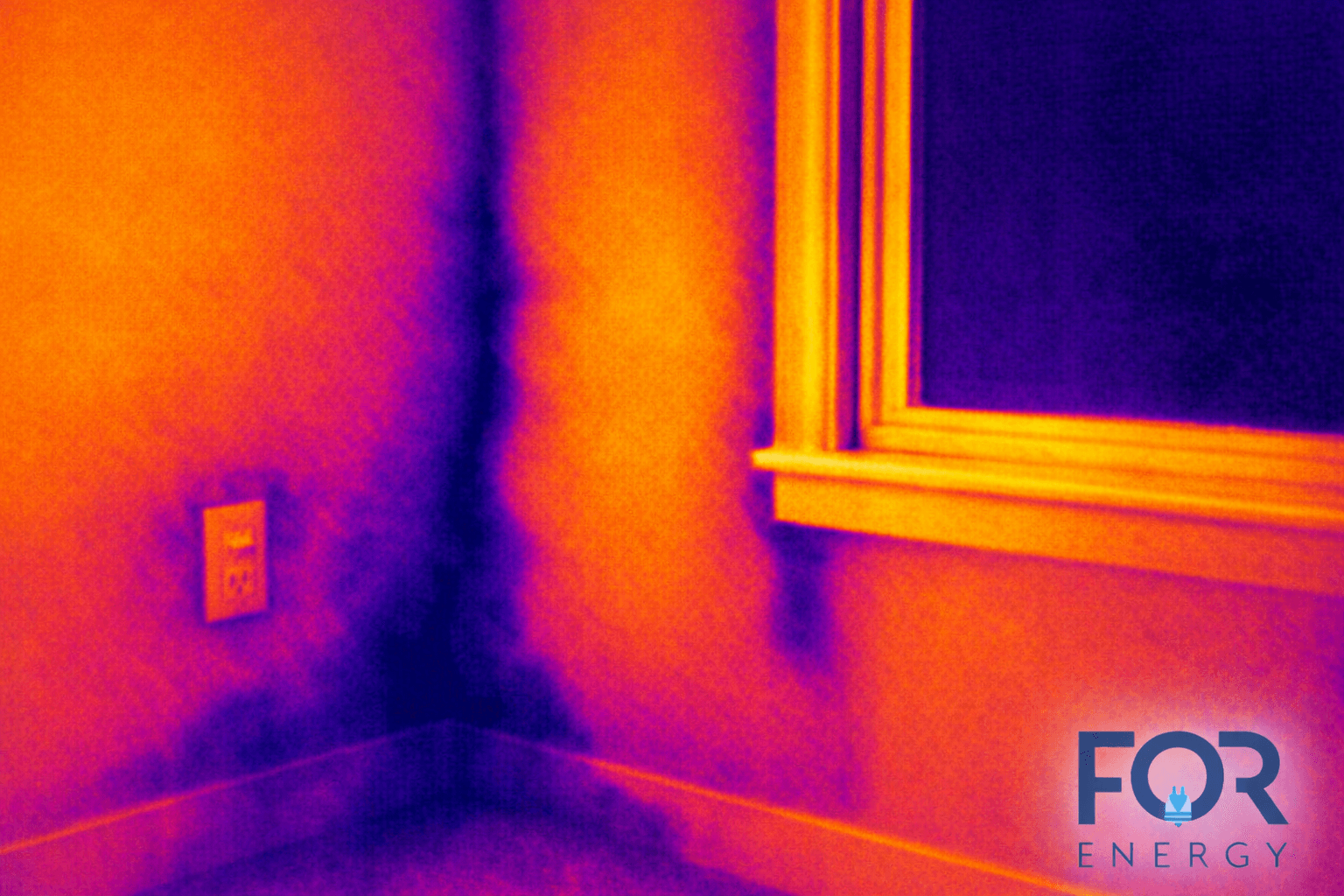
Another indispensable tool in a professional’s arsenal is the thermal imaging camera. Also known as an infrared camera, this device allows technicians to "see" heat, making invisible energy waste visible. The camera detects infrared radiation, the heat energy emitted by objects, and translates it into a color-coded image. This visual representation instantly highlights temperature differences across surfaces, revealing problems that would be impossible to spot with the naked eye.
These cameras don't just find air leaks; they can also identify insulation gaps, moisture intrusion, and even potential electrical hazards. When analyzing a home, a technician can scan walls, ceilings, and floors to create a thermal map that exposes hidden deficiencies. This is why knowing where do homes lose most energy becomes much clearer with this technology.
Thermal Imaging in Arizona's Climate
In the scorching Phoenix climate, the value of thermal imaging is immense. During the summer, the primary concern is heat gain. A thermal scan can vividly illustrate where the blistering outdoor heat is infiltrating your home's building envelope. Hot spots, which appear as red, orange, or white on the camera's display, instantly pinpoint areas with missing insulation or direct air leaks.
Conversely, the camera can also show where your valuable, cool conditioned air is escaping. These areas appear as cooler blue or purple spots. By identifying exactly where these thermal exchanges are happening, professionals can develop a precise and effective air sealing strategy. This visual evidence is powerful, helping homeowners understand the true sources of their discomfort and high energy bills.
Pinpointing Leaks: Smoke Pencils & Pressure Diagnostics
While a blower door test measures whole-home air leakage and thermal imaging visualizes temperature differences, professionals need tools to pinpoint the smallest, most elusive leaks. This is where smoke pencils and pressure diagnostics come into play.
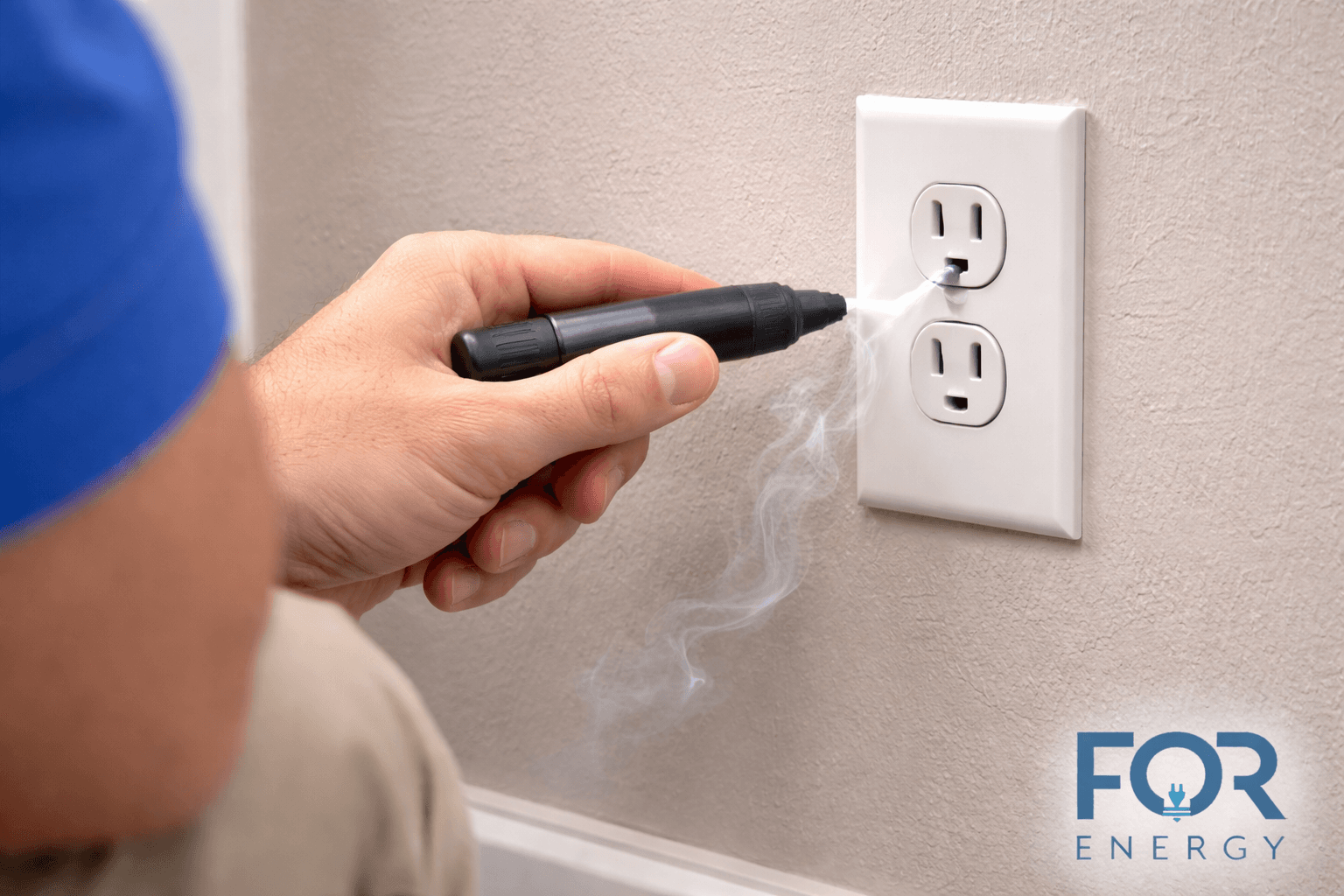
A smoke pencil is a simple yet highly effective device that releases a thin, steady stream of non-toxic vapor. When a house is depressurized by a blower door, a technician can move the smoke pencil along windows, door frames, electrical outlets, and other potential leak points. Any air movement will disturb the vapor, creating a visible trail that leads directly to the source of the leak. It’s a precise way to confirm and visualize the drafts that are contributing to energy loss.
For more complex situations, especially involving ductwork, professionals use pressure diagnostics. This involves using a manometer to measure pressure differences between different areas of the home, such as between a room and the attic, or between the inside of the duct system and the living space. These readings help diagnose issues like leaky ductwork, which is a major source of energy waste. Proper duct sealing is often a critical component of a whole-home efficiency upgrade.
The FOR Energy Difference: Why Professional Detection is Essential in Phoenix
While some homeowners may attempt DIY methods to find leaks, these approaches lack the accuracy and comprehensive nature of a professional assessment. Relying on feeling for drafts or using an incense stick simply can't compare to the quantifiable data from a blower door test or the clear visual evidence from a thermal camera. In the Phoenix metro area, where energy efficiency directly translates to significant cost savings, precision matters.
FOR Energy brings a science-backed, whole-home approach to every evaluation. As experts in building science and followers of strict Energy Star standards, our technicians are trained to use these advanced diagnostic tools to their full potential. We don't just find leaks; we interpret the data to understand how all the systems in your home work together. This holistic perspective, detailed in our guide to maximizing energy efficiency a comprehensive guide to home energy checkups, ensures that our recommendations are not just quick fixes but long-term solutions tailored to your home's unique needs. Our commitment is to identify the root cause of inefficiency, providing you with a clear path to a more comfortable and affordable home.
Beyond Detection: The Path to a More Efficient Phoenix Home
Identifying air leaks with professional tools is the critical first step, but the ultimate goal is creating a more comfortable, healthy, and energy-efficient home. The detailed diagnostic report from a professional assessment provides a roadmap for targeted air sealing. By knowing exactly where to seal, you can ensure that your investment in home improvement delivers maximum results. This is particularly important when considering the proper order of operations, such as completing air sealing before attic insulation to ensure the insulation can perform at its best.
Effective air sealing prevents hot desert air from infiltrating your home, which significantly reduces the strain on your AC unit. This leads to lower electricity bills, more consistent indoor temperatures, and improved indoor air quality by keeping dust and allergens out. By following a few tips for more energy-efficient home living and investing in professional diagnostics, you are taking a definitive step toward lasting comfort and savings.
Ready to uncover the hidden energy leaks in your home? Schedule your Free Home Energy Checkup with FOR Energy today and take the first step towards a more efficient Phoenix home. An expert from the Building Performance Institute can provide a comprehensive evaluation and help you understand the most effective path forward.
FAQs
Q: How does a professional air leak test differ from DIY methods?
A: Professional air leak tests, like blower door tests and thermal imaging, provide a comprehensive, quantifiable assessment of your home's airtightness, pinpointing hidden leaks that DIY methods (like feeling for drafts) often miss and offering a more accurate basis for effective air sealing.
Q: What is a blower door test, and what does it measure?
A: A blower door test uses a powerful fan to depressurize your home, revealing the location of air leaks and measuring how much air infiltrates or escapes. It provides metrics like CFM50 (airflow in cubic feet per minute) and ACH50 (air changes per hour), indicating your home's overall airtightness.
Q: Can thermal imaging detect problems other than air leaks?
A: Yes, thermal imaging cameras are versatile and can detect more than just air leaks. They can also identify areas of insufficient insulation, moisture intrusion, and even electrical hotspots, providing a comprehensive view of a home's energy performance and potential issues.
Q: Why is professional air leak detection especially important for homes in Phoenix, Arizona?
A: In Phoenix's extreme heat, professional air leak detection is vital because it identifies pathways for hot desert air to infiltrate your home, significantly increasing AC runtime and electricity bills. Sealing these leaks is crucial for maintaining indoor comfort and energy efficiency during long cooling seasons.
Q: After detecting air leaks, what's the next step to improve my home's energy efficiency?
A: After professional air leak detection, the next step is typically implementing targeted air sealing solutions to close identified gaps and cracks. This leads to improved insulation effectiveness, reduced energy consumption, lower utility bills, and enhanced indoor comfort and air quality.