-400x299.png&w=1080&q=75&dpl=dpl_Hi6ZKV3Miso167J9igyQX1ihqdht)
Should You Replace Old Attic Insulation for Better Energy Performance in Phoenix?
Key Takeaways
Aging attic insulation loses its effectiveness (R-value) due to factors such as settling, moisture, and pests, which increase heat transfer.
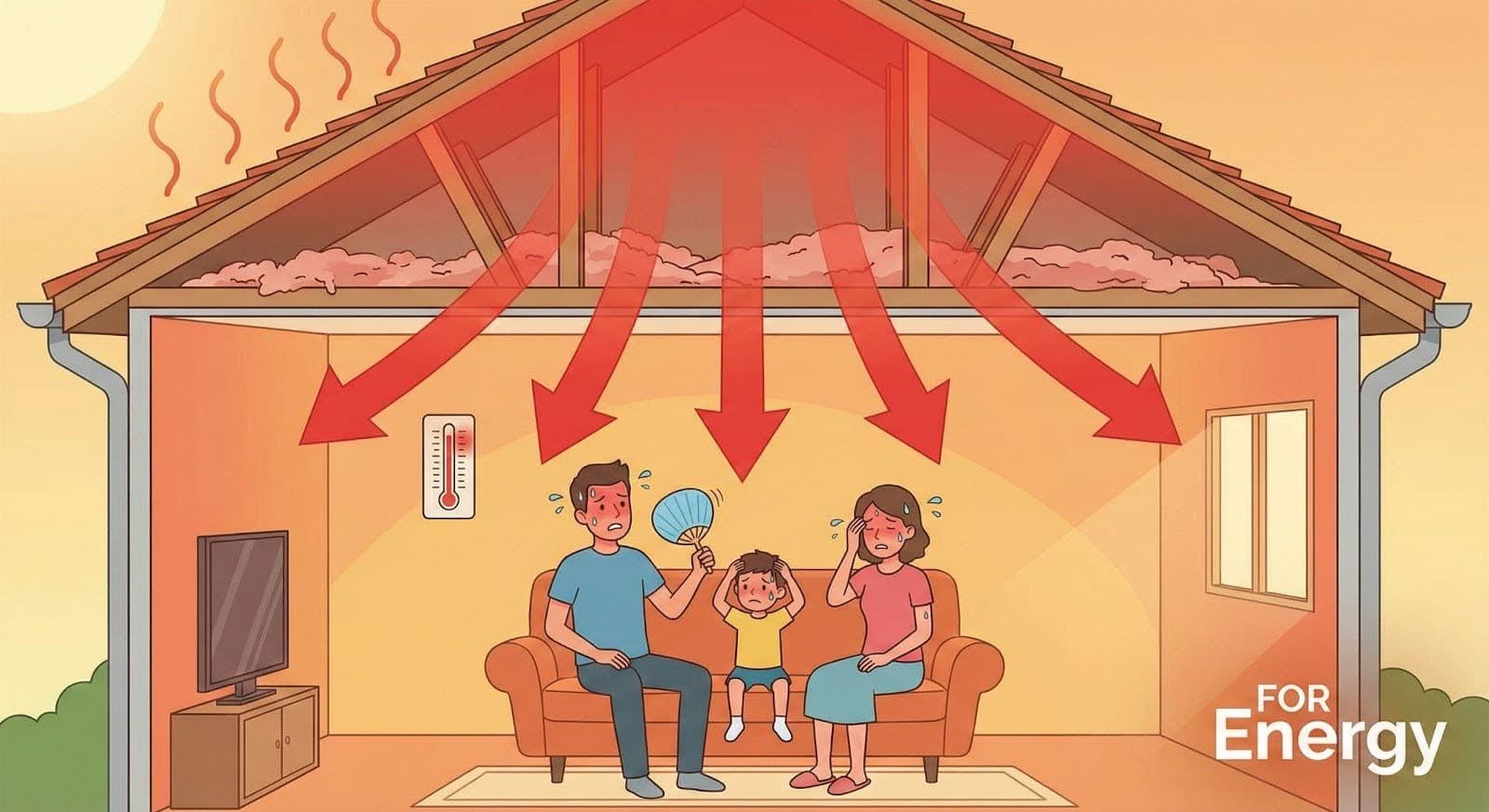
In Phoenix's extreme desert climate, old insulation dramatically increases cooling costs by allowing attics to reach 140-160°F and transfer heat into living spaces.
Replacing outdated insulation with modern, high-performance materials is a key step to improving home comfort and reducing energy bills in the Phoenix metro area.
A professional home energy checkup can identify specific insulation issues and recommend tailored solutions for optimal energy efficiency.
Upgrading attic insulation offers substantial energy savings, faster payback periods, and enhanced HVAC efficiency, particularly in Arizona.
The Silent Energy Drain: How Old Insulation Fails Your Phoenix Home
In the relentless heat of a Phoenix summer, your home’s first line of defense is its attic insulation. However, this crucial barrier doesn't last forever. Over time, even the best insulation can degrade, becoming a silent drain on your home's energy efficiency and your wallet. This process isn't always obvious, but its effects are tangible: a less comfortable home and inexplicably high utility bills.
Understanding why old insulation fails is the first step toward a solution. Several factors contribute to its decline, including natural settling, moisture from hidden leaks, and unwelcome pests. Each of these issues compromises the insulation's ability to resist heat flow, turning your attic from a protective shield into a liability.
R-Value Degradation and Heat Transfer
The effectiveness of insulation is measured by its R-value, which indicates its resistance to heat. A higher R-value means better thermal performance. When insulation is new, it meets a specific R-value designed to keep your home cool. But as it ages, materials like fiberglass and cellulose can compress and settle, reducing their thickness and, consequently, their R-value.
This degradation leads directly to increased heat transfer. As the R-value drops, more intense heat from your roof can pass through the insulation into your living spaces below. Your air conditioner is then forced to work much harder to maintain a comfortable temperature, leading to a noticeable spike in cooling costs and unnecessary strain on the system. The comprehensive attic insulation solutions offered by professionals can address this degradation and restore your home's thermal boundary.
Common Culprits of Insulation Breakdown
Several common problems accelerate the breakdown of attic insulation. It's important for homeowners to be aware of these potential threats:
Settling and Compression: Blown-in insulation, a popular choice for attics, naturally settles over the years. This compaction reduces its depth and overall R-value, leaving your home under-protected.
Moisture Damage: Roof leaks, condensation, or high humidity can saturate insulation, causing it to mat down and lose its fluffy, air-trapping structure. Wet insulation is not only ineffective but can also become a breeding ground for mold and mildew, posing risks to your indoor air quality.
Pest Contamination: Rodents, birds, and insects often find attics ideal nesting sites. They can tear apart insulation, tunnel through it, and contaminate it with droppings and urine. This not only destroys the insulation's integrity but also introduces allergens and pathogens into your home. When contamination is severe, professional insulation removal is necessary before a new, effective system can be installed.
Phoenix Attics: A Battleground Against Extreme Heat
Nowhere is the battle against heat more intense than in a Phoenix attic. During the summer, rooftop temperatures can soar, reaching 140-160°F in the attic. This superheated air acts like a giant radiator, constantly pushing heat down into your home. Without adequate and effective home insulation, your living space is fighting a losing battle.
Old, degraded insulation simply cannot withstand this level of thermal pressure. It allows a significant amount of radiant heat to penetrate your ceiling, forcing your HVAC system to run in overdrive. This is a unique challenge for homeowners in the Phoenix metro area, where the cooling season is long, and the sun is relentless. Protecting your home requires an insulation strategy tailored to this extreme desert climate.
The Costly Impact: High Energy Bills and HVAC Strain
The most direct consequence of failing attic insulation is financial. When your home’s thermal barrier is compromised, your HVAC system has to run longer and more frequently to compensate for the constant heat gain. This translates directly to higher electricity bills month after month. Many Phoenix homeowners are surprised to learn that a significant portion of their cooling costs can be attributed directly to poor attic performance.
Beyond the immediate financial hit, this constant workload places immense strain on your air conditioning unit. The added wear and tear can lead to more frequent breakdowns, costly repairs, and ultimately, a shorter lifespan for the entire system. Investing in proper insulation is not just about comfort; it's about protecting one of your home's most expensive and essential appliances. Efficient insulation works hand in hand with services like duct sealing to create a truly energy-efficient home environment. For those looking for immediate impact, there are many ways to improve your home's energy efficiency on a tight budget, and assessing your insulation is a great place to start.
Clear Signs It's Time for an Attic Insulation Upgrade
How can you tell if your old insulation is no longer doing its job? Some signs are obvious, while others are more subtle. Paying attention to your home's behavior and your energy bills can provide clear clues that an upgrade is needed.
Look for these common indicators:
Inconsistent Temperatures: Do you have rooms that are always hotter than others, particularly on the upper floor? This is a classic sign of poor insulation and heat transfer.
Sky-High Energy Bills: If your cooling costs seem unreasonably high compared to previous years or to your neighbors', your insulation is a likely suspect.
HVAC Runs Constantly: An air conditioner that never seems to shut off is working overtime to combat heat gain, often due to an inadequate thermal barrier in the attic.
Visible Damage: A quick look into your attic might reveal insulation that is matted down, wet, moldy, or filled with pest debris.
Beyond Obvious Damage: Subtle Indicators
Sometimes, the signs are less direct. A sudden increase in dust throughout your home could be linked to deteriorating insulation materials. Worsening allergy symptoms or a general feeling of stuffiness can also point to poor indoor air quality caused by old, contaminated insulation and insufficient air sealing. These subtle clues are your home's way of telling you that its protective envelope is failing.
The Benefits of New, High-Performance Attic Insulation
Replacing old, ineffective attic insulation is one of the most impactful home improvements you can make, especially in Arizona. The benefits extend far beyond simply lowering your energy bill. A modern, professionally installed insulation system enhances your home's comfort, health, and value.
Upgrading provides improved thermal protection, creating a more consistent and comfortable indoor environment year-round. You'll experience substantial energy savings, with many Arizona homeowners saving 15-30% on their energy bills. This also extends the lifespan of your HVAC system by reducing its daily workload. For optimal results, it is crucial to consider air sealing before attic insulation to prevent conditioned air from escaping.
Recommended R-Values and Materials for Phoenix
For the Phoenix climate, the U.S. Department of Energy and ENERGY STAR recommend an attic R-value between R-30 and R-60. Achieving this target is critical for effective thermal resistance against extreme desert heat. Several modern materials are well-suited for this environment:
Blown-In Cellulose or Fiberglass: These materials are excellent for filling irregular spaces and creating a thick, seamless blanket of protection. They are cost-effective and perform exceptionally well in our climate.
Spray Foam: While a premium option, closed-cell spray foam offers a superior R-value per inch and creates an airtight seal, providing both insulation and air sealing in a single step.
Taking the Next Step: Your Free Home Energy Checkup
If you suspect your old attic insulation is underperforming, the best course of action is to have a professional assess it. Guesswork can lead to incomplete solutions that don't address the problem's root cause.
We encourage you to take the next step by scheduling a complimentary, no-obligation home energy checkup. This science-backed diagnosis will identify the specific energy performance issues in your home, from insulation deficiencies to air leaks. A comprehensive home energy audit provides a complete picture of your home's efficiency. Understanding the data from this assessment is key to maximizing energy efficiency. Don't wait for another sweltering summer to take its toll on your comfort and your budget.
CTA: Schedule your Free Home Energy Checkup
FAQs
Q1: How does old attic insulation specifically impact energy bills in Phoenix, Arizona?
A1: In Phoenix's extreme heat, old attic insulation struggles to prevent intense attic temperatures (often 140-160°F) from radiating into living spaces, forcing air conditioning systems to work harder and longer, directly increasing electricity bills and reducing overall HVAC efficiency.
Q2: What are the key signs that my attic insulation needs to be replaced rather than just supplemented?
A2: Key signs for replacement include visible moisture damage (mold/mildew), pest contamination (droppings, nesting), significant compression or settling that reduces R-value, a history of unseasonably high energy bills despite HVAC maintenance, or if the insulation material is very old and potentially contains hazardous substances.
Q3: What R-value is recommended for attic insulation in the Phoenix metro area?
A3: For attics in the Phoenix metro area (Climate Zone 2), the U.S. Department of Energy (DOE) and ENERGY STAR recommend an R-value between R-30 and R-60, with R-38 to R-49 often cited as a common target for existing homes.
Q4: Can replacing attic insulation also improve my home's indoor air quality?
A4: Yes, replacing old, contaminated attic insulation can significantly improve indoor air quality. Old insulation can harbor mold, mildew, dust, and pest allergens. Removing it and installing new, clean insulation helps create a better thermal barrier and can reduce the circulation of these airborne contaminants.
Q5: What are the typical energy savings homeowners can expect after replacing old attic insulation in Arizona?
A5: Arizona homeowners who upgrade their insulation and air sealing can typically save 15-30% on their energy bills. For Phoenix residents, this can translate to annual savings of $369-$738 or even a 30-50% reduction in cooling costs, leading to $600-$1,200+ annually, with payback periods often ranging from 2.5 to 6 years.