-400x299.png&w=1080&q=75&dpl=dpl_Hi6ZKV3Miso167J9igyQX1ihqdht)
How Insulation Prevents Heat Loss and Lowers Utility Bills in Phoenix Homes
Key Takeaways
Insulation creates a critical thermal barrier that slows heat transfer through conduction, convection, and radiation, keeping conditioned air inside your home year-round.
A higher R-value indicates superior thermal resistance, which is essential for effective insulation, particularly in the extreme temperatures of the Phoenix metro area.
Proper insulation significantly reduces the workload on your HVAC system, leading to lower energy consumption, decreased utility bills, and an extended lifespan for your heating and cooling equipment.
Strategic insulation in key areas like attics, walls, and floors, especially when combined with energy-efficient windows, provides maximum energy savings and stabilizes indoor temperatures in the desert climate.
The Science of Keeping Your Home Comfortable
To appreciate how insulation works, it’s helpful to understand how heat moves. Heat naturally flows from warmer areas to cooler ones, and in the Phoenix metro area, that means the intense desert heat is always trying to get into your cool, air-conditioned home. This movement happens in three primary ways, and insulation is designed to act as a barrier to all of them.
Understanding Conduction, Convection, and Radiation
Think of these three heat transfer methods as different ways unwanted heat can invade your home.
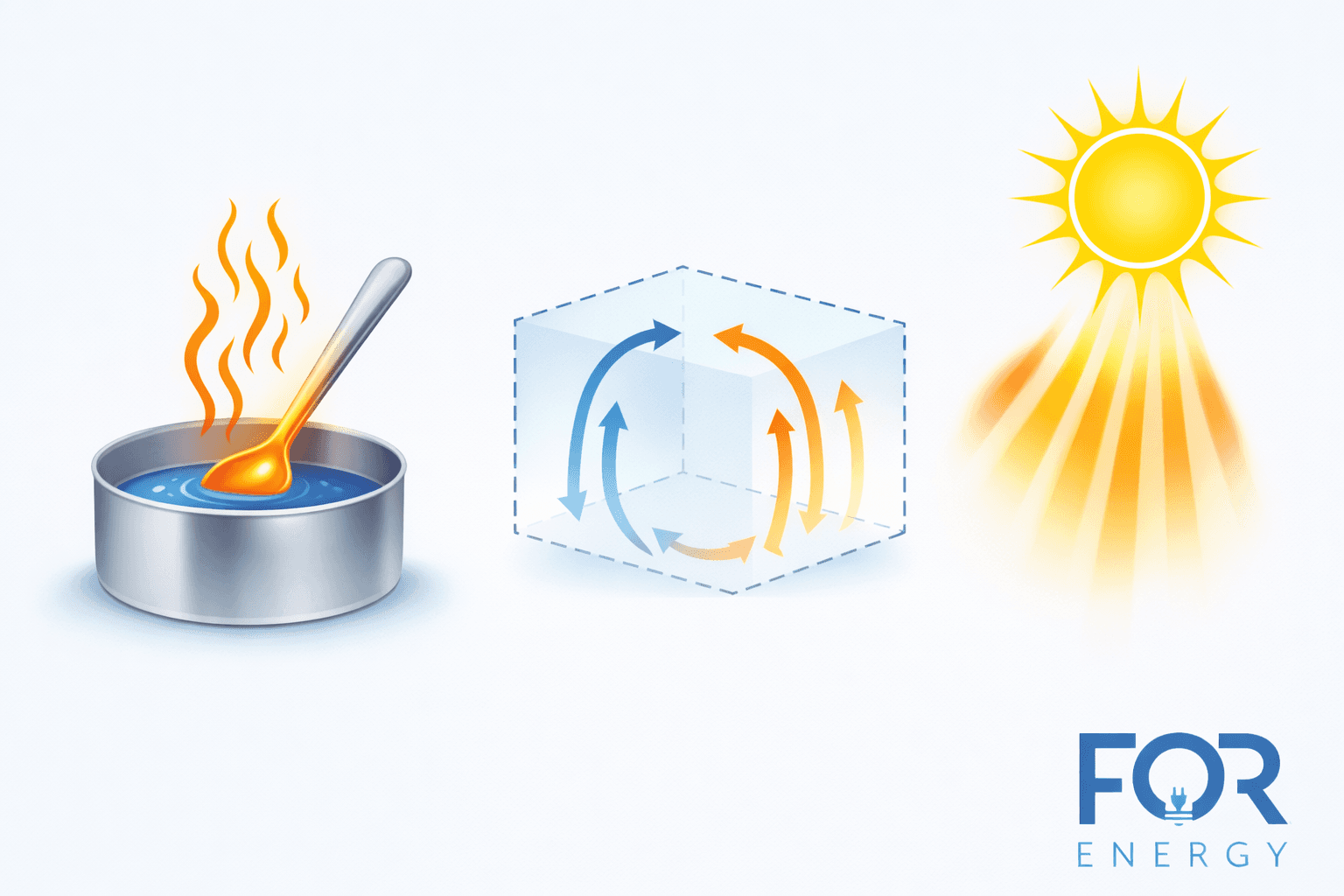
Conduction is heat transfer through direct contact. It’s why the handle of a metal spoon gets hot when you leave it in a cup of coffee. In your home, conduction happens when heat moves through solid materials, like the studs in your walls or your window panes.
Convection is heat transfer through the movement of fluids, including air. This is why hot air rises and cooler, denser air sinks. Uncontrolled airflow and drafts in your home are a form of convection, carrying hot air into places you’ve paid to keep cool.
Radiation is heat that travels in a straight line and warms anything solid that absorbs its energy. You feel radiant heat when you stand in direct sunlight. The sun beats down on your roof, and that heat radiates through your ceiling into your living space.
How Insulation Creates a Thermal Barrier
Insulation is not about stopping heat transfer entirely but about significantly slowing it down. Most common insulation materials work by trapping countless tiny air pockets. This trapped air is a poor conductor of heat, effectively minimizing both conduction and convection. Materials like cellulose and fiberglass act like a thick blanket, resisting the flow of heat.
Other types, known as radiant barriers, have reflective surfaces that work to reduce radiant heat gain, which is especially important in sunny climates. By creating this robust thermal barrier, insulation keeps the conditioned air you paid for inside and the extreme Phoenix heat outside, leading to more stable indoor temperatures and greater home comfort.
R-Value Explained: Your Insulation's Resistance Power
When discussing insulation, you'll frequently hear the term "R-value." An insulation material's R-value measures its capacity to resist heat flow, in other words, its thermal resistance. The higher the R-value, the more effective the insulation is at its job. This value is determined by the insulation's type, thickness, and density. According to the U.S. Department of Energy, adding more insulation to your home increases the total R-value and enhances its resistance to heat flow.
Why R-Value Matters in the Phoenix Climate
In a climate with extreme temperatures like Phoenix, having the right R-value is not just a recommendation; it's essential for energy efficiency. During our long, scorching summers, insulation with a high R-value is your primary defense against radiant heat baking your attic and conductive heat moving through your walls. It ensures your home can effectively block this intense heat gain.
Conversely, during our cooler desert nights in winter, that same high R-value insulation works to keep the warmth generated by your heating system inside. This year-round performance reduces the strain on your HVAC system, preventing it from running constantly to maintain a comfortable temperature. This directly translates to lower energy usage and more manageable utility bills.
Key Areas for Insulation in Phoenix Homes
To create an effective thermal envelope, insulation must be installed in the right places. For Phoenix homeowners, several areas are critical battlegrounds in the fight against heat transfer. Understanding these weak points is the first step toward a whole-home solution. Many of these locations are detailed in guides that explain where homes lose the most energy.
The most critical areas for proper home insulation in our climate include:
Attics: The attic is arguably the most important area to insulate in a Phoenix home. Exposed directly to the sun, an attic can reach incredibly high temperatures, radiating massive amounts of heat down into your living spaces. Proper attic insulation is the single most effective way to combat this.
Walls: Exterior walls are another significant source of heat gain. Insulation within wall cavities slows the conductive transfer of heat from the sun-baked exterior siding into your home's interior.
Floors: Floors, especially those over unconditioned spaces like garages or crawlspaces, can also contribute to energy loss. Insulating them helps create a complete thermal barrier at the lowest level of your home.
The Direct Link: Insulation, HVAC, and Lower Utility Bills
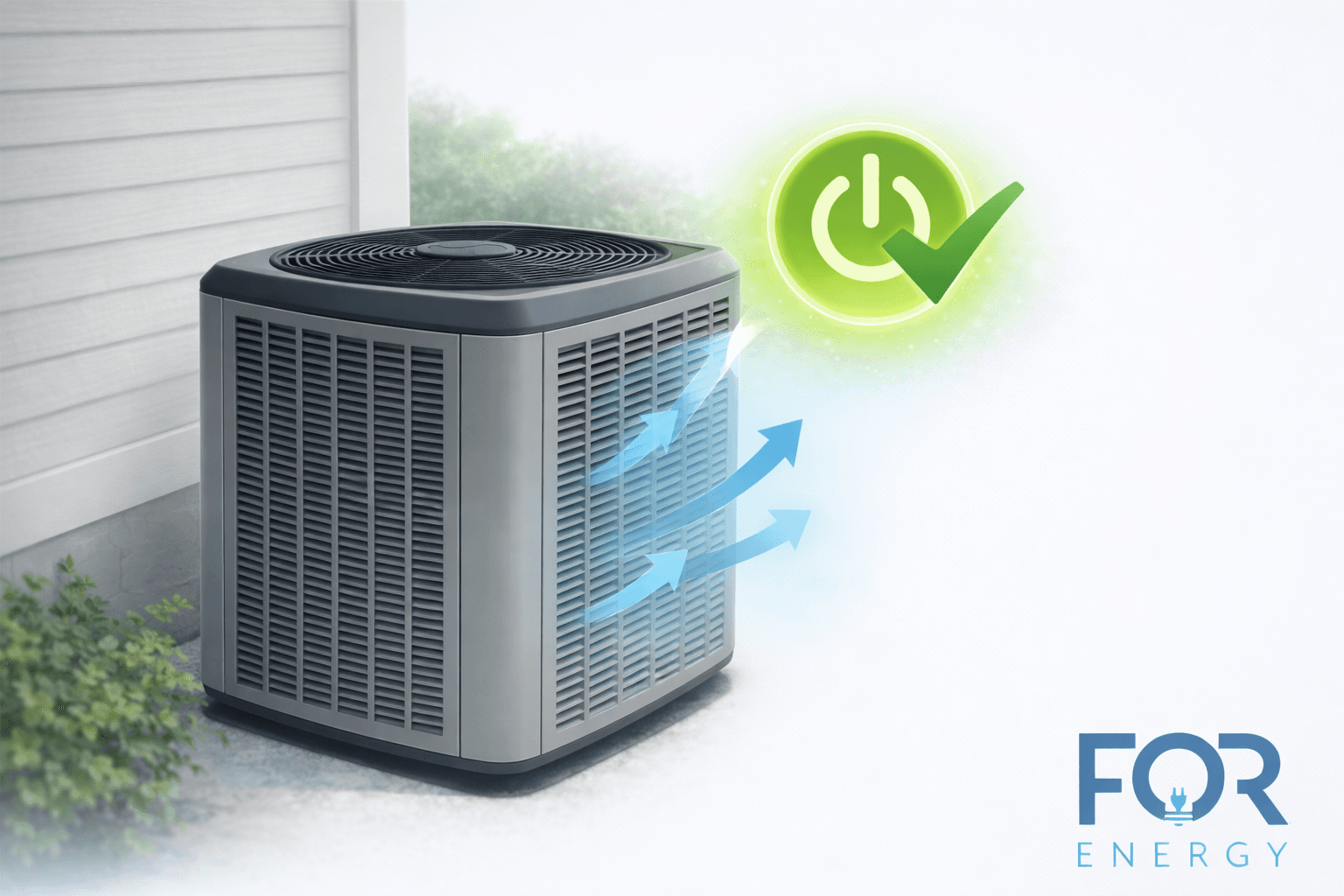
The connection between insulation and your utility bills is simple and direct: proper insulation reduces the workload on your HVAC system. When your home has a strong thermal barrier, it holds its temperature for much longer. This means your air conditioner doesn't have to cycle on as frequently or run as long to keep you cool during a summer heatwave.
This reduced runtime has several powerful benefits:
Lower Energy Consumption: Since heating and cooling can account for nearly half of a home's energy use, any reduction in HVAC operation leads to significant energy savings.
Decreased Utility Bills: Lower energy consumption directly translates into smaller electricity bills each month, a welcome relief for Phoenix homeowners.
Extended Equipment Lifespan: An HVAC system that isn't constantly overworked experiences less wear and tear. This can lead to fewer repairs and a longer operational life for one of your home's most expensive appliances.
According to ENERGY STAR, sealing air leaks and adding insulation are among the most cost-effective ways to improve your home's energy efficiency and comfort. When combined with other measures like duct sealing, the impact is even greater, ensuring the cool air your system produces gets where it needs to go without waste.
A Combined Approach: Insulation and Energy-Efficient Windows
While insulation is a powerhouse for energy efficiency, it works best as part of a complete system. Think of insulation as the "skin" of your home, protecting the vast surfaces of your walls and attic. However, your home also has "eyes", the windows. To achieve maximum home performance, both need to be optimized. This is where energy-efficient windows come in, working in tandem with your insulation.
How Windows and Insulation Work Together
Insulation and modern windows address heat transfer in complementary ways to create a formidable thermal envelope. Insulation excels at slowing conductive and convective heat flow through opaque surfaces. Meanwhile, high-performance windows are engineered with advanced coatings and multiple panes to block solar radiation and reduce thermal transfer through the glass.
You can learn more about the specifics of how energy-efficient windows work, but the result is a synergistic effect. The insulation protects the walls and ceiling, while the windows protect the glass openings. Together, they minimize heat infiltration from every angle, keeping your home consistently comfortable and dramatically reducing the energy needed to maintain that comfort.

Empower Your Phoenix Home: Schedule a Free Energy Checkup
Understanding how insulation prevents heat loss is the first step toward lowering your utility bills and creating a more comfortable living environment. For homeowners in the Phoenix metro area, a well-insulated home isn't a luxury; it's a necessity. By addressing key areas of heat gain and ensuring your home has a complete thermal envelope, you can take control of your energy consumption.
The best way to identify your home's specific needs is with a professional assessment. A comprehensive home energy audit provides a science-backed roadmap to improving your home's performance. According to the Department of Energy, a professional assessment can pinpoint exact areas of energy loss that a simple walkthrough might miss.
At FOR Energy, we provide a complimentary 21-Point Home Energy Checkup to give you the clarity you need. We'll help you understand where your home is losing energy and which solutions will deliver the most significant impact. You can learn more about the process by reading our comprehensive guide to home energy checkups. Take the next step toward a more efficient and comfortable home. Schedule your Free Home Energy Checkup today and discover the difference a whole-home solution can make.
FAQs
Q1: How does insulation specifically help homes in the extreme Phoenix heat?
A1: In Phoenix, insulation acts as a critical thermal barrier, slowing the transfer of intense outdoor heat into your home and keeping your conditioned air inside. This significantly reduces your AC's workload and helps maintain cooler, more stable indoor temperatures during long summer cooling seasons.
Q2: Can improving my home's insulation truly lower my electricity bill in Arizona?
A2: Yes, absolutely. By effectively reducing heat transfer, insulation lessens the demand on your air conditioning system, meaning it runs less frequently and more efficiently. This directly translates into noticeable savings on your monthly electricity bills, especially when cooling costs are highest in Phoenix.
Q3: What is R-value, and why is it important for insulation in the Phoenix area?
A3: R-value measures an insulation material's ability to resist heat flow; the higher the R-value, the better the insulation's performance. In Phoenix, a sufficient R-value is crucial because it indicates how well insulation can block extreme heat from entering your home and retain any indoor warmth during cooler periods, ensuring consistent comfort.
Q4: How do insulation and energy-efficient windows work together for maximum savings?
A4: Insulation and energy-efficient windows create a comprehensive thermal envelope for your home. While insulation addresses heat transfer through opaque surfaces like walls and attics, energy-efficient windows minimize heat gain or loss through glass. Together, they form a highly effective barrier that dramatically reduces energy waste and stabilizes indoor temperatures in the Phoenix climate.
Q5: What are the most important areas to insulate in a Phoenix home?
A5: The most critical areas to insulate in a Phoenix home are the attic, walls, and floors. Since heat rises and attics can reach extreme temperatures in the desert, attic insulation is paramount. Properly insulating these areas creates a complete thermal boundary, preventing significant heat entry and escape.